El Nido Diving: Dive Sites, Marine Life And Seasons
The reefs, walls and swim-through tunnel of the Bacuit Archipelago, what you will really see underwater, and how to choose between snorkelling, Discover Scuba and certified dives.
Separate a beginner dive from certified-site ambitions; the right booking depends on experience, age and preparation. Compare Your El Nido Options Below.
El Nido gets sold on lagoons and postcard beaches, so its diving flies a little under the radar. That is a mistake for anyone who has ever put their face in the water and wanted more. The Bacuit Archipelago hides healthy reefs, a couple of proper walls, a limestone swim-through tunnel and enough macro life to keep a photographer busy for days, all within a short boat ride of town.
- Beginner Discover Scuba is about seven hours, plus required advance orientation.
- The selected dive product is age 10+, with medical restrictions and non-refundable terms.
- Snorkelling remains a separate surface option.
This is an honest look at what diving here is really like: the sites worth knowing, what you will and will not see, whether to dive or just snorkel, how the seasons change the water, and how to pick a shop you can trust. No hype about mantas that rarely show. Just what the reefs off El Nido actually deliver.
The water is warm all year, usually somewhere around 28 to 30 degrees, so a thin wetsuit or even a rash guard is often enough. That comfort is a big part of why El Nido suits beginners and casual divers so well. There is no cold-water discomfort to fight, just clear, mild sea and reefs that start shallow and stay interesting.
Is El Nido A Good Place To Dive?
El Nido is a genuinely good, easy-going dive destination rather than a big-animal hotspot. The Bacuit Archipelago has healthy reefs, gentle walls, a swim-through tunnel and reliable macro life, all a short boat ride from town. You come for coral, turtles and calm conditions, not for guaranteed sharks or manta rays.
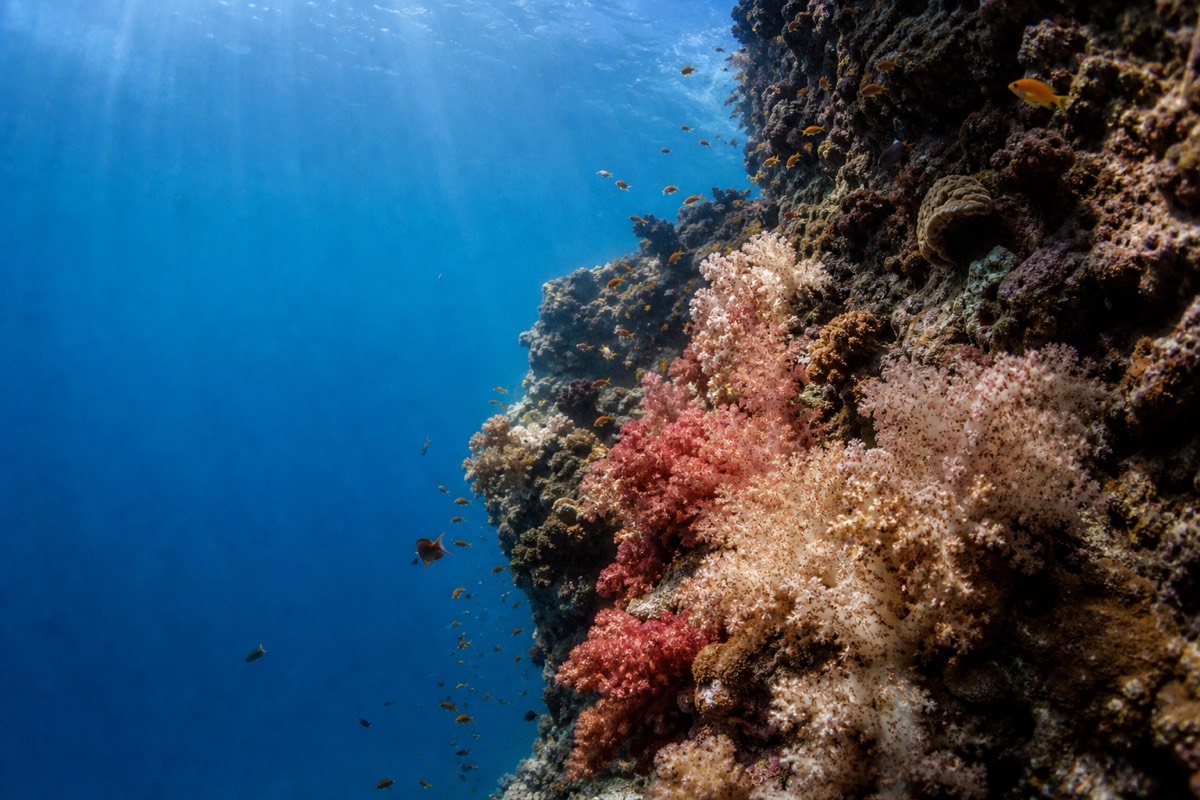
Set your expectations correctly and El Nido rarely disappoints. The water is warm year round, most sites sit at friendly recreational depths, and the currents at the popular spots are usually mild. That combination makes it a fine place to learn, to log easy dives between island-hopping days, or to hunt tiny critters on the macro sites. What it is not is a pelagic arena. If big pelagic encounters are your priority, research destinations and current operator reports for that specific experience; neither this reef introduction nor a Coron wreck dive guarantees them.
Because the same reefs feed the snorkelling on the boat tours, divers and non-divers can share a trip happily. The archipelago rewards curiosity at every depth.
It also helps that the dive sites sit inside the same sheltered bay as the island-hopping routes, so the boat rides are short and the sea is usually calm. You spend your time diving, not enduring long, rough transits to reach the good water, which is a bigger comfort factor than it sounds when you are new to boats and tanks.
What Are The Best Dive Sites In The Bacuit Archipelago?
The three sites divers rate most are South Miniloc, the Dilumacad Tunnel and Nat Nat. South Miniloc is the dependable, colourful reef, Dilumacad is a 35-metre limestone swim-through for certified divers, and Nat Nat is the macro site for seahorses and nudibranchs. Most shops rotate between them depending on conditions.
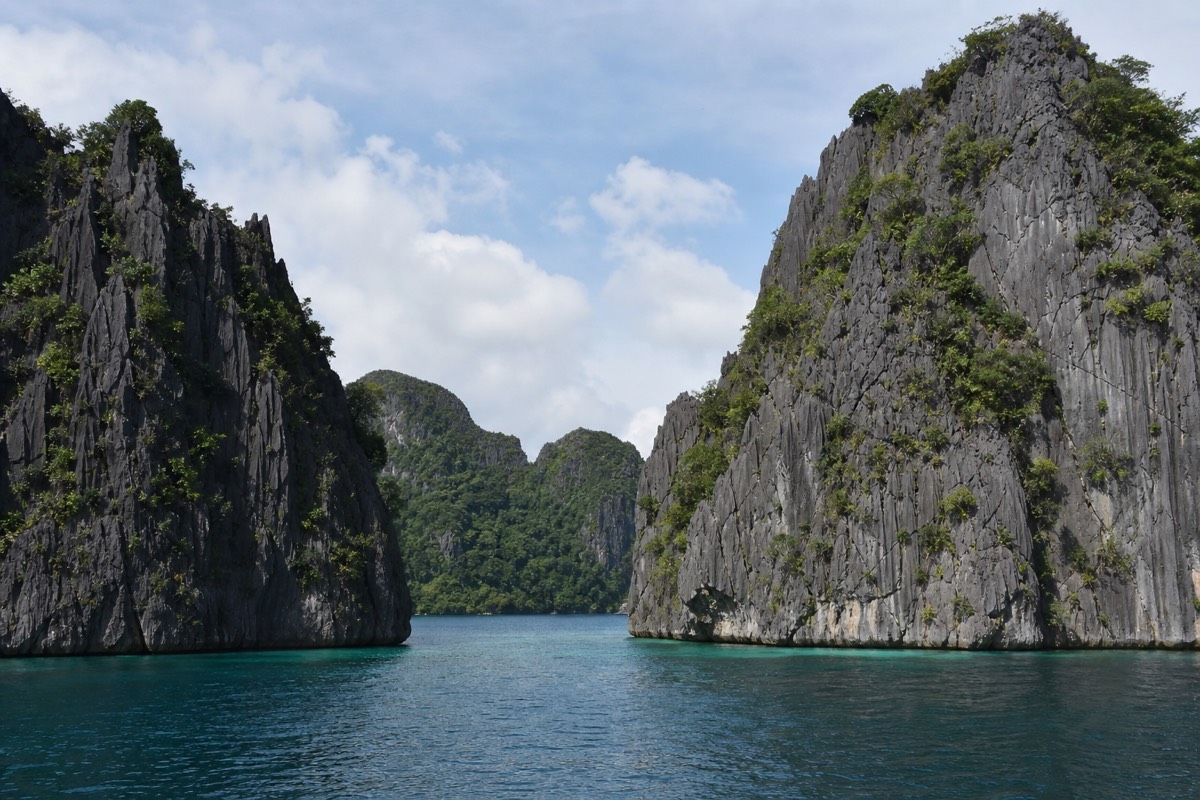
South Miniloc, sometimes called Biet Point, sits between Miniloc and Shimizu islands, where a gentle current between the two feeds a bright, busy reef. Visibility outside the monsoon months is usually good, roughly 10 to 25 metres, and the mild conditions make it a dependable pick for mixed-ability groups and for photographers. Dilumacad Tunnel, off Helicopter Island, is the standout for experienced divers: a rocky entrance at around 12 to 15 metres leads into a 35-metre tunnel through the limestone, where beams of light catch clouds of glassfish before you exit on the far side. Nat Nat is the quiet macro site, the place to slow down and find seahorses, nudibranchs and other small stuff.
| Dive site | Type and depth | Level | What you see |
|---|---|---|---|
| South Miniloc (Biet Point) | reef, gentle, shallow to mid | all levels | coral, reef fish, easy conditions |
| Dilumacad Tunnel | swim-through, entry 12 to 15 m | certified, some experience | 35 m tunnel, glassfish, light beams |
| Nat Nat | macro reef, shallow | all levels | seahorses, nudibranchs, small critters |
Helicopter Island doubles as a snorkel and beach stop on Tour C, so the reefs there are familiar to island-hoppers. For the wider run of stops that skim the same waters, our guide to the classic island-hopping tours shows how the boat routes and the dive sites overlap.
Those three are the headliners, but they are not the whole map. Shops also run gentle wall dives around the archipelago, where the reef drops away and you drift along a vertical face watching the life change with depth, and there are quieter reef patches that rarely see another boat. Because the sites sit close together in the sheltered bay, a typical dive day means short hops between two or three of them rather than long crossings, which leaves more time in the water and less time bouncing over swell.
What Marine Life Will You Actually See?
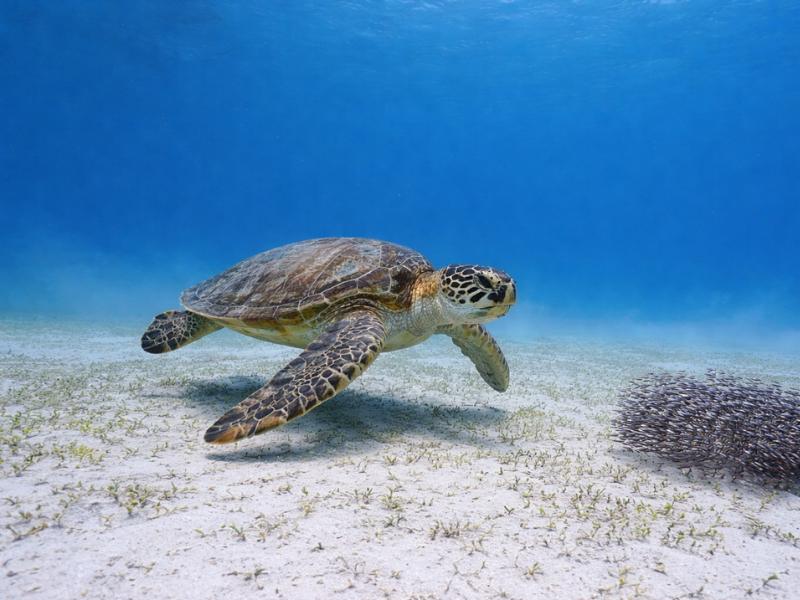
Expect clouds of reef fish, healthy hard and soft coral, and a strong chance of green and hawksbill turtles. Macro divers find seahorses, nudibranchs, frogfish and ghost pipefish. Reef sharks turn up now and then, usually small blacktips or whitetips. Big pelagics are the exception here, not the rule.
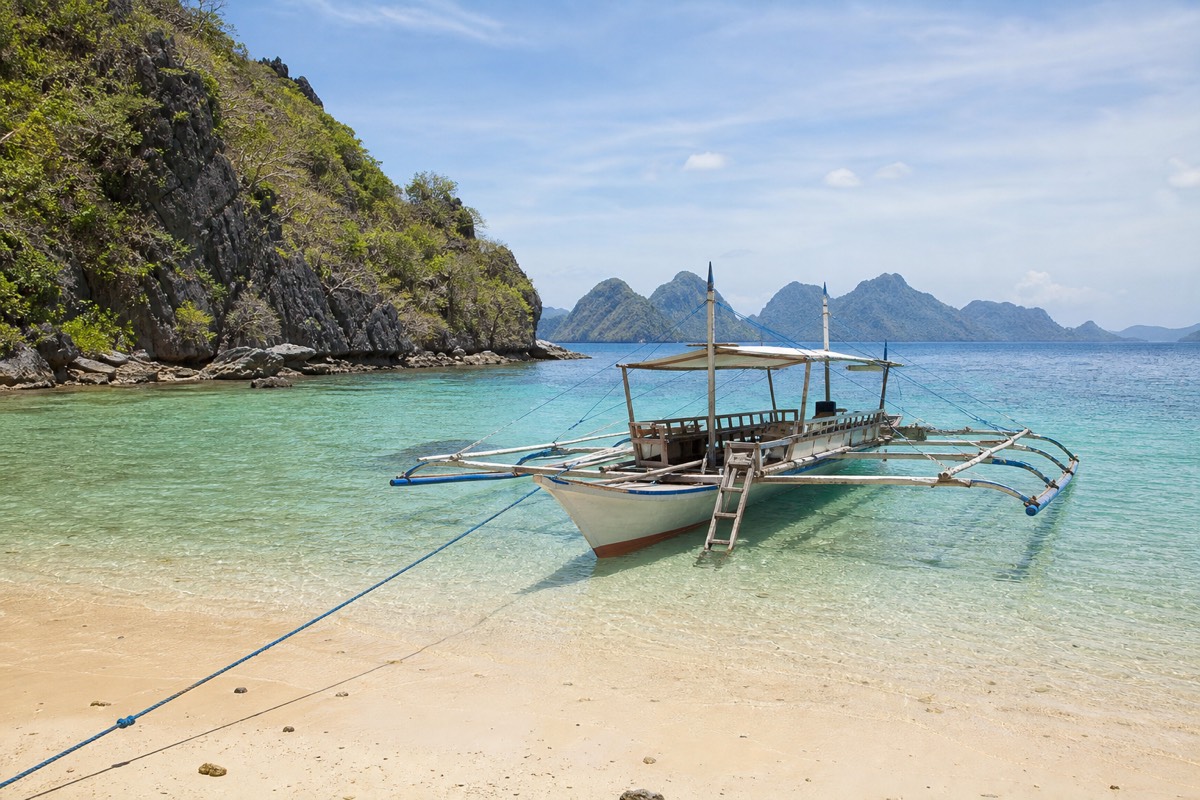
Turtles are the reliable crowd-pleaser, grazing on the reefs and often unbothered by divers who keep a respectful distance. The macro life is the quiet strength of El Nido: patient divers and photographers do very well on the smaller sites, where a single square metre of reef can hold more than you expect. Reef sharks are an occasional treat rather than a promise, and they tend to be the smaller, harmless species. Anything bigger, a passing ray or a lucky pelagic sighting, is a bonus you cannot plan a trip around.
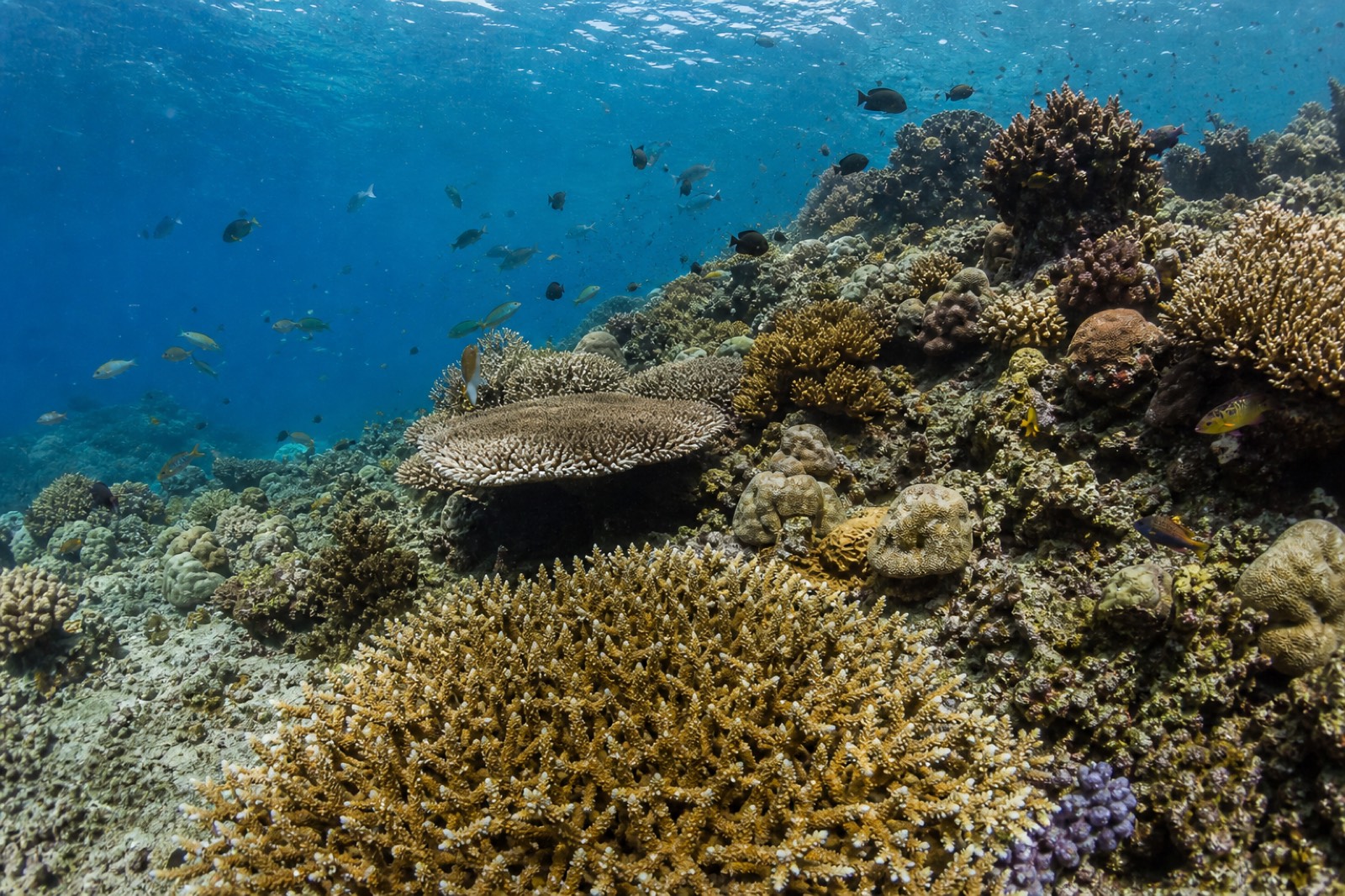
The coral itself is the quiet star. Healthy hard and soft coral covers the better sites, and it is the coral that supports everything else, from the reef fish to the tiny critters the macro divers hunt for. That is also why the responsible-diving habits later in this guide matter so much. The reef here is in good shape, and keeping it that way is what protects the whole experience for the next boat that arrives.
| Marine life | How likely | Where |
|---|---|---|
| Reef fish and coral | every dive | all sites |
| Sea turtles | common | reefs across the bay |
| Macro (seahorses, nudibranchs) | reliable if you look | Nat Nat and quiet reefs |
| Reef sharks | occasional | deeper reef edges |
| Big pelagics (rays, larger sharks) | rare, a bonus | open water, unpredictable |
One more realistic note on the wildlife: the turtles you meet are green and hawksbill, grazing on seagrass or resting under ledges rather than cruising in open water, so the best encounters come from hovering still and letting them carry on. Macro life rewards the same patience. Ask your guide to point out the first seahorse or nudibranch, and your eye quickly learns to find the rest on its own.
Diving Or Snorkelling: Which Should You Choose?
If you are not a diver, snorkelling still shows you most of El Nido's colour, because the best reefs sit in shallow, clear water. Diving adds the walls, the tunnel, depth and unhurried time with turtles. Plenty of visitors do both: snorkel on the island-hopping tours, then book one or two dedicated dives on the side.
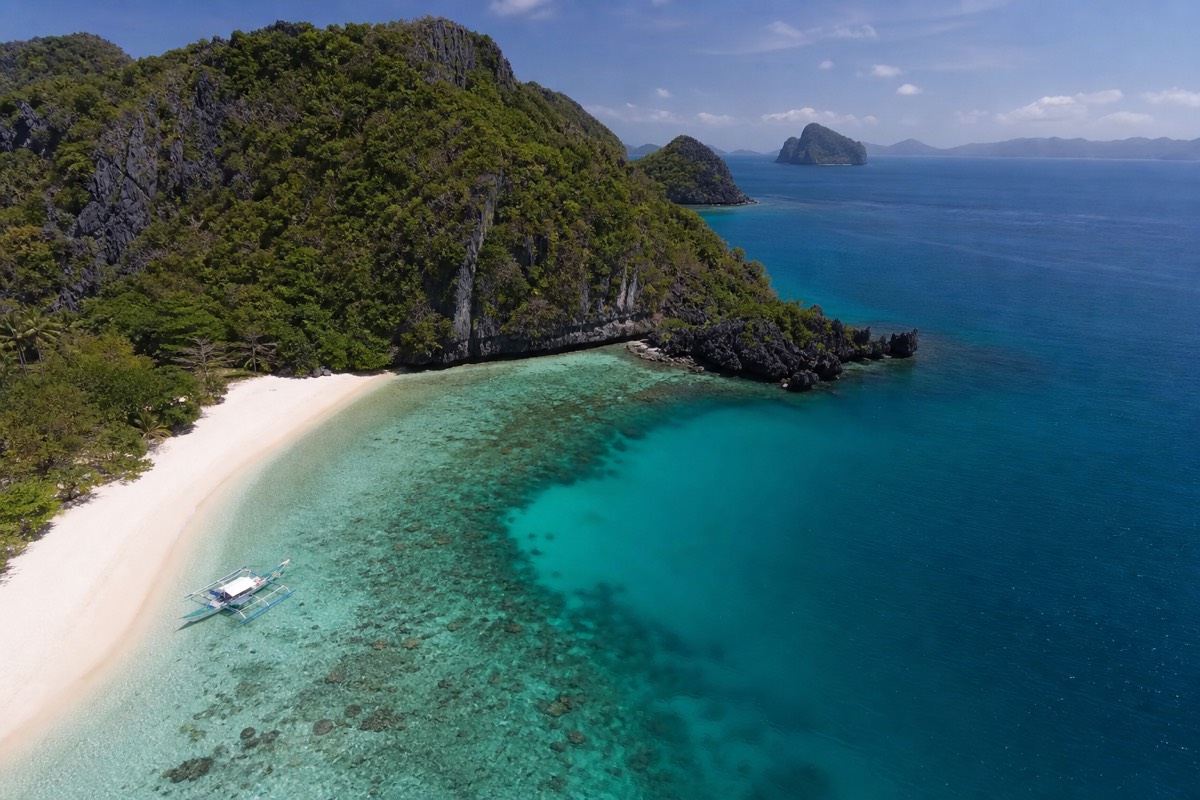
This is the honest trade-off. So much of the good reef here is shallow that a confident snorkeller sees a great deal from the surface, and the gear inclusion depends on the booked option. Diving buys you three things snorkelling cannot: the swim-through at Dilumacad, the deeper wall sections, and the calm of hovering at depth while a turtle feeds a few metres away. If you only have budget or time for one, snorkel; if the underwater world is a big reason you came, add dives.
| Factor | Snorkelling | Diving |
|---|---|---|
| Cost | included on boat tours | extra, check the live listing |
| Depth and access | surface, shallow reef | walls, tunnel, deeper reef |
| Skill needed | can swim and float | a session or a certification |
| Time with marine life | brief, from above | longer, at eye level |
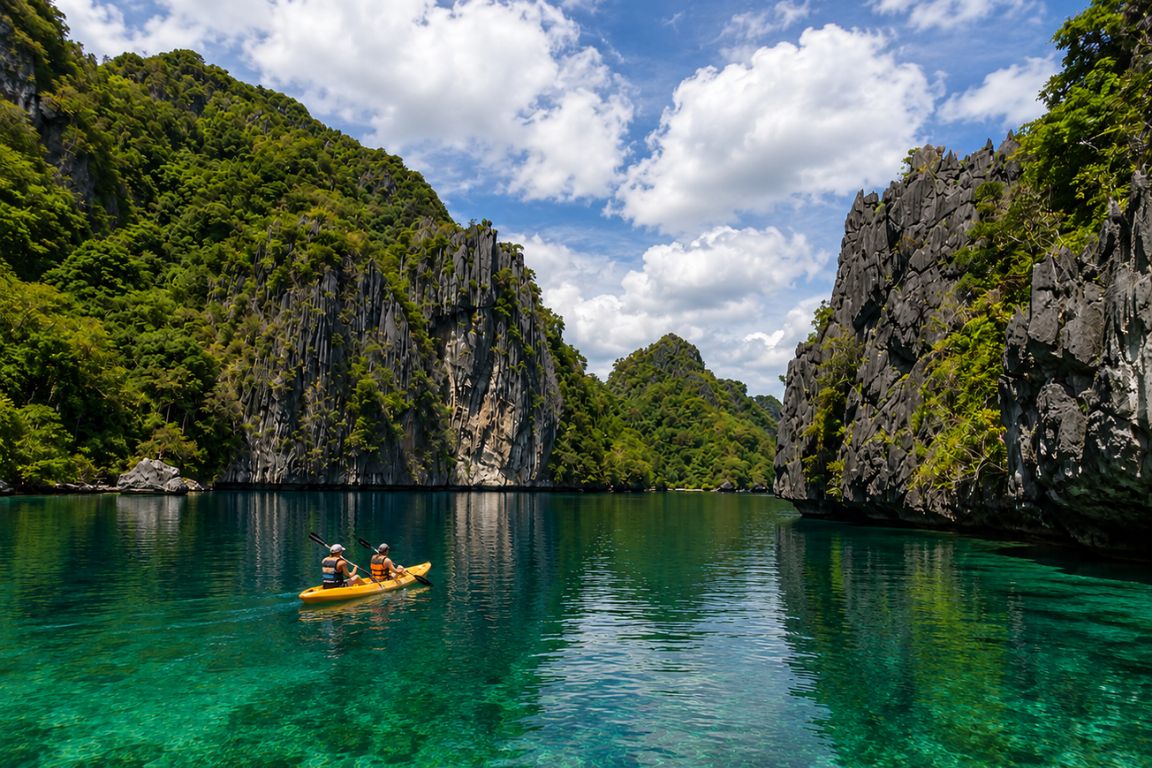
The lagoons themselves are more about the scenery than the reef, so if it is fish and coral you want, aim for the snorkel stops and dive sites rather than the calm inner lagoons that our guide to Big Lagoon and Small Lagoon covers.
A realistic plan for a mixed group, some divers, some not, is to share the boat tours for the snorkelling and the scenery, then let the divers peel off for a dedicated dive day. Nobody misses out. The non-divers still see turtles and coral from the surface, and the divers get their walls and tunnel without dragging the whole group to depth. It is the arrangement most couples and families here settle on.
Should You Try Discover Scuba Or Get Certified?
If you have never dived, a Discover Scuba session is the low-commitment way in. An instructor takes you down in shallow water, usually within the first ten to twelve metres, with no course or exam. If you already hold a certification, bring your card and dive the better sites, or use El Nido as a relaxed place to finish an open-water course.

Discover Scuba is exactly what it sounds like, a first taste of breathing underwater under close instructor supervision, no theory tests, no commitment beyond the day. It is the right call for the curious traveller who wants to know whether diving is for them before spending on a full course. A beginner Discover Scuba session runs around $145, though prices move, so check the live listing. Certified divers get more out of El Nido, with access to the tunnel and the deeper reefs, and the warm, forgiving water also makes it a pleasant place to knock out certification dives if you are mid-course.
| Option | What it is | Who it suits | Rough depth |
|---|---|---|---|
| Discover Scuba | guided first dive, no course | total beginners, the curious | about 10 to 12 m |
| Certification course | full open-water training | those wanting to dive long term | up to 18 m by level |
| Fun dives (certified) | guided dives at the best sites | anyone already certified | site dependent |
One distinction matters: Discover Scuba includes introductory training, but does not award an open-water certification. You will be shallow, closely supervised and limited in where you can go, so do not expect the tunnel or the deeper walls on a first dive. If that first taste lights something up, the logical next step is a proper open-water course, either here in the warm, forgiving water or back home before your next trip, which opens the better sites for good.
When Is The Best Season To Dive In El Nido?
The dry season, roughly December to May, is the diving window. Calm water and light wind push visibility to around 10 to 25 metres, and boats run on schedule. From June to October the southwest monsoon stirs up the sea, drops visibility and can cancel trips at short notice as the weather turns.
January to March tends to bring the calmest, clearest water of all, which is why serious divers aim for that stretch. As the wet season builds, rain run-off and wind chop cut visibility and make the boat rides less comfortable, and the Coast Guard can suspend trips when the sea gets rough. You can still dive in the shoulder months, and prices are softer, but you trade some certainty for the saving. If you are timing the wider trip around the water, our guide to the best time to visit lines up diving with the rest of the season.
| Period | Conditions | Visibility | Verdict |
|---|---|---|---|
| December to May | dry, calm, light wind | around 10 to 25 m | prime diving window |
| January to March | calmest, clearest | at its best | the sweet spot |
| June to October | monsoon, rougher seas | reduced | possible, less reliable |
There is a booking angle to the seasons too. The prime months are also the busiest and priciest, so the best-value diving is often in the shoulder weeks at either end of the dry season, when the water is still decent and the shops are quieter. If you want the clearest possible visibility and the most settled seas, though, aim squarely for the heart of the dry season and book ahead.
How Do You Choose A Dive Shop, And What Does It Cost?
Pick a shop by its safety culture, not its price. Look for well-kept gear, small group sizes, current insurance and instructors who brief properly and never rush you. A Discover Scuba experience or a two-tank fun-dive day are the common bookings. Prices move with fuel and season, so check the live listing before you commit.
A good dive shop shows itself in the small things: rinsed and serviced kit, tanks that are actually full, a guide who counts the group and checks your gear before you giant-stride off the boat. Ask how many divers per guide, whether they carry oxygen and a first-aid kit, and how they handle currents at sites like South Miniloc. A shop that answers those questions plainly is one to trust. Beginners are usually best served by a shop that runs small Discover Scuba groups rather than herding a dozen first-timers at once.
On cost, treat any figure as a moving target. A beginner session sits around the $145 mark, and certified fun dives are priced per dive or per day, but season and fuel shift the numbers, so confirm before you book. Paying online in advance also sidesteps the town's unreliable cash machines.
It pays to be honest with the shop about your experience. Tell them your certification level, your last dive date and how comfortable you feel, and a good operator will match you to the right site and group rather than pushing you beyond your comfort. If you are rusty, ask for a refresher or an easy check dive first. The reputable shops would far rather run that than put a nervous diver on a current site at depth.
How Do You Stay Safe And Dive Responsibly?
Never touch or stand on coral, keep your distance from turtles, and hold good buoyancy so your fins do not stir the reef. Do not dive within 18 to 24 hours of your flight out of Lio. Stay hydrated, respect the environmental fee that funds reef protection, and follow your guide's calls on current at sites like South Miniloc.
The no-fly rule matters more here than most people realise, because the small AirSwift schedule out of Lio can tempt divers to squeeze in one last dive too close to departure. Leave a clear day between your final dive and the flight. On the reef, buoyancy is everything: a stray fin kick breaks coral that took decades to grow, and a chased turtle is a stressed turtle. The eco-tourism fee you pay on arrival is part of what keeps this water worth diving, so treat the reef as if the next diver's day depends on it, because it does. If you need the flight details, our guide to your flight out of Lio has the schedule realities.
A few more habits keep both you and the reef safe. Dive within your certification and your air, surface with a reserve rather than sucking a tank dry, and never chase or corner marine life for a photo, turtles especially, since they need to reach the surface to breathe. Listen to the dive briefing on entry, exit and the day's current plan, and signal your guide the moment something feels off. None of this is complicated, and all of it is what separates a great dive day from a scare.
The reef days our team at El Nido Tours helps visitors plan run on the same protected water the divers use, so gentle habits underwater keep the whole bay worth the trip for the people who come after you.
How Does Diving In El Nido Compare To Coron?
Coron is the Philippines' most famous wreck-diving destination, with a fleet of sunken Second World War ships in dive-able depths, plus the eerie freshwater layers of Barracuda Lake. El Nido is the calmer reef, wall and macro alternative, better suited to beginners. Chase wrecks in Coron; choose El Nido for easy reefs, turtles and warm, sheltered water.
The two towns sit close on the map but dive very differently. Coron's draw is history under the water: a fleet sunk during the Second World War, now draped in coral and open to recreational and technical divers, with several wrecks reachable on a single tank. That comes with more depth, more planning, and conditions that reward experience. El Nido asks less of you. Its reefs start shallow, the bay stays sheltered, and a nervous first-timer can have a lovely day without ever going deep.
The towns are linked by a ferry of roughly three and a half to four hours, or by a Coron-To-El-Nido Expedition boat, so some divers fold both into one Palawan trip. Our comparison of how El Nido and Coron stack up covers the wider trade-offs beyond the diving.
| Factor | El Nido | Coron |
|---|---|---|
| Signature dives | reefs, gentle walls, the Dilumacad tunnel | sunken Second World War shipwrecks |
| Best suited to | beginners and easy reef diving | wreck and more experienced divers |
| Conditions | shallow, calm, sheltered bay | deeper, more planning, some current |
| Standout extra | macro life and turtles | Barracuda Lake's freshwater layers |
What Should You Pack For A Day Of Diving In El Nido?
The dive shop supplies the heavy kit: tank, weights, regulator, buoyancy jacket and usually a thin wetsuit, so you carry very little. Bring swimwear, a towel, reef-safe sunscreen, and your certification card and logbook if you hold them. A dry bag, water, and cash for the day round out a diver's boat bag.
Certified divers should travel with proof of certification and a rough logbook count, because a good shop will ask before matching you to a site. If you own a mask that seals well or a dive computer you trust, bring them; personal gear beats loaners on comfort and fit. Everything else can wait at your accommodation. Do not overload the boat bag, since the deck is wet and space is tight, so the same light, waterproof approach that works for island hopping works for a dive day. Our full El Nido packing list covers the dry bag, shoes and cash side in detail.
| Bring yourself | Supplied by the shop |
|---|---|
| Swimwear and a towel | Tank, weights and air |
| Reef-safe sunscreen | Regulator and buoyancy jacket |
| Certification card and logbook | Wetsuit, usually thin |
| Personal mask or dive computer, if owned | Mask, fins and boots if you have none |
| Dry bag, water and cash for the day | Guide and boat |
Who Should Skip Diving In El Nido, And Who Will Love It?
Skip a dedicated dive day if you are chasing big sharks or manta rays, only have time for a single day on the water, or feel uneasy with your face under it; snorkelling the island-hopping tours will serve you better. You will love the diving if you want calm, warm reefs, turtles, and a low-pressure place to learn or refresh.
The clearest reason to skip it is time. If you have only one day and you are not already a diver, spend it island hopping: the snorkelling shows you turtles and coral, and you see far more of El Nido's scenery from a boat than from a single dive site. People who freeze at the idea of breathing underwater should not force it either. A Discover Scuba session is gentle, but it is still not for everyone, and there is no shame in staying on the surface.
The people who get the most from diving here are the ones who value calm over adrenaline: beginners taking their first breaths, certified divers between island days who want an unhurried reef, and photographers happy to spend twenty minutes over one patch of macro life. If you are fitting diving around the rest of your days, our El Nido itinerary guide shows where a dive day sits without crowding out the classic tours.
Can Non-Divers Still See The Underwater World?
Yes, and easily. The island-hopping tours stop at snorkel sites over the same reefs, with life vests listed; check whether mask and snorkel rental is included. Secret Lagoon, Shimizu Island and the reefs off Helicopter Island are all strong from the surface. A Discover Scuba session offers an instructed introduction subject to the operator’s age, medical and preparation requirements.
You do not have to be certified to see the good stuff. On a normal boat day the crew hands out snorkel gear and picks stops where the reef comes close to the surface, so a confident swimmer sees turtles, coral and reef fish without a tank. If that whets your appetite, a single Discover Scuba dive is the natural next step, with age, medical and advance-orientation requirements to confirm. Beyond the reefs, our guide to El Nido's beaches covers the calmer shallows for anyone who prefers to wade in from the sand.
For families, this flexibility is a gift. Older children who can snorkel see the same turtles and coral the adults do, while a parent can slip away for a Discover Scuba dive knowing the rest of the group is happy on the surface. There is a version of the underwater day here for almost every age and comfort level, which is a large part of why the archipelago suits such a wide range of travellers.
However you meet the water here, the pattern that works is simple: snorkel the reefs on the boat days, add a dive or two if the underwater world pulls at you, and let the calm dry-season sea do the rest. The archipelago is generous to anyone willing to look below the surface.