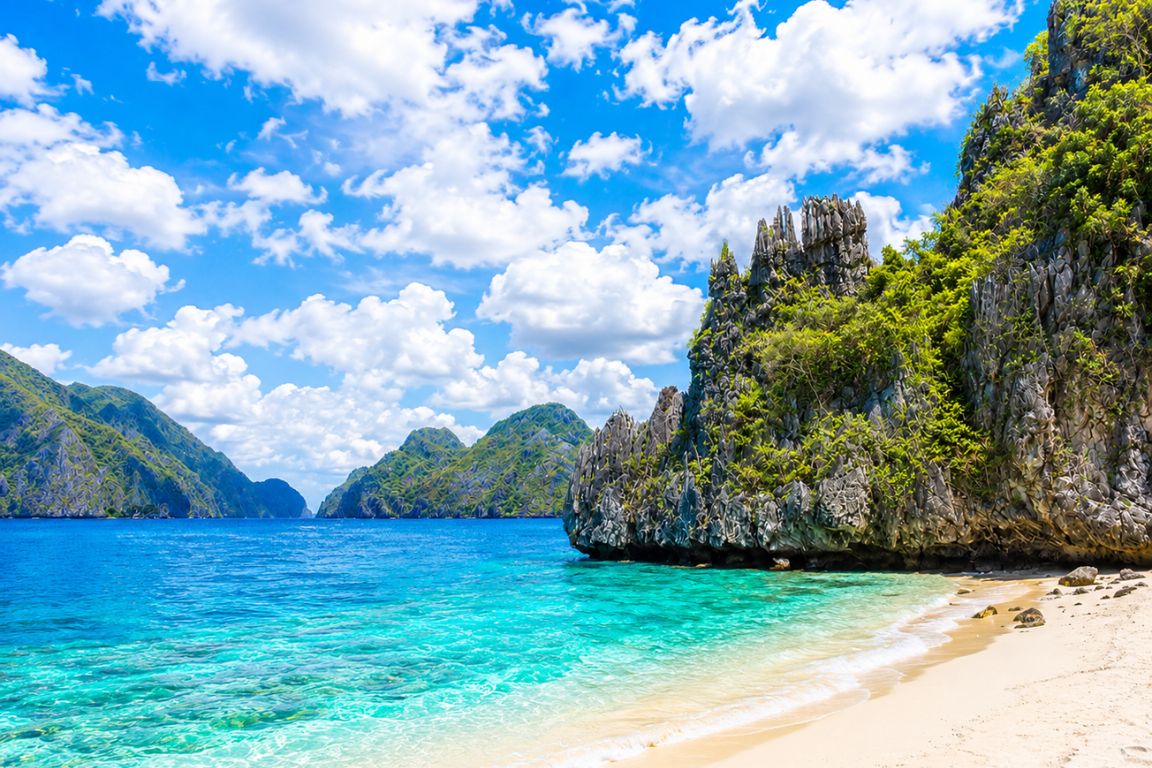
Best El Nido Island Hopping Tours
The best island hopping tour in El Nido depends on what you care about most - iconic lagoons, snorkeling, fewer crowds, or a more relaxed family-friendly day.
Keep the guide’s route advice in mind, then compare the exact shared and private options after the complete article and answers. Compare Your El Nido Options Below.
Last updated: July 29, 2026
Tour A is the best tour for first-timers: the Big Lagoon is the most iconic single stop in the archipelago. Tour C is the best tour overall for experienced travelers: most people who do multiple routes rate it highest. Tour C has the best snorkeling, specifically the Matinloc wall. Tours B and D are the best for avoiding crowds. Tour D is the best for families. Tour C on a private boat with an early departure is the best combination for couples. If you only have one day, do Tour A. If you have two, do A then C. If you have four, do all of them.
| First-timers | Tour A | Big Lagoon is El Nido’s defining experience; sets the right baseline |
| Overall favorite | Tour C | Rated highest by travelers who do multiple tours; most physically varied |
| Best snorkeling | Tour C | Matinloc wall is the strongest snorkel site of any standard tour; sea turtle density highest |
| Avoiding crowds | Tour B or D | Both routes carry significantly fewer boats; Tour D is the least crowded |
| Families | Tour D | Lowest crowd density, calm beaches, shortest boat transit, no swim-throughs |
| Couples | Tour C (private) | Secret Beach entry + Matinloc Shrine viewpoint; private boat removes crowd friction |
| History & culture | Tour B | Cudugnon Cave is the only stop on any standard tour with genuine archaeological depth |
| Two lagoons in one day | Tour D | Small Lagoon + Cadlao Lagoon; pair with Tour A on another day for all three |
| One day only | Tour A | Covers the most essential single stop in the Bacuit Archipelago |
| Two days | Tour A + Tour C | Covers lagoons and outer islands; the most complementary pairing |
- Start with Tour A for Big Lagoon, or choose C when outer-island beaches are the priority.
- Tour B adds caves and a tidal sandbar; Tour D adds Small Lagoon and Cadlao beaches.
- A private boat changes who shares the boat, but does not guarantee empty sites or unrestricted access.
What Are The Best Island Hopping Tours In El Nido?
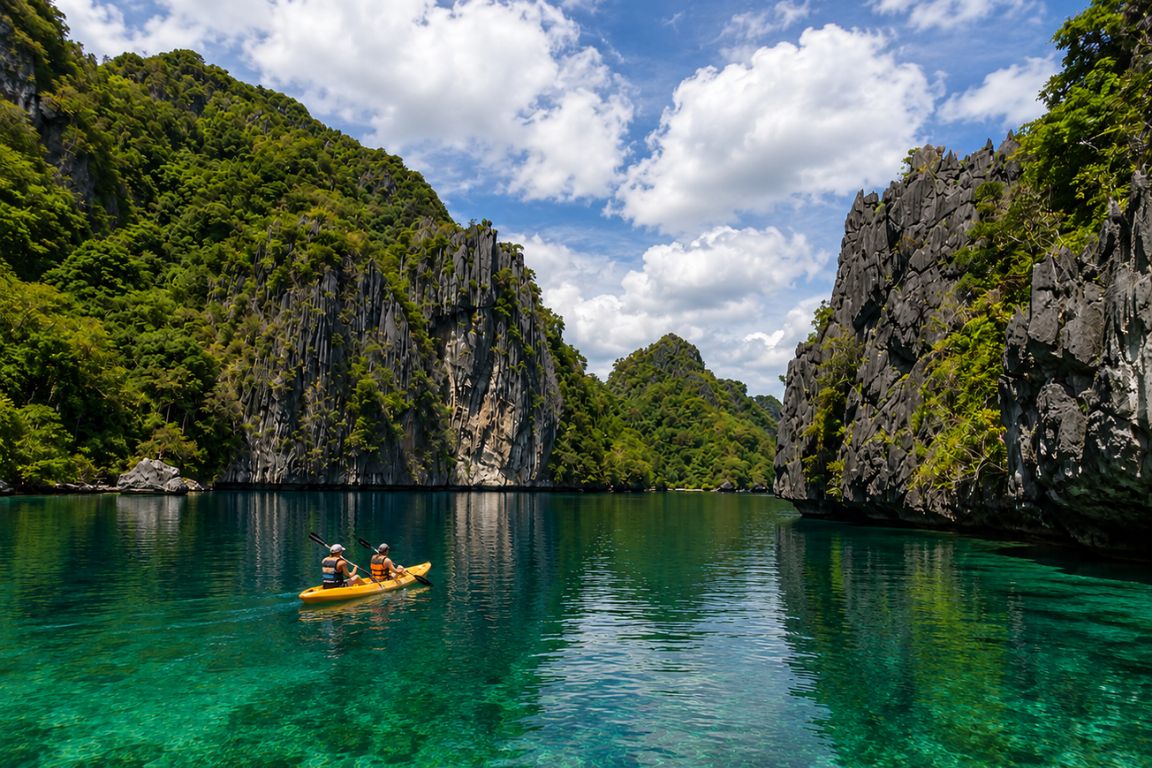 El Nido has four standard island hopping tours, each covering a different section of Bacuit Bay and offering a genuinely different character of day. Tour A is the most popular and the right choice for first-timers, built around the Big Lagoon and offering the clearest introduction to what makes El Nido extraordinary. Tour C is rated highest by travelers who do multiple routes, with the most dramatic stops and the best snorkeling. Tours B and D are the least crowded and reward travelers with more days who want to see the quieter sides of the archipelago.
The question of which El Nido tour is “best” doesn’t have a single answer because the four tours are genuinely different in character, not just in stops. Ranking them as better or worse misses the point. What’s more useful is knowing which tour is best for your specific situation, your time in El Nido, your group, what you want from a day on the water, and how much crowd tolerance you’re carrying.
We’ve guided more than 8,200 travelers through El Nido since 2014, which means we’ve watched thousands of people make tour decisions and come back at the end of the day with reactions that either matched or confounded their expectations. The patterns in those reactions are what this guide is built on.
One consistent observation: travelers who arrive with a clear sense of what they want from their day on the water almost always leave satisfied, regardless of which tour they chose. Travelers who arrive with vague expectations of “the best” experience sometimes leave disappointed by whatever they picked because the reality of El Nido, busy in peak season, slower and quieter in shoulder season, more physically demanding than the photos suggest, doesn’t match the postcard version they imagined.
This guide cuts through that by matching tour recommendations to specific traveler types. If you want to sort which tours make sense for your specific days and group, start with the Tour A guide and check Tour A availability before you book.
All four El Nido tours look similar on paper but cover completely different ground - our Tour A vs B vs C vs D guide breaks down exactly what each route includes and which one suits different types of travellers.
Which El Nido Tour Is Best For First-Timers?
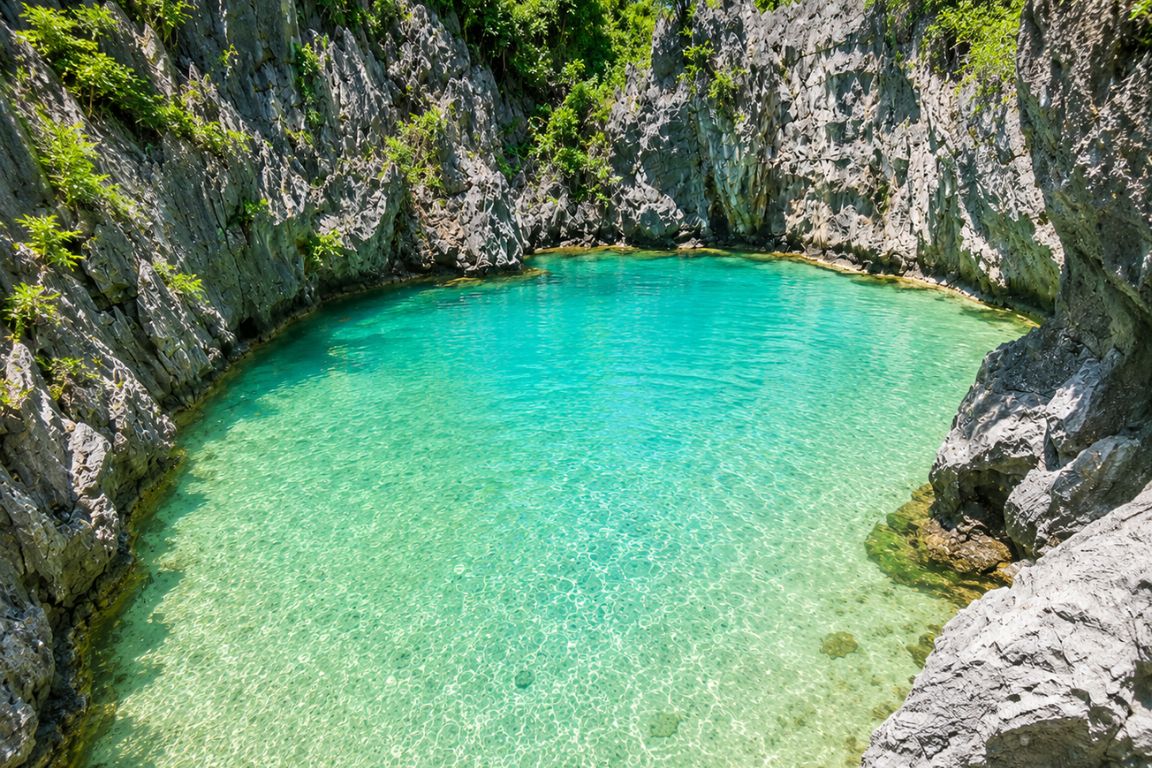
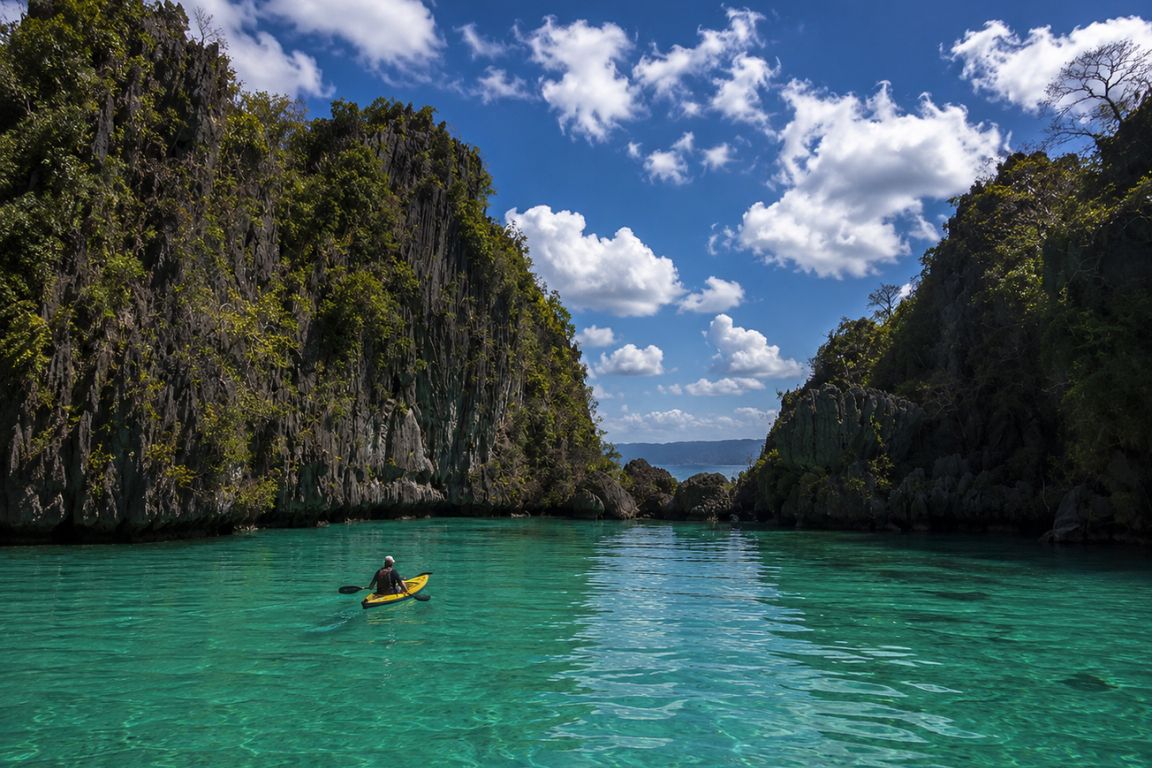
Tour A is the best El Nido island hopping tour for first-timers. The Big Lagoon is the single most iconic stop in the Bacuit Archipelago: an enclosed body of emerald water surrounded by sheer limestone walls, kayaked rather than motored into, and visually unlike anything in El Nido town. Tour A also covers the Secret Lagoon, Shimizu Island, and Seven Commandos Beach, giving a first-time visitor the widest cross-section of what El Nido’s inner bay offers in a single day.
Tour A earns the first-timer recommendation not because it’s objectively the best tour, but because it delivers the experience that most travelers arrive imagining El Nido to be. The Big Lagoon is what puts El Nido on “world’s best” lists. It’s the image in the magazine and the screenshot travelers share before departing. Arriving at it on day one, paddling through the entry channel on a kayak with the walls rising on both sides, is the moment El Nido becomes real rather than aspirational.
Tour A (book group tour Explore Tour A: Big Lagoon And Island Beaches or private tour Explore Private Tour A With Lunch) also provides an important baseline. Travelers who do Tour A first understand the scale and character of the archipelago in a way that makes every subsequent tour more meaningful. The Big Lagoon teaches you what El Nido’s enclosed water looks like. Secret Beach on Tour C then hits harder because you understand what you’re comparing it to. Cadlao Island’s beaches on Tour D feel more distinct because you’ve seen what Seven Commandos Beach looks and feels like.
Tour A’s headline lagoons can feel busy when several groups arrive together. If crowds affect your enjoyment, compare a private boat with the shared option and ask which departure and lagoon-entry arrangements can actually be confirmed for your date. A private booking does not reserve the public lagoon for your group.
If you only have one day in El Nido and someone asks which tour to do, Tour A is the answer. Not because B, C, and D are worse, but because Tour A covers the most essential single stop in the entire archipelago and gives a first-time visitor the fullest introduction to why El Nido is worth the journey.
First time booking El Nido island hopping and not sure whether Tour A should be your starting point? Here’s our El Nido Tour A guide so you decide with the full picture rather than just following the crowd.
Which El Nido Tour Has The Best Snorkeling?
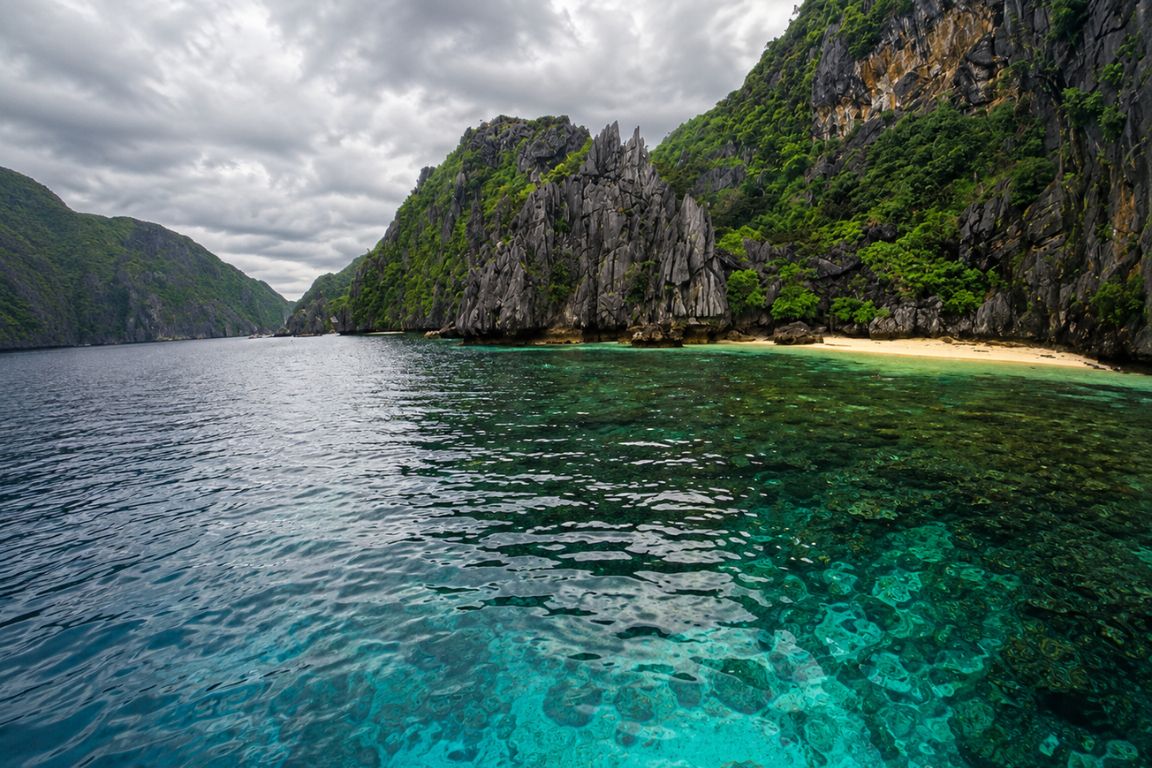
Tour C has the best snorkeling of the four standard El Nido island hopping tours. The reef wall along the western face of Matinloc Island drops to around 15 metres, has consistent soft coral cover, and is the highest-probability site for sea turtle sightings across all four routes. Tapiutan Island‘s reef adds a second strong snorkel stop. Tour A‘s Shimizu Island is often cited as a competitive alternative, and for coral gardens specifically it ranks very closely with Tour C. The distinction is that Tour C delivers two quality snorkel sites while Tour A delivers one.
Snorkeling quality in El Nido depends on two things that vary more than most travel guides acknowledge: visibility on the day and reef health at the specific site. El Nido has over 800 species of reef fish across the archipelago, and the broader marine ecosystem is genuinely healthy by Southeast Asian standards. But individual sites vary. Some have been affected by anchor damage and high foot traffic. Others remain in excellent condition because they receive fewer boats.
The Matinloc wall on Tour C (book group tour Explore El Nido Tour C: Hidden Beaches and Shrine or private tour Explore El Nido Private Tour C with Lunch) is consistently the strongest snorkel site across the standard tour network. It’s a reef wall rather than a flat coral garden, which means fish density increases with depth and the variety of species at 10 to 15 metres below the surface is meaningfully better than at the shallower sites. Sea turtles are common here, not as lucky encounters but as expected sightings: the seagrass patches adjacent to the reef attract feeding green turtles with enough regularity that guides brief snorkelers on turtle etiquette before entering the water.
Shimizu Island on Tour A is the main competition. It’s a dedicated snorkel site, the lunch stop for most Tour A operators, with a well-established reef and consistent fish presence. On a calm visibility day, Shimizu Island snorkeling is exceptional. The difference from the Matinloc wall is depth and turtle frequency: Shimizu is shallower and turtle sightings, while possible, are less consistent.
Tour B‘s Pinagbuyutan Island and the waters off Entalula Beach offer decent snorkeling, better than many travelers expect, though the sites aren’t in the same tier as Tour C‘s Matinloc wall or Tour A‘s Shimizu. Tour D‘s outside-lagoon snorkeling at both Cadlao Lagoon and the Small Lagoon entrance is worth doing but serves the kayak experience more than the snorkeling one.
Bottom line for snorkeling: if it’s your priority, choose Tour C, bring your own mask, and specifically ask your guide to prioritize time at the Matinloc wall over the beach stops.
Want to know what El Nido’s secret beach and hidden lagoon route actually delivers before you add it to your itinerary? Here’s our El Nido Tour C guide so you arrive knowing what to expect.
Which El Nido Tour Is Best For Avoiding Crowds?
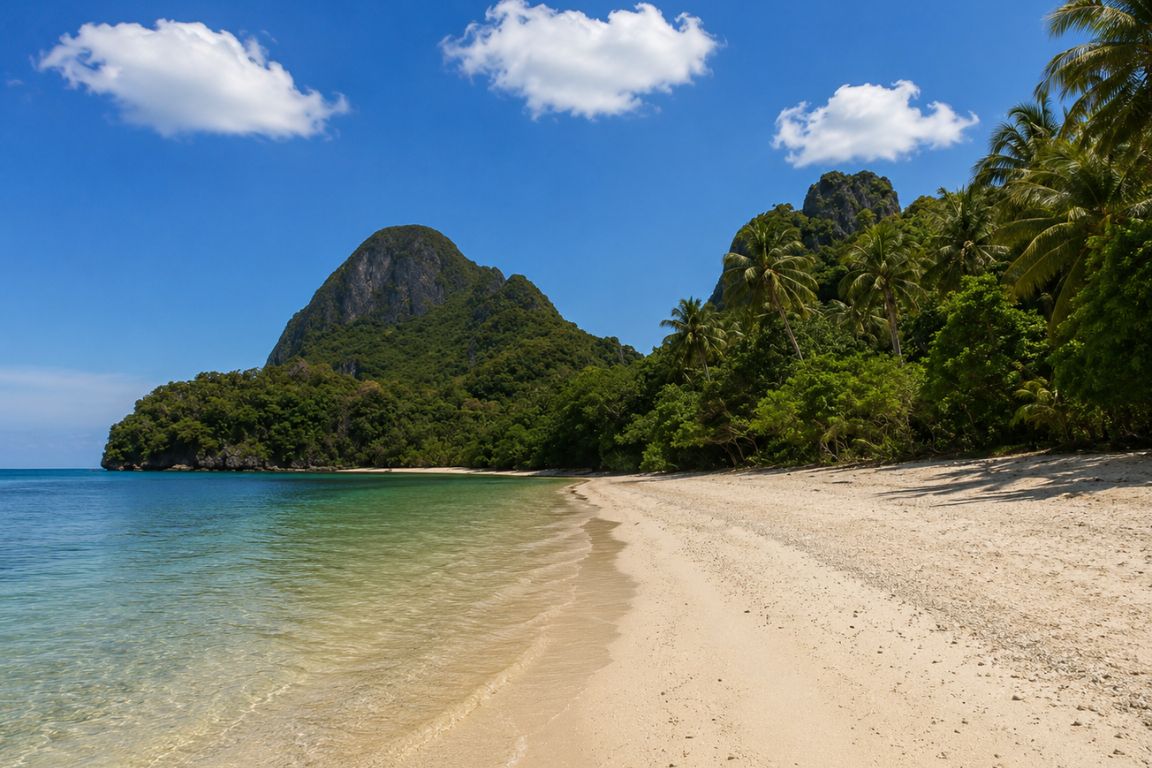
Tour B and Tour D are the best El Nido island hopping tours for crowd avoidance. Both routes carry significantly fewer boats than Tours A and C. Tour D is consistently the least crowded of the four, with travelers regularly reporting being the only boat at Nat Nat Beach or Pasandigan Cove. Tour B‘s Snake Island sandbar and cave stops typically see one to three boats at a time versus the dozen or more boats common at Tour A‘s Big Lagoon during peak season. For any tour, a private boat with an early departure further reduces crowd exposure at the most popular stops.
Crowd levels in El Nido follow a clear hierarchy driven by demand. Tour A draws the most boats because it has the most famous stops. Tour C draws the second most because it has the most dramatic stops. Tour B and Tour D, despite covering genuinely excellent destinations, don’t have the same marketing pull and therefore attract fewer operators and fewer boats. The gap between the two tiers is significant and consistent across seasons.
The practical experience of this difference: on a busy peak season morning, Tour A might have 12 or more group tour boats leaving the pier in the same window. A substantial fraction of those boats follows the same route sequence, which means they arrive at the Big Lagoon and Secret Lagoon in convoy. Tour B on the same morning might have three to five boats going out. Tour D might have two.
For travelers who have done Tour A and found the crowds difficult, Tour B or D as the second tour produces a noticeably different experience at an equivalent cost. The beaches on both routes are beautiful. The stops are largely uncrowded. The feeling of having a beach to your group and a lagoon to your kayak is reliably achievable.
For Tour A or C, ask the operator whether an earlier departure or a different stop order is possible on your chosen date. A private boat gives your party its own space aboard; entry arrangements, conditions and other visitors still determine the experience at each stop.
Want to move at your own pace and spend more time at the stops that actually matter to you? Here’s our private El Nido tours guide so you know exactly what you’re getting.
Which El Nido Tour Is Best For Families?
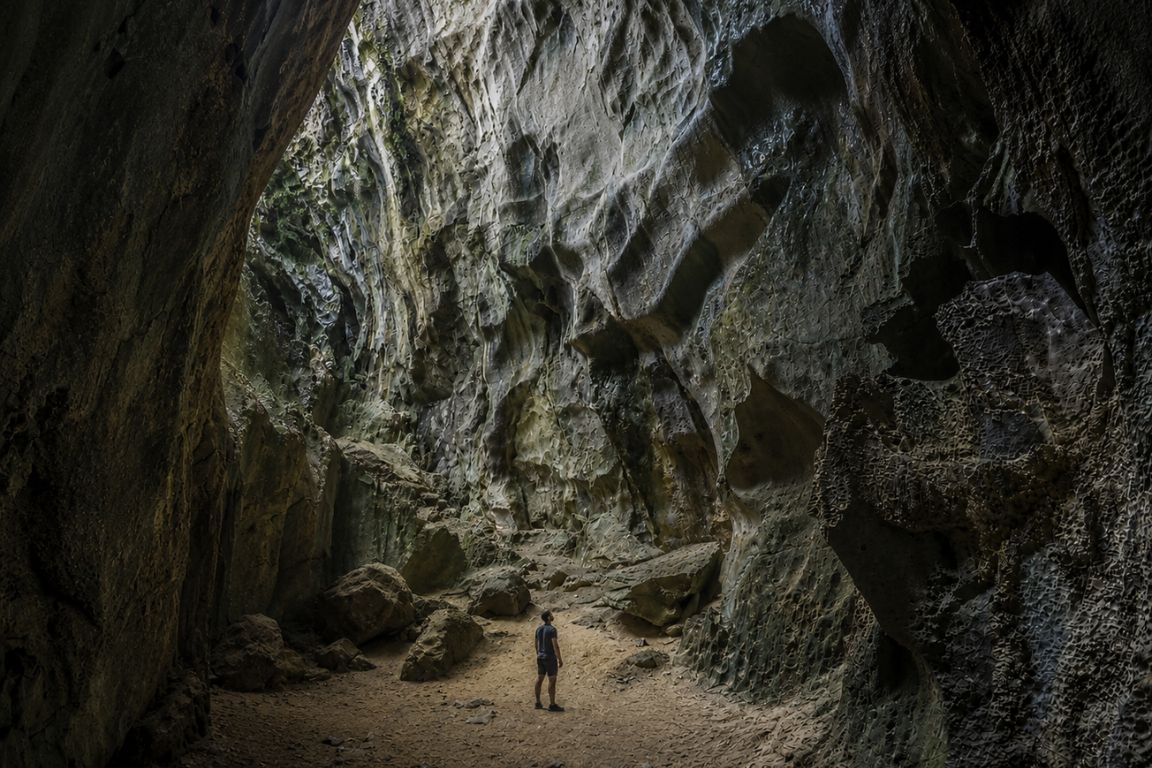
Tour D may appeal to families who prefer lagoons and beach stops to the outer-island circuit. Suitability depends on each child’s age, water confidence, required assistance and the conditions. The verified listing excludes pregnant travelers and people with mobility impairments; check life-jacket sizing and all participant requirements before booking.
Families visiting El Nido face a set of practical constraints that the standard tour rankings don’t account for. Crowd density matters more with children in tow. Physical demands at stops affect families differently. Boat transit time over exposed open water carries more weight if any family member is prone to motion sickness. Tour D (book group tour Explore Tour D: Small Lagoon And Cadlao or private tour Tour D Shared/Private Options) addresses all of these better than any other standard route.
Tour A is a viable family option with caveats. The Big Lagoon kayak is accessible to older children who can paddle confidently. The Secret Lagoon entry through the rock opening is manageable for most children above eight or nine years old. Seven Commandos Beach is excellent for family beach time. The challenge is crowd density: peak season Tour A mornings involve a lot of boats and a lot of people, which can be stressful with young children.
Tour B is also family-friendly, with Cudugnon Cave‘s crawl-through entry adding a genuinely exciting element for older children. Snake Island’s sandbar, shallow and walkable at low tide, is excellent for young children who want to wade and spot starfish. The crowd levels are lower than Tour A throughout.
Tour C is the least family-friendly of the four routes. Secret Beach requires a swim-through that demands genuine water confidence, which excludes younger or less confident children. The Matinloc Shrine climb requires proper footwear and reasonable fitness. The outer island transit exposes the boat to more open-water conditions. It’s a fantastic tour for older children who are strong swimmers, but not the right starting point for families with young children or mixed physical capabilities.
For families with children under ten or with any member who doesn’t swim confidently, Tour D is the clear recommendation. For families with older, physically active children, Tour B on day two after Tour D is an excellent combination that adds cave exploration and a sandbar without the crowd and transit demands of the outer island routes.
Want to know what El Nido’s most off-the-beaten-path island-hopping route actually covers before you commit to a full day away from the main lagoons? Here’s our El Nido Tour D guide so you arrive knowing what to expect.
Which El Nido Tour Is Best For Couples?
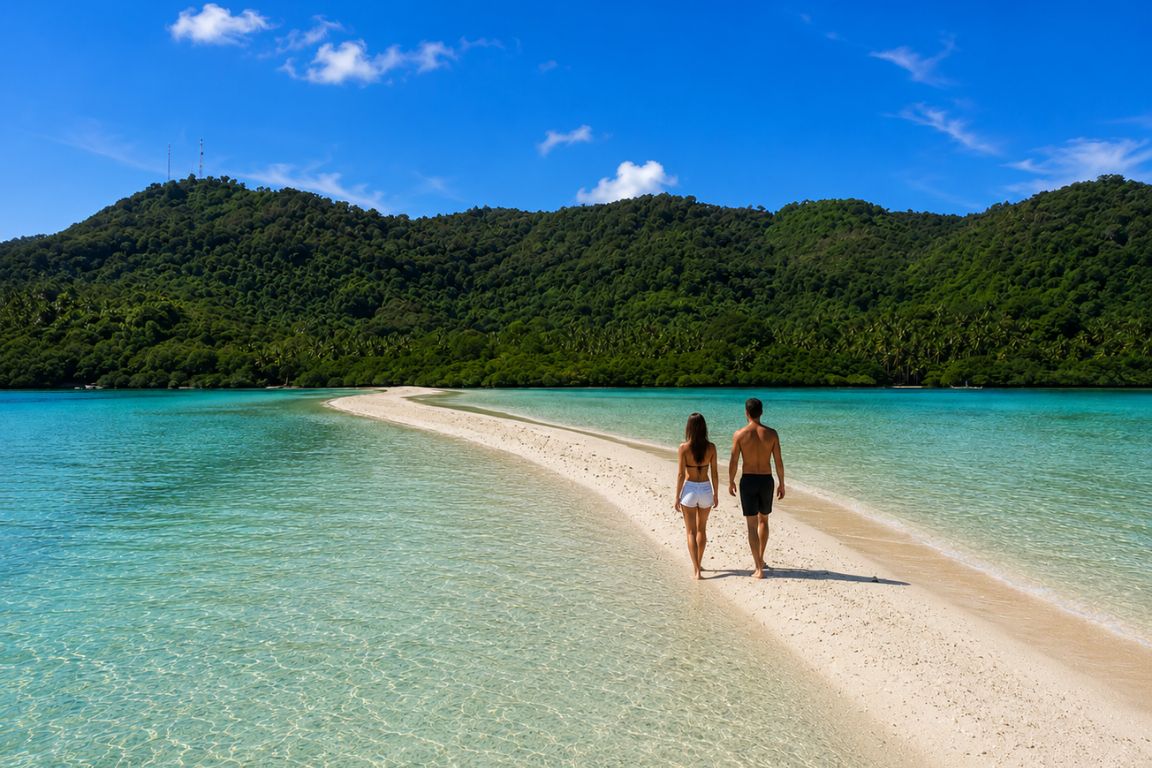
Tour C on a private boat is the best El Nido island hopping experience for couples. Secret Beach’s swim-through entry to an enclosed cove, the Matinloc Shrine viewpoint with panoramic archipelago views, and the intimate character of the outer island stops produce the most memorable combination of any single day on the water. The private boat removes the crowd friction that can undermine Tour C‘s most atmospheric stops. For couples on a budget, Tour B offers the most romantically pitched beaches and caves with the lowest crowd levels and no need for a private boat premium.
The private Tour C recommendation for couples comes down to two specific moments. Secret Beach, approached by swimming through a gap in the cliff face and emerging into an enclosed cove with vertical walls and turquoise water and no sound beyond the sea, is the kind of experience that is fundamentally altered by being there with 25 strangers versus being there with your partner and no one else. The Matinloc Shrine viewpoint in the late afternoon, with the archipelago spread across the horizon and the light at the angle it gets in the last two hours of the tour day, is one of the most compelling visual settings accessible on any standard route. Both of these moments are better on a private boat, and on Tour C specifically they happen to the same day.
For couples for whom the PHP 7,000 to 9,000 private boat premium isn’t practical, Tour B (book group tour Explore El Nido Tour B: Caves and Snake Island or private tour Explore El Nido Private Tour B with Lunch) offers the most romantically appropriate group tour experience. Snake Island’s sandbar at low tide, with open sea on both sides of a pale strip of sand and almost no other boats in the bay, is genuinely romantic in the way that more crowded sites aren’t. Pinagbuyutan Island, with its limestone walls framing a semi-circular beach, provides the kind of setting that photographs well without the queues that Tour A and C‘s flagship stops attract.
Honeymoon travelers who want to invest more can compare the El Nido Seacret luxury catamaran or a private Tour C boat, which provide more deck space, shade, and comfort for the transit portions between stops. The difference in cost over a standard private bangka is meaningful, but for a once-in-a-trip occasion, the comfort upgrade is worth pricing at booking.
We’ve put together a full stop-by-stop breakdown in our El Nido Tour B guide so you know exactly what each location offers and how to make the most of a full day on this particular route.
How Do You Choose The Right El Nido Tour For Your Trip?
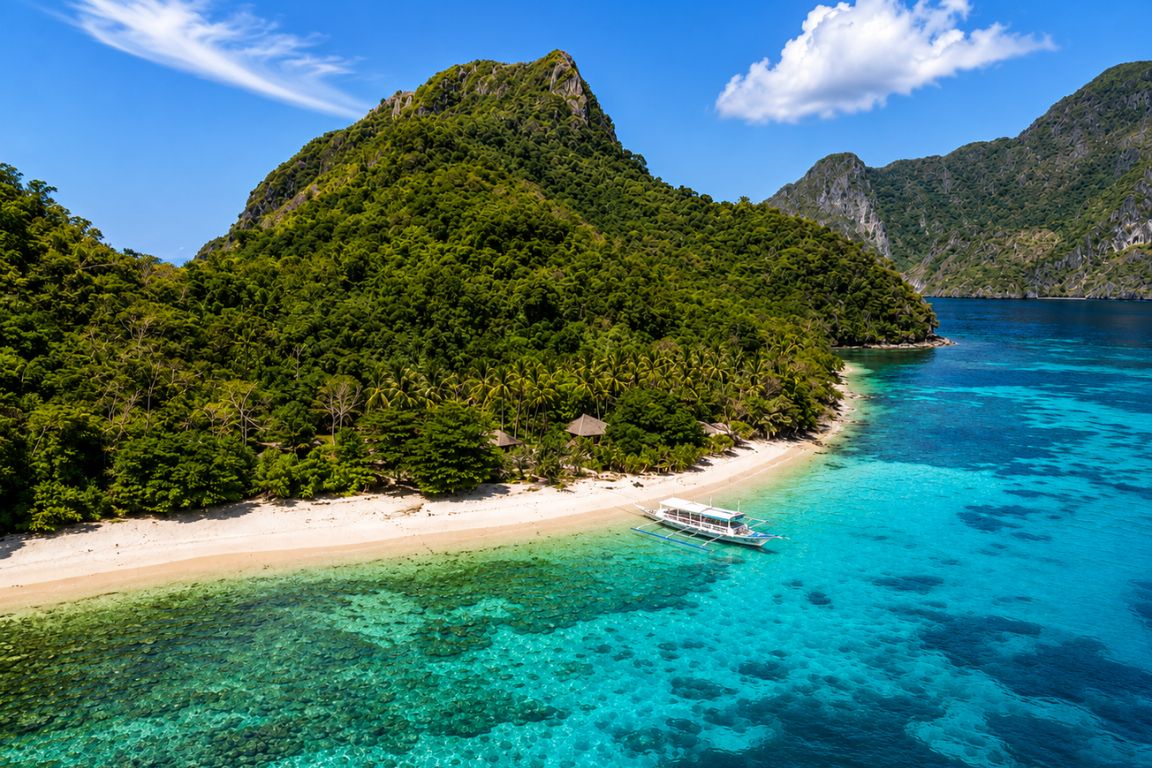 Choose your El Nido tours based on how many days you have, what you want from the water, and your group’s physical capabilities. One day: Tour A. Two days: Tour A then Tour C. Three days: Tour A, Tour C, Tour B. Four days: all four in order A, C, B, D. Crowd-sensitive travelers should prioritize Tours B and D or book private on Tours A and C with an early departure. Non-swimmers and families prioritize Tour D. Strong snorkelers prioritize Tour C. The daily order matters: do Tour A first regardless of which other tours you add.
The decision tree for most travelers is simpler than the volume of research on the topic suggests. A few questions resolve it:
How many days do you have for island hopping? One day forces a single choice: Tour A. Two days makes the A plus C combination almost universally recommended, since the two routes cover different zones of the archipelago and complement each other directly. Three days adds Tour B or D depending on whether caves and sandbars or quiet lagoons and beaches appeals more. Four or more days covers all four routes comfortably, one per day, with the recommended sequence of A, C, B, D giving the best experience progression.
Most visitors either rush El Nido on a long weekend or extend without knowing what fills the extra days - our how many days do you need in El Nido tours guide breaks down what each additional day actually adds to the experience.
How important are crowds to your experience? Compare the caves-and-sandbar focus of Tour B with the lagoons and beaches of Tour D. If you prefer A or C, ask what timing flexibility is available on a private boat without assuming early entry or empty stops.
Does your group have physical or fitness constraints? Tour C involves water entries, Tour A includes lagoon activities, and Tour B includes a cave entrance. Tour D is also a boat-and-water outing, not an automatic accessible alternative. Confirm each person’s requirements with the operator rather than treating life vests or a quieter route as proof of suitability.
| Tour A | First-timers | High | Big Lagoon | Light (kayak) | PHP 1,200 |
| Tour B | Caves, history, quiet | Low | Snake Island sandbar | Light (cave crawl) | PHP 1,200 |
| Tour C | Snorkeling, couples, adventure | Medium | Secret Beach entry | Moderate (swim-throughs) | PHP 1,200 to 1,400 |
| Tour D | Families, quiet beaches, lagoons | Very low | Cadlao Lagoon | Light (kayak) | PHP 1,200 |
All prices verified June 2026. ETDF eco fee (PHP 400, one-time, valid 10 days) and site-specific fees apply to all tours.
How Do You Book The Best El Nido Island Hopping Tour?
 Book El Nido island hopping tours directly through a licensed operator in El Nido town, through the operator’s own website, or through booking platforms. For Tour A in peak season (December to February), booking two to three days ahead is strongly recommended. For Tours B, C, and D, one to two days ahead is usually sufficient. Private tours on any route benefit from direct operator contact to specify departure timing. The ETDF eco fee (PHP 400) is paid at the pier before departure, regardless of booking channel, and is valid for 10 days across all four tours.
A few things that affect booking quality that most guides skip:
The exact product matters as much as the tour letter. Operators can list different stops, equipment, pickup terms and lunch arrangements for the same route name. Compare the itinerary and recent provider reviews, then ask about the arrangements that matter to your group before choosing.
Klook and GetYourGuide prices are sometimes lower than walk-in rates, particularly for Tour A where demand is highest and operators price accordingly. The trade-off is less flexibility for pre-tour communication. Book online for the price; then contact the operator directly to discuss timing preferences before the day.
Booking all four tours at the same operator earns negotiating room. If you’re committing four days of tours to a single company, say so when you contact them. Many operators offer a small discount or itinerary upgrade (better boat, guide upgrade, earlier departure) for multi-tour bookings from the same group. It doesn’t hurt to ask.
We’ve been running all four tours since 2014, both group and private, and we know the archipelago well enough to plan around the crowd windows, the tide tables for Snake Island, the weather windows for Tour C‘s outer island transit, and the season-specific differences that affect each route. Check dates for Tour A and Tour C and build the two-day combination from there.
Want to know which season delivers the most out of an El Nido island-hopping trip without the monsoon cancellations? Here’s our best time to visit El Nido tours guide so you don’t book the wrong time of year.
Tour Ratings From Our 8,200+ Guided Travelers
| % rated “exceeded expectations” | 64% | 72% | 78% | 68% |
| % who rated it their favorite tour (among those who did multiple) | 31% | 18% | 61% | 21% |
| % who found it “too crowded” | 43% | 9% | 27% | 6% |
| Best single stop rated by travelers | Big Lagoon (74%) | Snake Island (54%) | Secret Beach (58%) | Cadlao Lagoon (48%) |
| % recommended to a friend | 88% | 84% | 93% | 81% |
| Most common day of stay tour was done | Day 1 or 2 | Day 3 or 4 | Day 2 or 3 | Day 4 or 5 |
Frequently Asked Questions
Which El Nido tour should I do first?
Tour A. It covers the Big Lagoon, El Nido’s most iconic single stop, and delivers the broadest introduction to what Bacuit Bay looks like. Doing Tour A first gives you the right baseline for every subsequent tour: you understand the scale of the lagoons, the character of the beaches, and the physical rhythm of a full day on the water. Every other tour lands differently with Tour A done first.
Is Tour A or Tour C better?
Tour A is better for first-timers and for anyone who wants a calmer, less physically demanding day with a clearly iconic stop at the Big Lagoon. Tour C is better for repeat visitors, snorkelers, adventurous swimmers, and anyone who has already done Tour A. Most travelers who do both rate Tour C higher in retrospect, but that verdict typically depends on having done Tour A first.
Which El Nido tour is the least crowded?
Tour D, consistently. Tour B is the second least crowded. Both routes attract significantly fewer boats than Tours A and C. On Tour D in shoulder season, it’s common to arrive at Nat Nat Beach or Pasandigan Cove as the only boat in the bay. On Tour A in peak season, the Big Lagoon can have 40 or more kayakers inside simultaneously.
Which El Nido tour is best for seeing sea turtles?
Tour C. The reef wall off Matinloc Island is the highest-probability site for sea turtle sightings across all four standard routes. Tour A’s Shimizu Island is a secondary option with meaningful turtle presence, particularly on calm visibility days. Bring your own mask rather than relying on rental gear for the best underwater visibility.
Do you need to do all four El Nido tours?
No, but each tour covers genuinely different destinations so doing multiple tours doesn’t mean repeating yourself. The four routes share no stops. If you have three to four days for island hopping, doing all four is a good use of time. With two days, the A plus C combination covers the most complementary pair. With one day, Tour A covers the most essential stop.
Is it worth doing Tours B and D if you’ve already done A and C?
Yes, for different reasons. Tour B adds the Snake Island sandbar and Cudugnon Cave, the only stop on any standard tour with genuine archaeological history. Tour D adds two lagoons in one day and the Cadlao Island beaches, which travelers who’ve done all four routes frequently describe as their favorite beaches of the trip precisely because they’re so uncrowded. Neither tour is a consolation prize for running out of A and C options.
Ready to plan your El Nido days on the water?We’ve been guiding all four tours since 2014. Once you know how many days you have, check Tour A first, then add Tour C if you have a second day. Group and private options available for all routes. Check Tour A availability. Written by Ethan Reyes
Philippine tour guide since 2014 · Founder, El Nido Tours
Ethan has guided over 8,200 travelers through El Nido, the Bacuit Archipelago, and Palawan since founding the agency.