How To Visit El Nido
Plan your trip to El Nido, Palawan: how to get there, best island hopping tours (A-D), ETDF fee info, and how many days you really need.
Keep the guide’s route advice in mind, then compare the exact shared and private options after the complete article and answers. Compare Your El Nido Options Below.
Last updated: July 29, 2026
El Nido sits at the northern tip of Palawan, Philippines, and is reached by direct flight from Manila (1.5 hrs) or van from Puerto Princesa (5-6 hrs). Most visitors need 4-5 days to cover the four island hopping tours - A, B, C, and D - each exploring a different part of the Bacuit Archipelago. Pay the PHP 400 Eco-Tourism Development Fee (ETDF) on arrival; it covers all tours for 10 days. Book accommodation early: El Nido fills up fast in peak season (November to April).
- Arrange your journey into El Nido separately from day-tour meeting or hotel pickup.
- Choose one full-day route at a time: A for Big Lagoon, B for caves, C for hidden beaches or D for Cadlao.
- Compare included charges and equipment before setting your cash budget.
El Nido Quick Facts
| Location | Northern Palawan, Philippines (620 km south of Manila) |
| Best Season | November to April (dry season) |
| Peak Months | December to March (book 2-3 months ahead) |
| ETDF (Eco Fee) | PHP 400 per person, valid 10 days - Prices verified June 2026 |
| Lagoon Entry Fee | PHP 200 per lagoon (Big Lagoon or Small Lagoon) - Prices verified June 2026 |
| Island Hopping Tours | A, B, C, D - approx. PHP 1,200-1,600 per person each - Prices verified June 2026 |
| Currency | Philippine Peso (PHP) - bring cash, ATMs frequently run out |
| Recommended Stay | 4-5 days minimum to cover the core tours |
| Nearest Airport | El Nido Airport (ENI) - 3.9 km from town. Also Puerto Princesa (PPS) + 5-6 hr van |
What Is El Nido And Why Do Travelers Keep Coming Back?
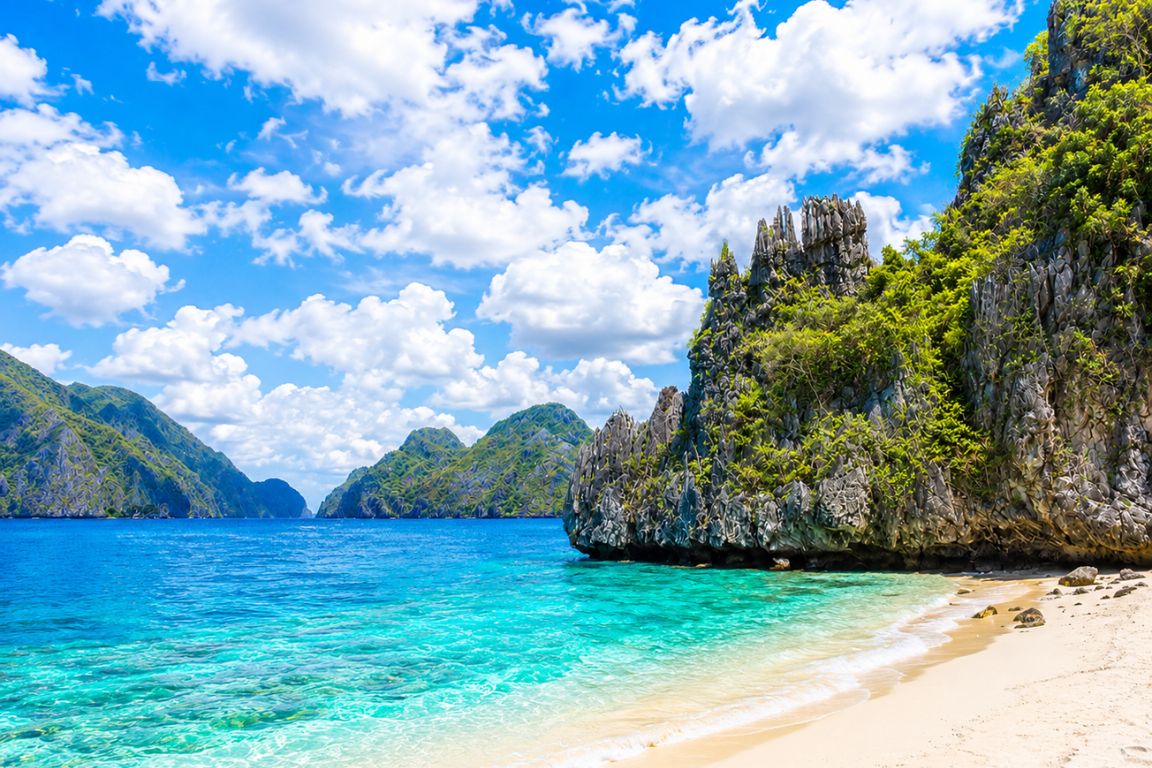
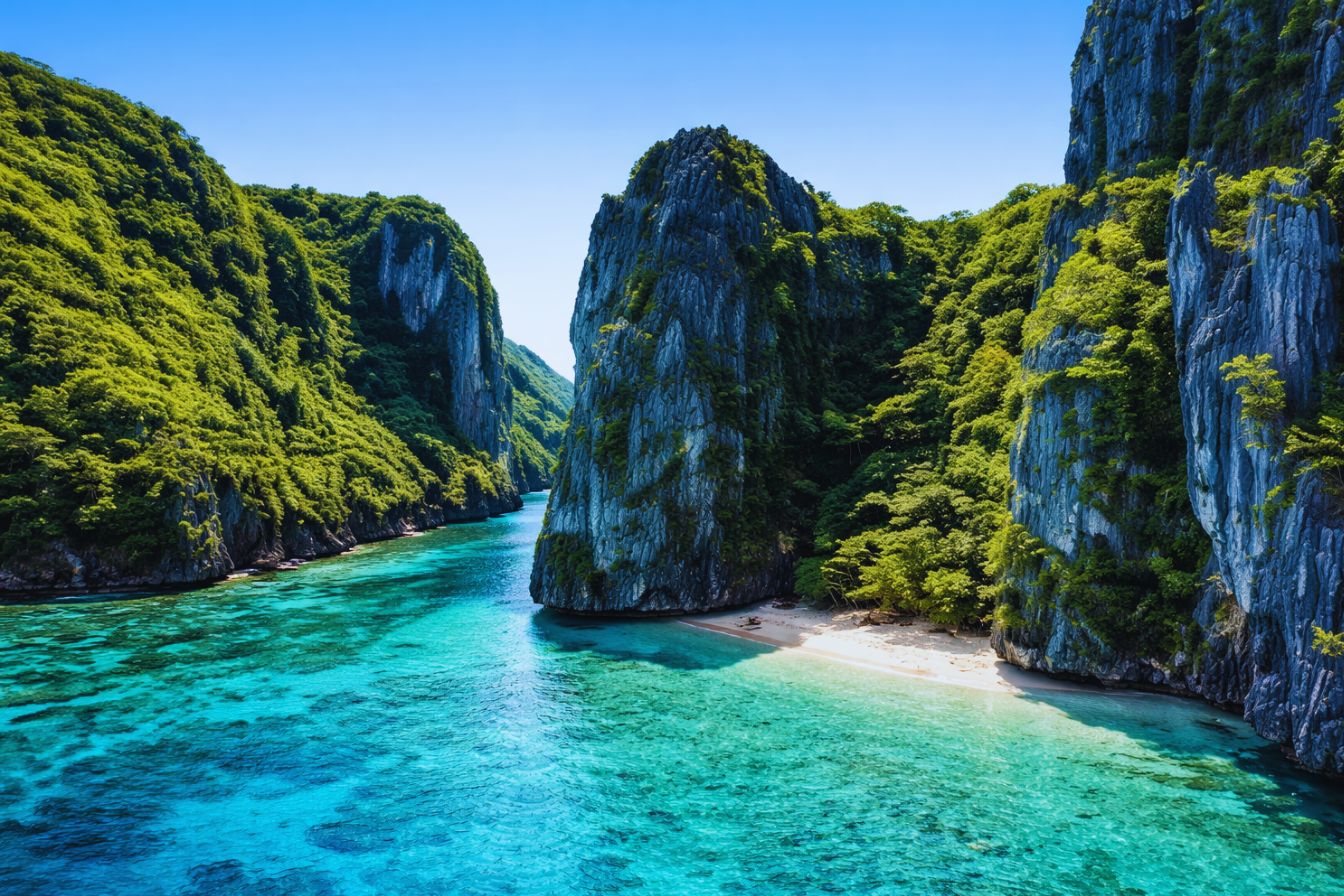 El Nido is a small coastal municipality at the northern tip of Palawan, Philippines, surrounded by the 45-island Bacuit Archipelago. It is known for its sheer karst limestone cliffs, hidden lagoons, white sand beaches, and one of the healthiest marine ecosystems in Southeast Asia. National Geographic named it one of the world’s best travel destinations as early as 2007, and the travelers who visit tend to come back for more of it.
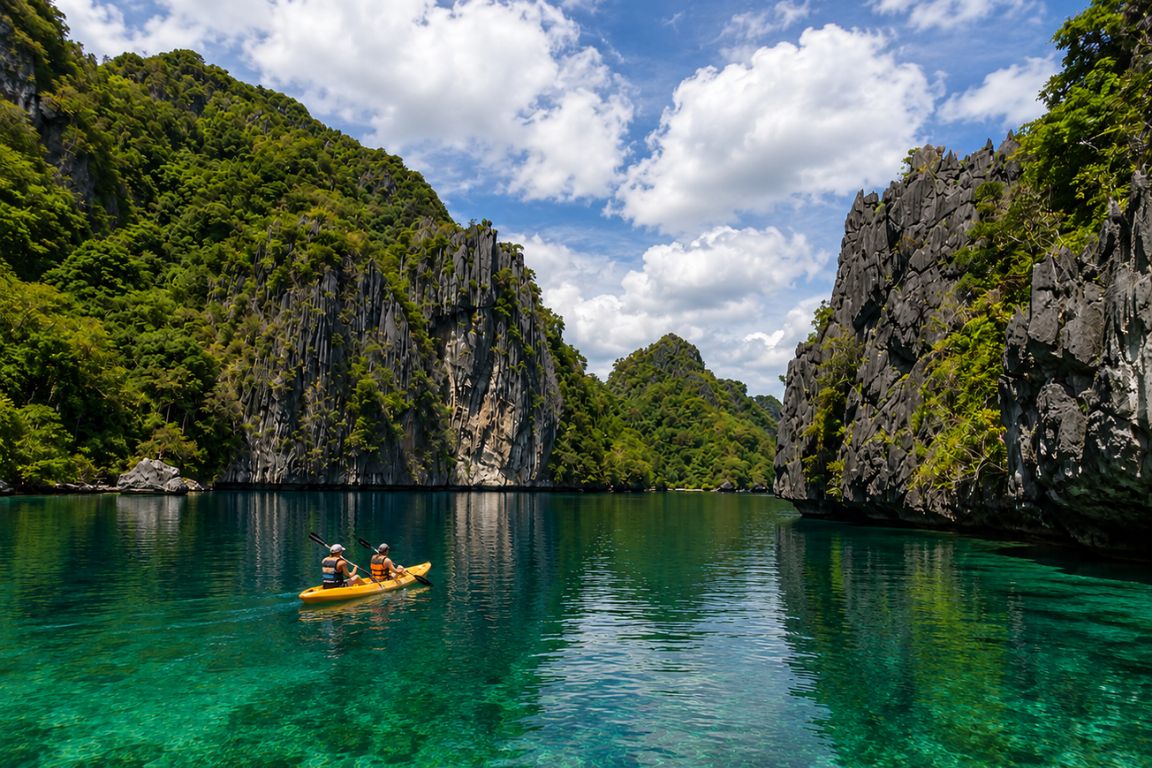
The first thing that catches you off guard about El Nido is the scale of the cliffs. Photos flatten them. You have to be sitting in a bangka boat, drifting beneath 200-metre limestone walls with jungle spilling off the top, to understand what the fuss is about. The rock formations rise straight out of the water - no gradual slope, no warning. Just sea, then wall.
The town itself is something else entirely. It’s loud, dusty, and packed. Tricycles weave between tourists and locals, restaurants overflow onto the street, and every second door seems to be a dive shop or tour operator. Travelers who come expecting a quiet village are surprised. But the town is just the launching pad. The real El Nido is 15 minutes offshore by boat.
Within the protected El Nido-Taytay Managed Resource Protected Area - 360 square kilometers of land and sea - rare marine species still thrive, including Irrawaddy dolphins and dugongs. The protected status is why the water clarity is what it is. It’s enforced. Plastic is restricted. Visitor numbers at lagoons are capped. That management is a big part of why travelers leave saying they’ve never seen anything like it.
We’ve been guiding people through these islands since 2014. The ones who love it most are the ones who slow down enough to notice the details: the way the lagoon walls shift color by the hour, the silence inside the Small Lagoon when the tour groups thin out, the feeling of paddling around a karst corner into a beach no road has ever touched. If you’d rather hand the logistics to someone who’s done this 8,200 times, our team at El Nido Tours handles everything from island hopping permits to private boat arrangements.
When Is The Best Time To Visit El Nido?
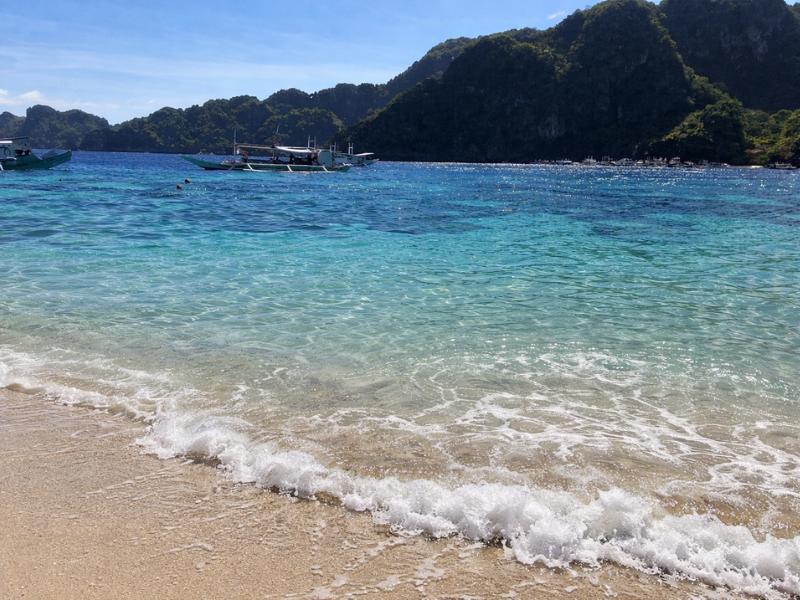
The best time to visit El Nido is November through April, the dry season. These months bring calm seas, minimal rain, and ideal conditions for island hopping and snorkeling. December through March is peak season - expect crowds and higher prices but the most reliable weather. The wet season (June to October) offers lower costs and fewer tourists, though afternoon storms can occasionally cancel tours.
The climate here divides cleanly into two modes. Dry season runs roughly November to April. Temperatures sit around 27-30°C, humidity drops to a manageable level, and the Bacuit Bay stays calm enough for smooth bangka rides across the archipelago. February and March are the standout months: almost no rain, clear visibility in the water, and a calm that makes the lagoons reflect the cliffs like mirrors.
April and May are still dry but heat up noticeably, often reaching 32°C. More Filipino domestic tourists arrive during Holy Week. The crowds are worth knowing about if you’re planning for that window.
June kicks off the wet season. The island greens up fast and looks spectacular in the rain, but the southwest monsoon brings afternoon storms and rougher swells. Most island hopping tours still run in the mornings, but cancellations happen. July through September is the wettest stretch, and some sites become inaccessible during heavy swells. If you visit this time of year, go in knowing your itinerary might flex.
Month-by-Month El Nido Overview
| Nov-Dec | Dry, warm, calm seas | Building to peak | Excellent - book early for Dec |
| Jan-Mar | Best visibility, minimal rain | Peak season | Best overall conditions |
| Apr-May | Hot, still mostly dry | Moderate-high | Good, but hot - budget extra water |
| Jun-Aug | Wet, afternoon storms | Low | Budget-friendly, flexible mindset needed |
| Sep-Oct | Wettest months, rougher seas | Very low | Avoid if possible - highest cancellation risk |
One thing the guidebooks tend to gloss over: even in peak season, weather in El Nido can turn fast. A morning that looks perfect at 8am can get choppy by noon. Our guides check conditions daily and will redirect the route when needed on Tour A and the other island days. It’s part of running tours out here for over a decade.
Want to know which season delivers the most out of an El Nido island-hopping trip without the monsoon cancellations? Here’s our best time to visit El Nido tours guide so you don’t book the wrong time of year.
How Do You Get To El Nido From Manila Or Puerto Princesa?
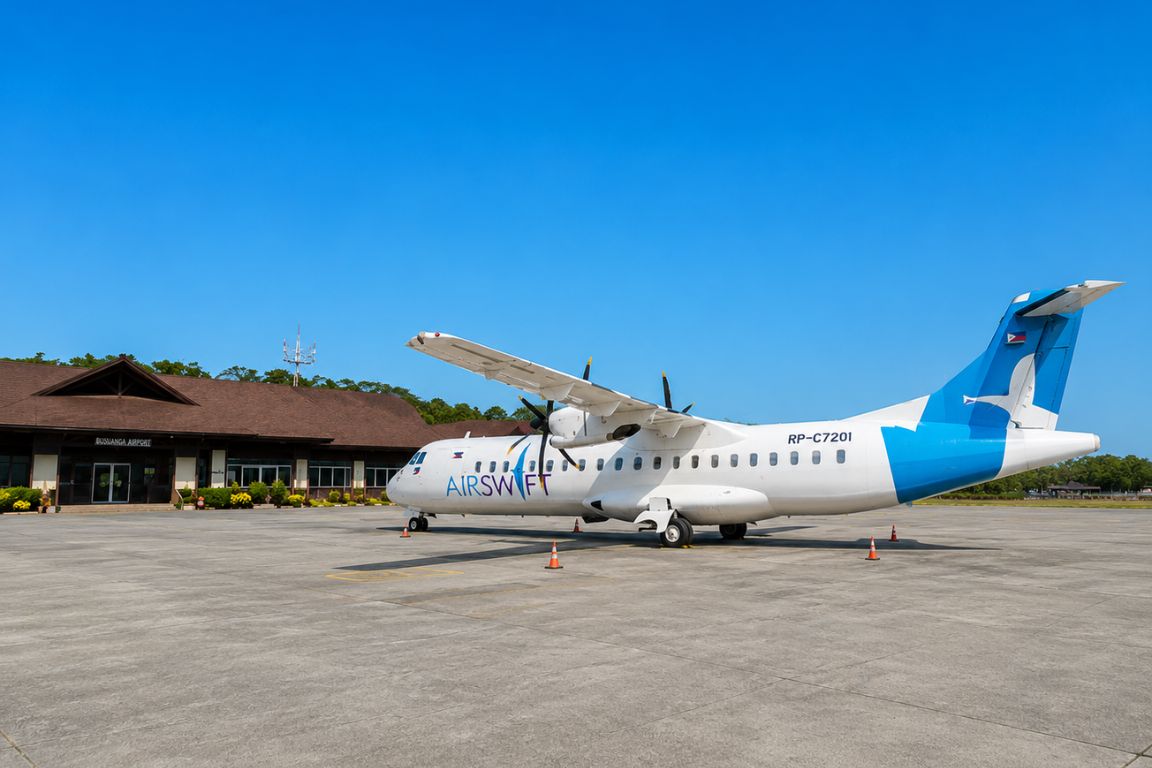 There are two main routes to El Nido from Manila: a direct 1.5-hour flight to El Nido Airport (ENI), or a cheaper combination of a 1.5-hour flight to Puerto Princesa (PPS) followed by a 5-6 hour shared van. The direct flight is faster and worth the premium for most travelers. From Puerto Princesa, shared vans start from around PHP 705 per person; private vans run PHP 8,000-9,000 total for a group.
Flying direct to El Nido Airport is the cleanest option. The airport sits 3.9 km from town, the planes are small prop aircraft, and the approach over the karst coastline is worth a window seat. Direct flights from Manila run about 1.5 hours. Fares vary significantly, so booking a few weeks out makes a real difference in price.
The Puerto Princesa route is the budget standard. Fly Manila to PPS (plenty of carriers, starting around PHP 1,350 one-way in advance), then take a shared van from the airport to El Nido. The ride takes 5 to 6 hours through the center of Palawan - a long stretch, but the scenery through the island’s spine is genuinely beautiful. Multiple van companies operate the route, with shared seats starting around PHP 705. Private vans cost more but pick you up at the airport and drop you at your hotel in El Nido, which matters after a long travel day.
One thing worth knowing: shared minivans cannot enter El Nido town directly due to narrow roads. The drop-off is at the El Nido Transport Terminal. From there, a tricycle into the town center costs about PHP 100.
A third option: the Coron to El Nido ferry. It operates 4-5 times a week and takes 7-10 hours depending on sea conditions. Worth it if Coron is part of a longer Palawan circuit, but it’s a slow and sometimes rough ride. Weather-dependent cancellations are common on this route.
Trying to decide between El Nido’s hidden lagoons and Coron’s world-class wreck diving and lake scenery? Check out our El Nido vs Coron guide before you commit to either.
How Many Days Do You Need In El Nido?
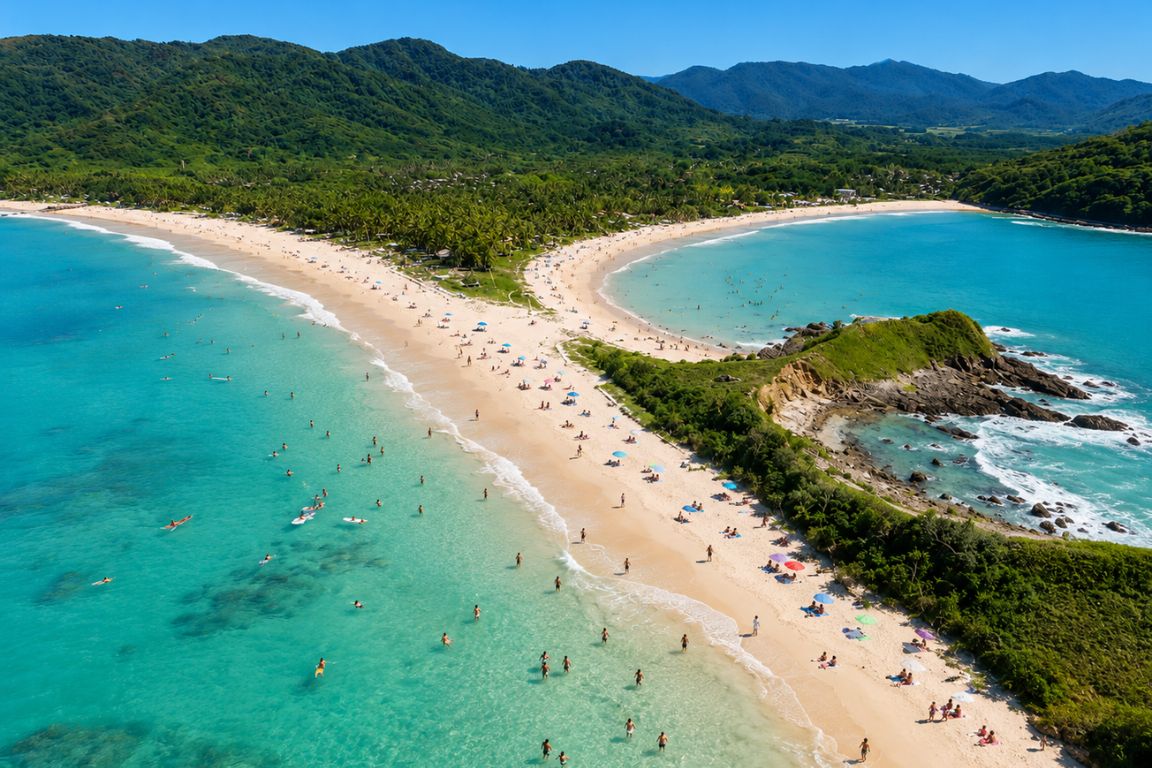 Three days is the minimum to do El Nido justice - enough for Tours A and C plus some independent beach time. Four to five days is the sweet spot for most travelers, covering three tours and leaving a day to decompress, hike Taraw Cliff, or explore Nacpan Beach. If you want all four island hopping tours plus genuine downtime, plan for five to six days.
The most common regret we hear from travelers who left El Nido early: they didn’t budget enough time. Three days feels right on paper until you’re here and realize one tour takes a full day, the ATM ate your card, and the afternoon you planned to spend at Nacpan Beach got rained out. Padding your itinerary by a day isn’t being cautious. It’s being smart.
Here’s how the days actually break down in practice:
- Day 1: Arrive, check in, pay your ETDF, settle. Explore El Nido town, eat at the seafood stalls near the basketball court, get your bearings. Book tours for the following days if you haven’t already.
- Day 2: Tour A. The classic route, best done early in your trip so you have something to compare everything else against.
- Day 3: Tour C. The outer islands. Most of our travelers rate this their favorite day by the end of the trip.
- Day 4: Nacpan Beach, Taraw Cliff hike, or Tour B - depends on your energy and interests.
- Day 5: Tour D or a free day. Dive, snorkel independently, rent a scooter and explore inland. Then depart.
Note that Taraw Cliff hike and island hopping cannot be combined on the same day - the via ferrata route runs 8am to 4pm and the tours overlap. Plan one or the other per day.
Not sure how much time to set aside for El Nido without either rushing the islands or running out of things to do? Here’s our how many days do you need in El Nido tours guide so you plan the right length stay.
What Are The Best El Nido Island Hopping Tours?
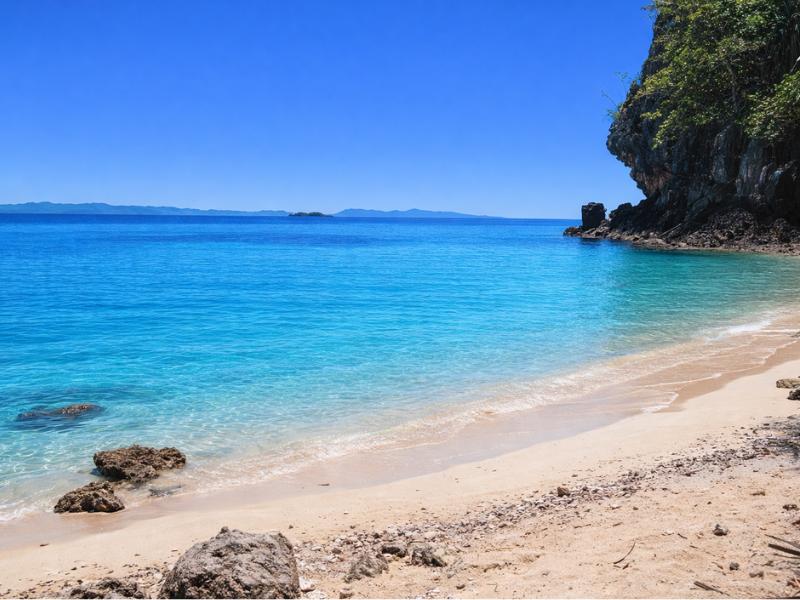
The best El Nido island hopping tours are the four official routes: Tour A (lagoons), Tour C (outer beaches and hidden coves), Tour B (caves and sandbars), and Tour D (quieter lagoons near Cadlao Island). For most travelers, Tour A and Tour C are the non-negotiables. All four tours depart by bangka boat from El Nido town beach, run roughly 9am to 5pm, and include lunch and snorkel gear.
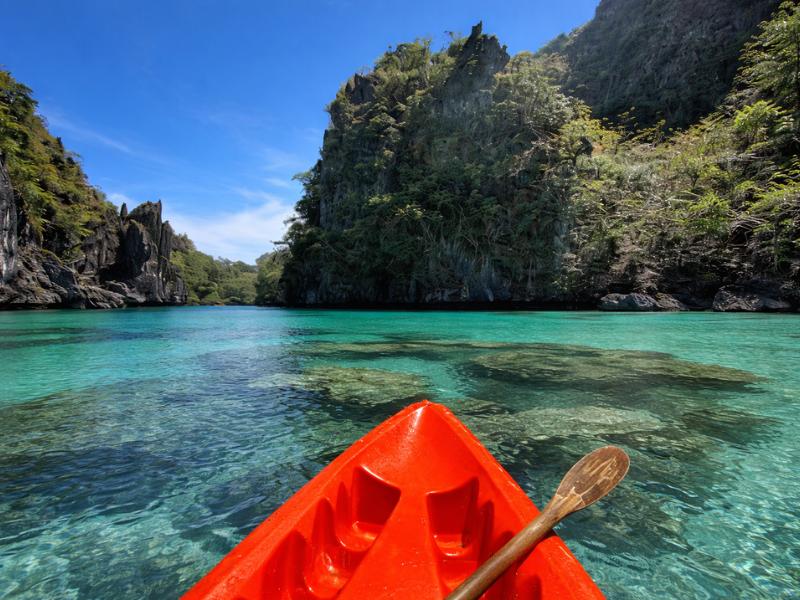
Island hopping in El Nido is not like island hopping elsewhere in the Philippines. The destinations here are genuinely extraordinary. You’re not paddling to a pretty beach and back. You’re entering enclosed lagoons through cracks in limestone cliffs, snorkeling over healthy coral gardens, and stopping at beaches that require swimming through a rock opening to reach. The four official tours divide the Bacuit Archipelago into geographic zones - each one genuinely different from the others.
All tours depart from El Nido Beach in town, run nine to five, and include a lunch of freshly grilled seafood and rice on a beach or sandbar. Snorkel masks and fins are usually included, though quality varies by operator. Every tour requires the one-time ETDF (PHP 400) and may include additional site-specific entrance fees.
If you’re traveling in peak season, book in advance. Tour A (book group tour Explore Tour A: Big Lagoon And Island Beaches or private tour Explore Private Tour A With Lunch) in particular runs with packed boats in December through February. A good operator makes a real difference in how the day flows. We’ve been getting travelers onto these waters since 2014. Let us sort out the details.
There’s a real difference between a well-run El Nido island-hopping tour and a rushed cattle boat between lagoons - our best El Nido island hopping tours guide breaks down which operators consistently deliver and what separates them.
What Are Tours A, B, C, And D, And Which One Is Right For You?
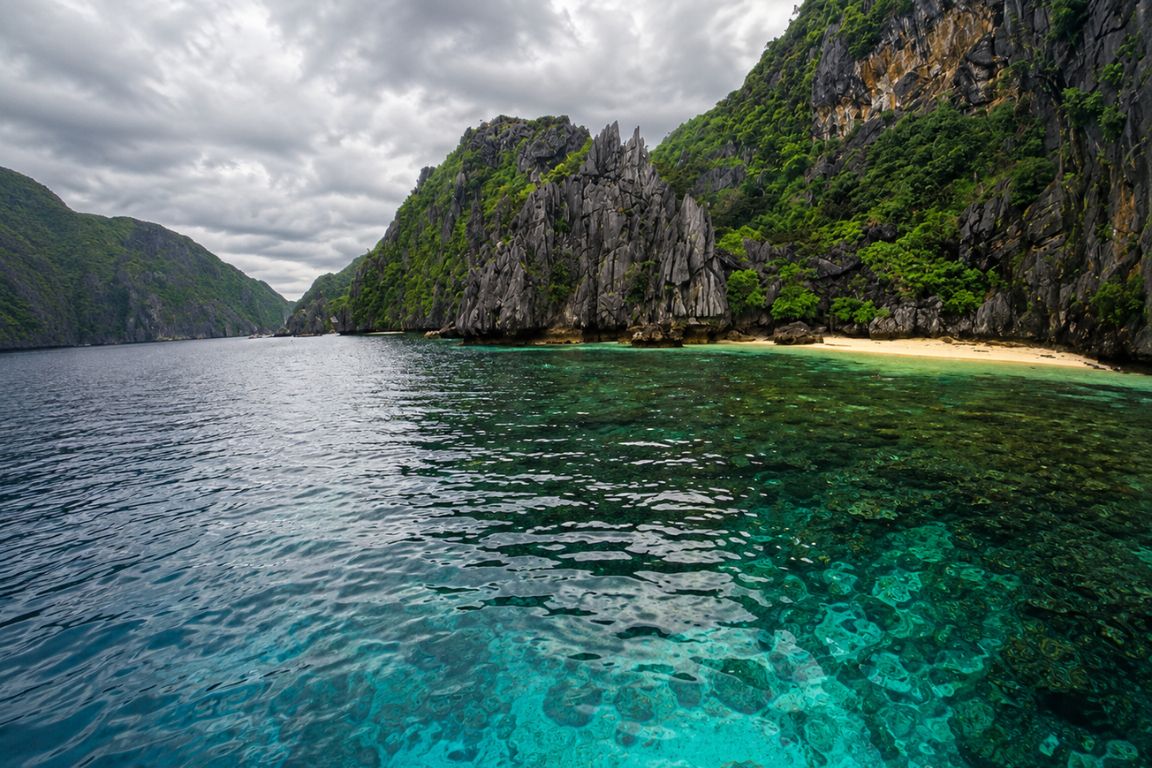 Tour A covers Big Lagoon, Small Lagoon, Secret Lagoon, Seven Commandos Beach, and Shimizu Island - the definitive first-timer’s route. Tour C is the outer islands: Secret Beach, Hidden Beach, Helicopter Island, and Matinloc Shrine. Tour B is less crowded, featuring Snake Island, Cudugnon Cave, and Entalula Beach. Tour D focuses on Cadlao Lagoon, Small Lagoon, and quieter beaches near Cadlao Island.
Here’s how the four tours actually compare when you’ve run them back to back for years:
| Tour A | Big Lagoon, Small Lagoon, Secret Lagoon, Seven Commandos Beach, Shimizu Island | High | First-timers, iconic experience | PHP 1,200 + PHP 200 lagoon fee |
| Tour B | Snake Island, Cudugnon Cave, Entalula Beach, Pinagbuyutan Island | Low-Medium | History lovers, cave enthusiasts, quieter experience | PHP 1,200 |
| Tour C | Secret Beach, Hidden Beach, Helicopter Island, Matinloc Shrine, Star Beach | Medium-High | Snorkelers, outer island explorers | PHP 1,200-1,600 |
| Tour D | Cadlao Lagoon, Small Lagoon, Pasadigan Cove, Natnat Beach | Low | Second visit, quieter day, lagoon lovers | PHP 1,200 + PHP 200 lagoon fee |
*Prices verified June 2026. ETDF (PHP 400) required separately and valid for all tours for 10 days. Kayak rental for lagoon entry approximately PHP 150 extra.
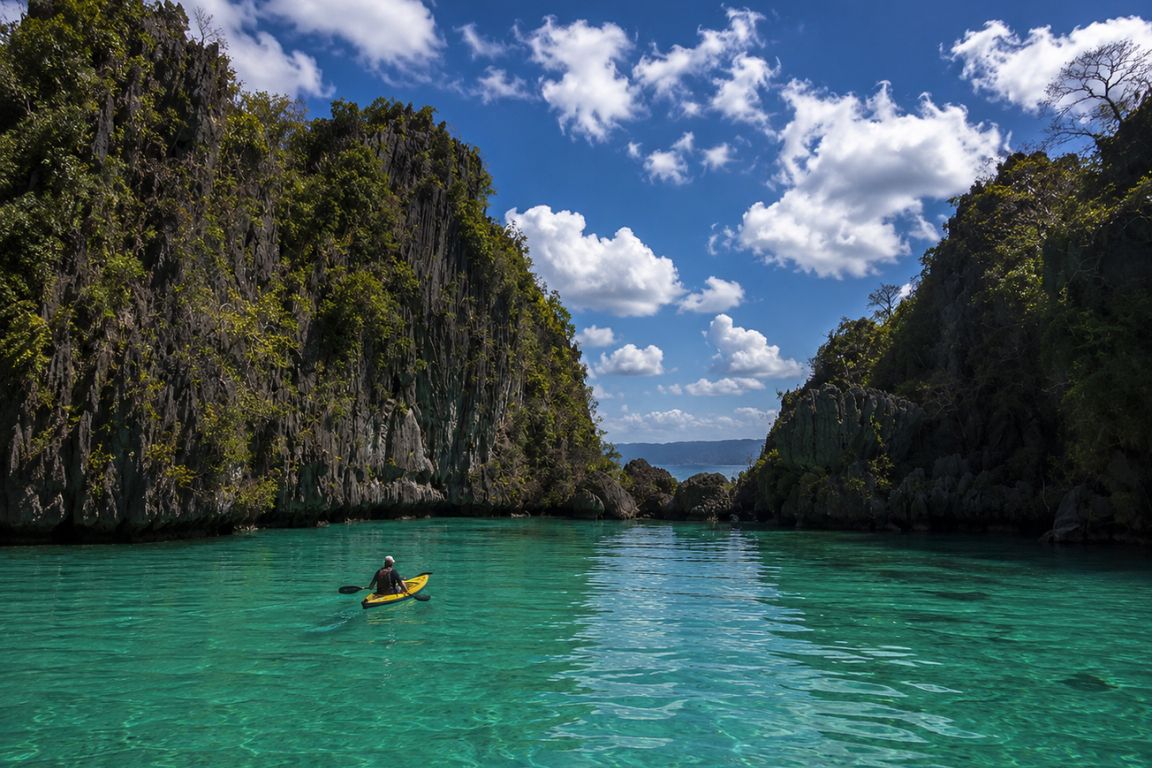
Tour A is the one everyone does first. The Big Lagoon is as dramatic as advertised - high walls, still water, the feeling of being inside something ancient. But it gets crowded by mid-morning. Going with a good operator who leaves early and manages the route order makes a substantial difference.
Tour C (book group tour Explore El Nido Tour C: Hidden Beaches and Shrine or private tour Explore El Nido Private Tour C with Lunch) surprises people. The outer islands are further from town, the beaches are more remote, and snorkeling quality around Helicopter Island and the Matinloc wall is exceptional. Most of our travelers who’ve done both rank Tour C as their favorite once the week is over.
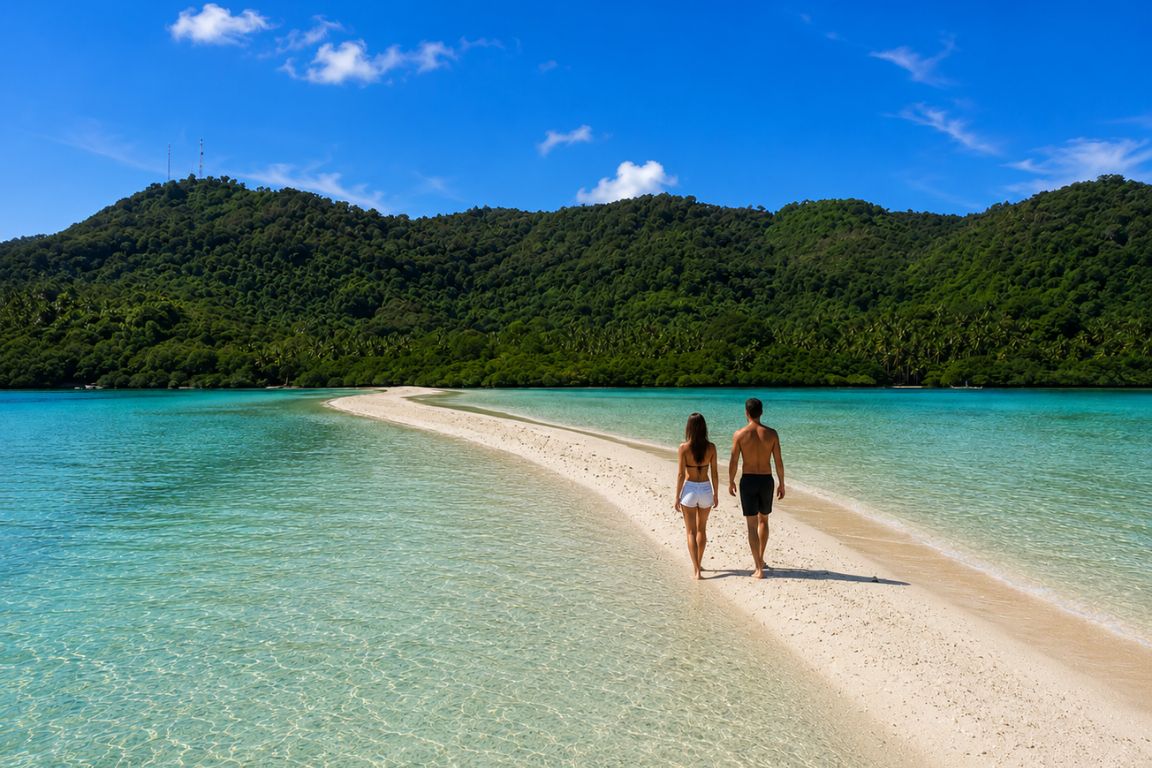
Tour B (book group tour Explore El Nido Tour B: Caves and Snake Island or private tour Explore El Nido Private Tour B with Lunch) is the underrated one. Snake Island’s sandbar appears at low tide between two islands - it’s a strange and beautiful thing, walking a curved stripe of sand with open sea on both sides. Cudugnon Cave has archaeological significance going back thousands of years. This tour draws fewer people, which means more space at every stop.
Tour D (book group tour Explore El Nido Tour C: Hidden Beaches and Shrine or private tour Tour D Shared/Private Options) is quieter and a better second-or-third-day option once you’ve done the flagship lagoons. The lagoon water quality at Cadlao is excellent. Pace is more relaxed. One review we consistently see from our Tour D guests: “I thought this would be the weakest day. I was wrong.”
All four El Nido tours look similar on paper but cover completely different ground - our Tour A vs B vs C vs D guide breaks down exactly what each route includes and which one suits different types of travellers.
What Permits And Fees Do You Need Before You Go?
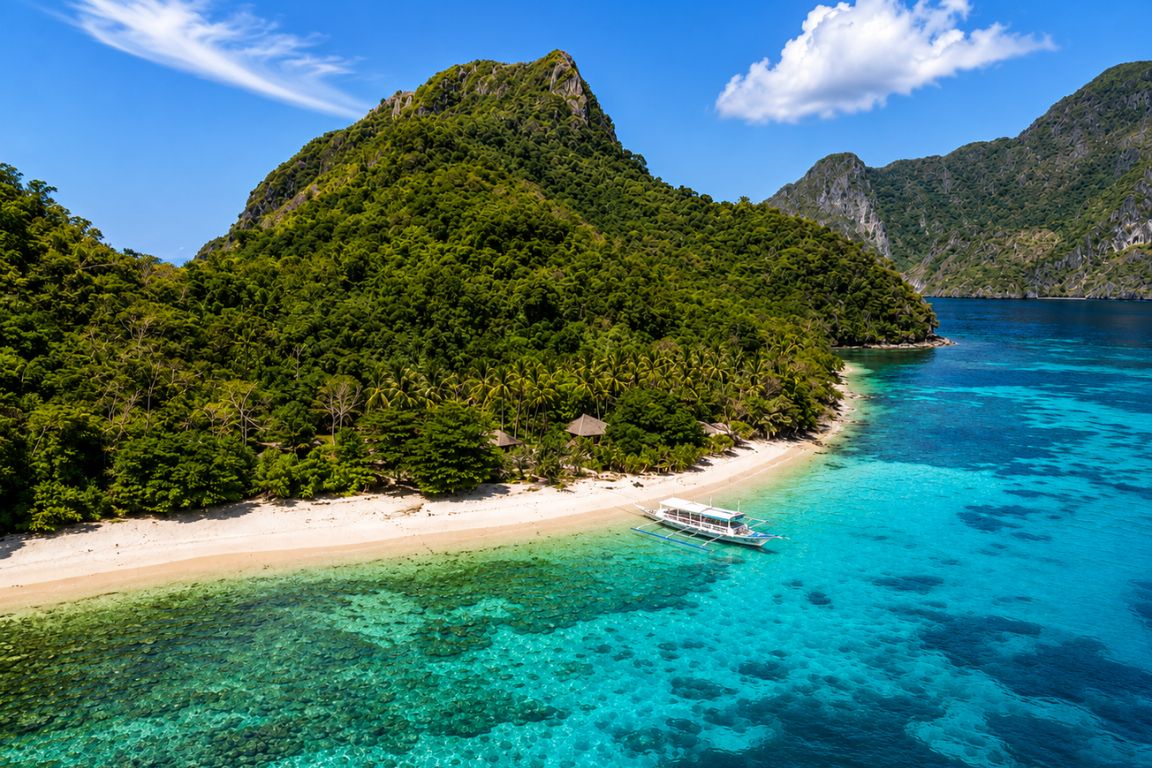 Every visitor to El Nido must pay the Eco-Tourism Development Fee (ETDF) of PHP 400 per person before joining any tour. This is a one-time fee, valid for 10 days, and covers all island hopping tours during your stay. Additionally, the Big Lagoon and Small Lagoon each charge a PHP 200 entrance fee per visit. Kayak rental to enter the lagoons costs approximately PHP 150 extra.
The ETDF is collected by the El Nido Municipal Tourism Office. Pay it on arrival before your first tour - most operators confirm you’ve paid before departure. Keep the receipt. You’ll need it at multiple checkpoints.
The lagoon fees are a newer addition. Big Lagoon and Small Lagoon both charge PHP 200 per person per entry. These are on top of the ETDF and on top of your tour price. Factor them into your budget before you arrive.
The Matinloc Shrine on Tour C also has a small entrance fee, typically included in the tour package or collected separately on the day. Fees here are modest but the total adds up if you’re doing multiple tours across a 5-day trip.
| ETDF (Eco-Tourism Development Fee) | PHP 400 | One-time, valid 10 days. PHP 500 for stays over 10 days |
| Big Lagoon Entrance | PHP 200 | Per person, per visit |
| Small Lagoon Entrance | PHP 200 | Per person, per visit |
| Kayak Rental (lagoons) | ~PHP 150 | Required to enter lagoons; rented on-site |
| Island Hopping Tour (A/B/C/D) | PHP 1,200-1,600 | Per person; includes lunch and snorkel gear |
All fees verified June 2026 against El Nido Municipal Tourism Office records.
One thing that catches travelers off guard: El Nido runs almost entirely on cash. The town has 2-3 ATMs. They run out regularly, especially on weekends and during peak season. Bring enough pesos from Manila or Puerto Princesa to cover your full stay without relying on ATMs. PHP 5,000-8,000 per person for a 4-day trip is a reasonable buffer beyond tours.
Want to know what El Nido’s secret beach and hidden lagoon route actually delivers before you add it to your itinerary? Here’s our El Nido Tour C guide so you arrive knowing what to expect.
Where Should You Stay In El Nido?
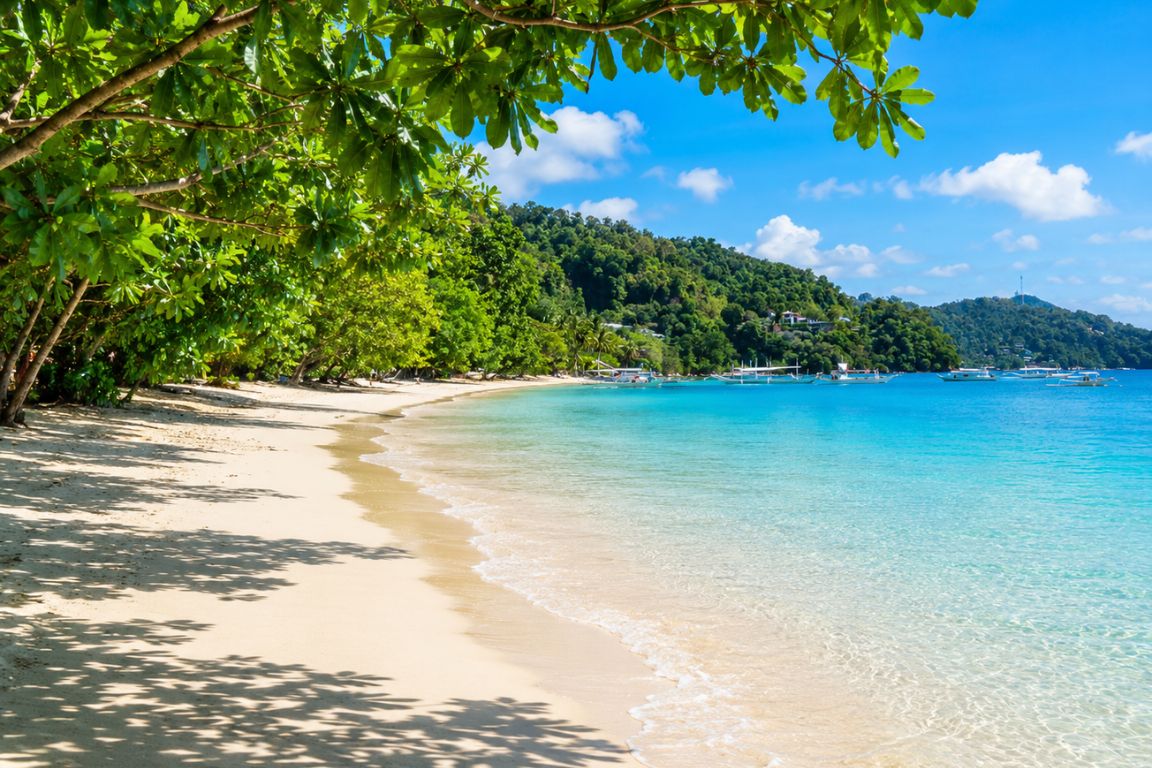 El Nido has four distinct accommodation zones: El Nido Town (most convenient for tours, no beach), Corong Corong Beach (quieter, good sunsets, short tricycle to town), Lio Beach (family-friendly, resort-style, 15 minutes from town), and Nacpan Beach (remote, minimal infrastructure, stunning stretch of sand). First-timers staying for island hopping do best in El Nido Town or Corong Corong. Families and those wanting a beach base do better at Lio.
The decision comes down to what you’re optimizing for. Tour convenience, beach access, and peace are in direct tension in El Nido - you can’t have all three in one location.
El Nido Town puts you 5 minutes’ walk from the departure pier. Everything is accessible: restaurants, dive shops, tour operators, pharmacies. The trade-off is noise and no beach. The town beach is operational but not somewhere you’d choose to swim if you had other options. Ideal for travelers whose main goal is getting on the tours efficiently.
Corong Corong Beach is a 5-minute tricycle ride south of town. Quieter, more affordable, and the sunsets from here are legitimately excellent. The beach is shallow at low tide, but the atmosphere is a step removed from the town chaos. Good option for travelers wanting both access and a bit of peace.
Lio Beach is a manicured resort zone about 15-20 minutes from town, right next to the airport. The beach is long and swimmable, the accommodation quality is higher, and it genuinely works well for families. More expensive than town accommodation. A tricycle to town costs around PHP 100-150 each way.
Nacpan Beach offers a more remote base north of town, with a long beachfront and a transfer to arrange for town-based departures. Check current room options and the actual travel time from the property you choose before committing to daily island tours.
Wondering whether the beachfront resorts outside of town are worth the extra transfer hassle or whether staying central makes the island-hopping logistics significantly easier? This where to stay in El Nido tours guide covers what most booking sites don’t spell out.
What Do Most Visitors Get Wrong About Planning An El Nido Trip?
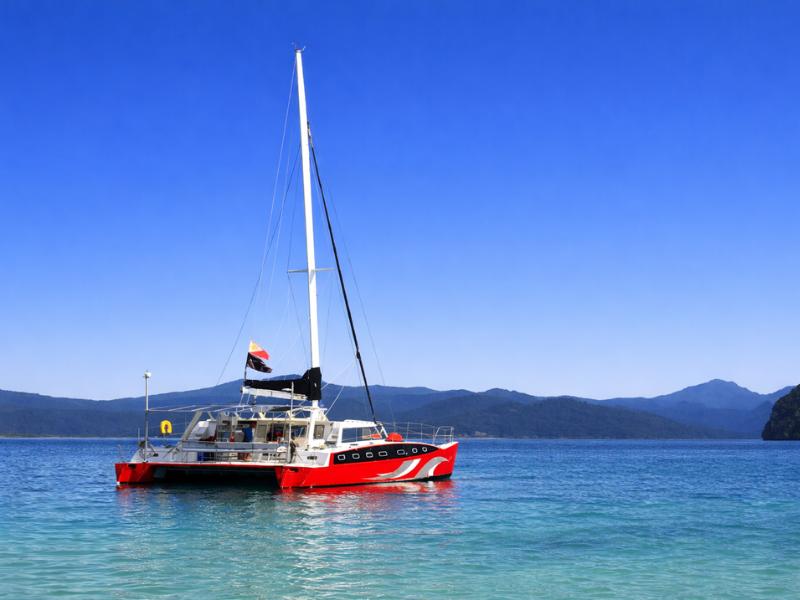
The most common mistakes are underestimating travel time (the van from Puerto Princesa is a genuine 5-6 hours), not bringing enough cash, booking too few days, and treating all tour operators as interchangeable. The quality of your guide and boat crew shapes your entire experience - a rushed operator will push through stops without giving you time in the water, and you won’t know until you’re already out there.
After guiding over 8,200 travelers through these islands, the fail patterns are consistent. Here are the ones that matter most:
Not enough cash. This trips up almost everyone at least once. El Nido ATMs run dry on holiday weekends. The fees add up faster than the math looks on paper: ETDF, lagoon fees, kayak rental, tour cost, meals, accommodation deposit, tricycle rides. Arrive with at least PHP 5,000-8,000 in your pocket per person, independent of any online bookings.
Too few days. Three days feels like enough when you’re planning from home. It rarely feels like enough when you’re here and a morning storm delayed your first tour by two hours and now you’ve lost half a day. Four nights minimum. Five if you can.
Booking Tour A last. Tour A is the most iconic route. Most travelers should do it first, not save it. It calibrates your sense of the place. Everything after it is a variation on the theme; doing it first gives you something to compare.
First time booking El Nido island hopping and not sure whether Tour A should be your starting point? Here’s our El Nido Tour A guide so you decide with the full picture rather than just following the crowd.
Underestimating the van. The Puerto Princesa to El Nido van is 5 to 6 hours on a road that is partly sealed, partly not, with mountain curves and slow trucks. Some travelers book a 10am flight into Puerto Princesa and expect to arrive in El Nido by dinner. That works if nothing delays you. Budget a buffer.
Ignoring the guide quality difference. Tour prices from different operators look similar on the surface. The experience varies enormously based on the guide, the boat crew, and how the operator manages the route timing. A guide who gets you to Big Lagoon at 9am before the 15 other boats arrive is giving you a completely different experience than one who rolls up at 11am. This matters. It’s the main reason our repeat travelers book with us again.
Questions before you book? Compare Tour A and Tour C and see which days are open. Start here.
What Our Travelers Actually Do: Data from 2025 Client Groups
| Average nights stayed | 4.3 nights |
| Tours completed per visit | 2.8 (Tour A and C most common pairing) |
| First tour booked | Tour A - 78% of first-timers start here |
| Rated Tour C as favorite by end of trip | 61% |
| Travelers who wish they’d stayed longer | 54% (post-trip survey) |
| Main regret reported | Not bringing enough cash (39%), too few days (31%) |
| Preferred accommodation zone | El Nido Town (47%), Corong Corong (28%), Lio Beach (18%), Nacpan (7%) |
How Do You Book A Tour With El Nido Tours?
Booking with El Nido Tours is straightforward. Visit elnido.tours, select your dates and preferred tours, and the team confirms everything including permits, pick-up logistics, and group size management. Private tours, custom routes, and multi-day expeditions are available in addition to the standard A-D routes. Early booking is strongly recommended for peak season (December to March).
Booking through your accommodation or a street booth in El Nido Town works - there are dozens of operators running the same routes. What you’re choosing between is how the day is actually managed: group size, departure timing, guide experience, how route order is optimized against the crowds. These things directly affect what you see and how much time you actually spend in the water versus queueing to enter a lagoon.
We run both group and private tours. Private boat arrangements are worth considering for couples, families, or groups who want to control the pace and access sites when other boats aren’t there yet. Our guides have been running these routes since founding in 2014 - the early departure advantage alone is something most travelers report as the single biggest factor in their experience at Big Lagoon.
We’ve put together a full breakdown in our private El Nido tours guide so you know exactly what’s included, how the pricing works per person, and which operators actually deliver on the private experience.
To book: elnido.tours. We answer questions daily and can help you figure out which tour combination makes sense for your specific trip length and interests.
Frequently Asked Questions
Do I need to book tours in advance?
Once your dates are known, check the route and operator you want before arranging the rest of that day. Availability and booking deadlines vary by departure; use the exact listing rather than relying on a seasonal lead-time rule.
Is El Nido safe for solo travelers?
Yes. El Nido is considered safe and friendly, including for solo travelers. The town is busy and well-lit, guides on tours are used to solo guests, and the traveler community here is active and social. The main practical concerns are the usual ones: watch your valuables in town, don’t leave phones on boat rails, and keep your cash somewhere dry.
Can I do all four tours in three days?
The four full-day tours in this shortlist require four separate activity days. With three days, choose the routes that matter most and account for arrival, departure and any rest time.
What’s the difference between group and private tours?
Group tours run with 15-25 people per bangka and follow a fixed route. Private tours give you your own boat, your own schedule, and the ability to linger at stops your group wants to return to. Private costs more but the quality difference is significant, particularly at sites that get crowded with multiple group tours arriving simultaneously.
Are the lagoon fees paid on top of the tour price?
Yes. The ETDF (PHP 400) and individual lagoon entrance fees (PHP 200 per lagoon) are separate from the tour price. Some operators include lagoon fees in their quoted price; many don’t. Clarify this at booking. Budget for both regardless.
Can I snorkel without a tour?
Some beaches near El Nido town and along Caalan Beach have accessible snorkeling. But the best marine sites - around Shimizu Island, Helicopter Island, and the lagoon walls - require a tour boat to reach. Independent kayak rentals are available for nearby spots, but the signature El Nido snorkeling experience is part of the island hopping circuit.
Ready to plan your El Nido trip?We’ve been guiding travelers through the Bacuit Archipelago since 2014 - over 8,200 people and counting. Whether you want a tailored 4-day private itinerary or just a single island day, Tour A and the private lagoon boat are the usual starting points. Visit elnido.tours to get started. Written by Ethan Reyes
Philippine tour guide since 2014 · Founder, El Nido Tours
Ethan has guided over 8,200 travelers through El Nido, the Bacuit Archipelago, and Palawan since founding the agency.