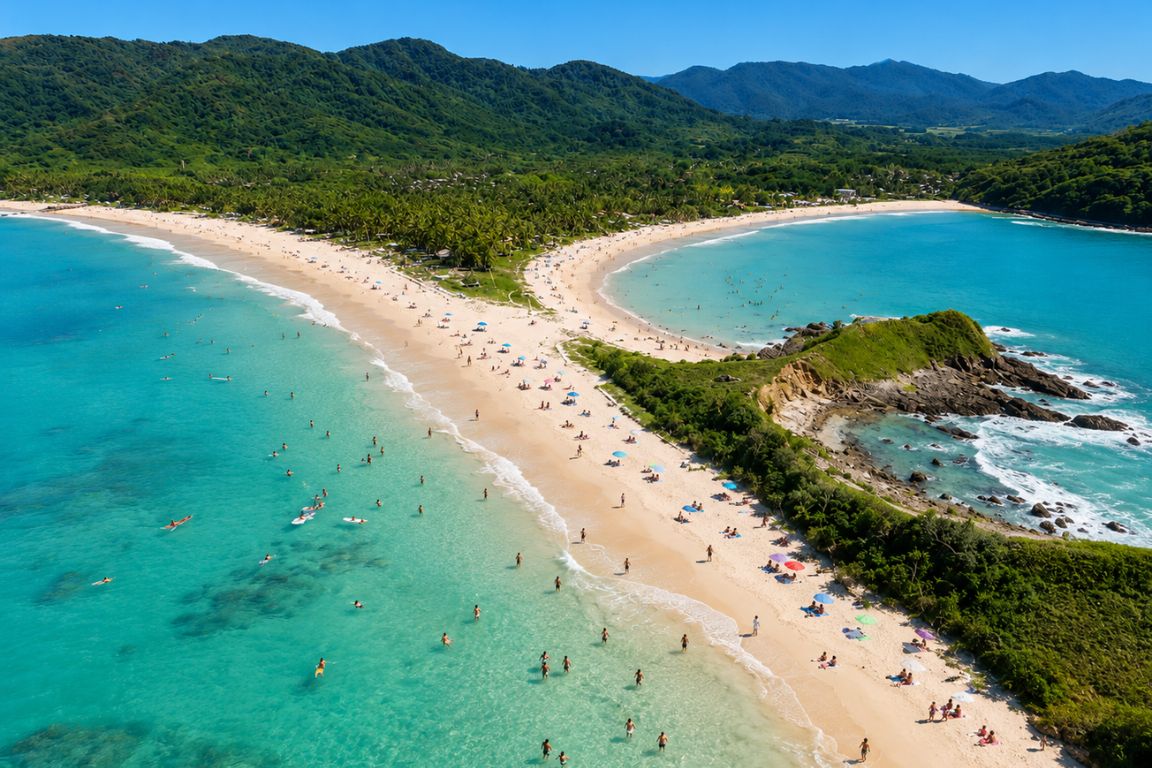
Best Time To Visit El Nido
The best time to visit El Nido is during the dry season from November to April, when calm seas and reliable weather create the best conditions for island hopping and snorkeling.
Choose your season first, then give the boat day a flexible place in your stay and keep a mainland option in mind. Compare Your El Nido Options Below.
Last updated: July 29, 2026
The best time to visit El Nido is November through April, the dry season. February and March deliver the most reliable weather, calmest seas, and best overall conditions for island hopping. January is equally good but pricier and busier. Avoid Christmas week, Holy Week, and Chinese New Year if crowds are a concern. The wet season (June to October) brings lower prices and quieter beaches but genuine risk of tour cancellations. For diving, April to June has peak water visibility.
| January | Dry, 27°C, calm seas | Very high | Peak | Excellent weather, busy and expensive |
| February | Dry, 27°C, minimal rain | Very high | Peak | Best overall conditions, book months ahead |
| March | Dry, 28-29°C, sunny | High | High (Easter spike) | Sweet spot: great weather, fewer crowds than Jan-Feb |
| April | Hot, 29-32°C, still dry | High (Holy Week) | High (Easter spike) | Best diving visibility; avoid Holy Week |
| May | Hot, 30-32°C, transitioning | Moderate | Shoulder | Good value, some rain risk later in month |
| June | Wet season begins, afternoon rain | Low | Low | Early June workable; late June risky |
| July-August | Heavy rain, rough seas | Very low | Lowest | Avoid for island hopping; budget travel only |
| September-October | Wettest/typhoon season | Very low | Lowest | Highest cancellation risk; avoid |
| November | Transitioning, improving fast | Low-building | Shoulder | Late November is a genuine sweet spot |
| December | Dry, 27-31°C, good conditions | High (Christmas spike) | Peak (Christmas week) | Early December excellent; Christmas week hectic |
Temperature data sourced from Philippine Atmospheric, Geophysical and Astronomical Services Administration (PAGASA) historical records. Verified June 2026.
- Choose your travel window with the seasonal guide, then keep boat days flexible.
- Tour A is a lagoon option; Tour C is an outer-island outing. Neither is weather-proof.
- For adults wanting a land day, the Nacpan adventure is a different activity rather than a guaranteed bad-weather replacement.
When Is The Best Time To Visit El Nido?
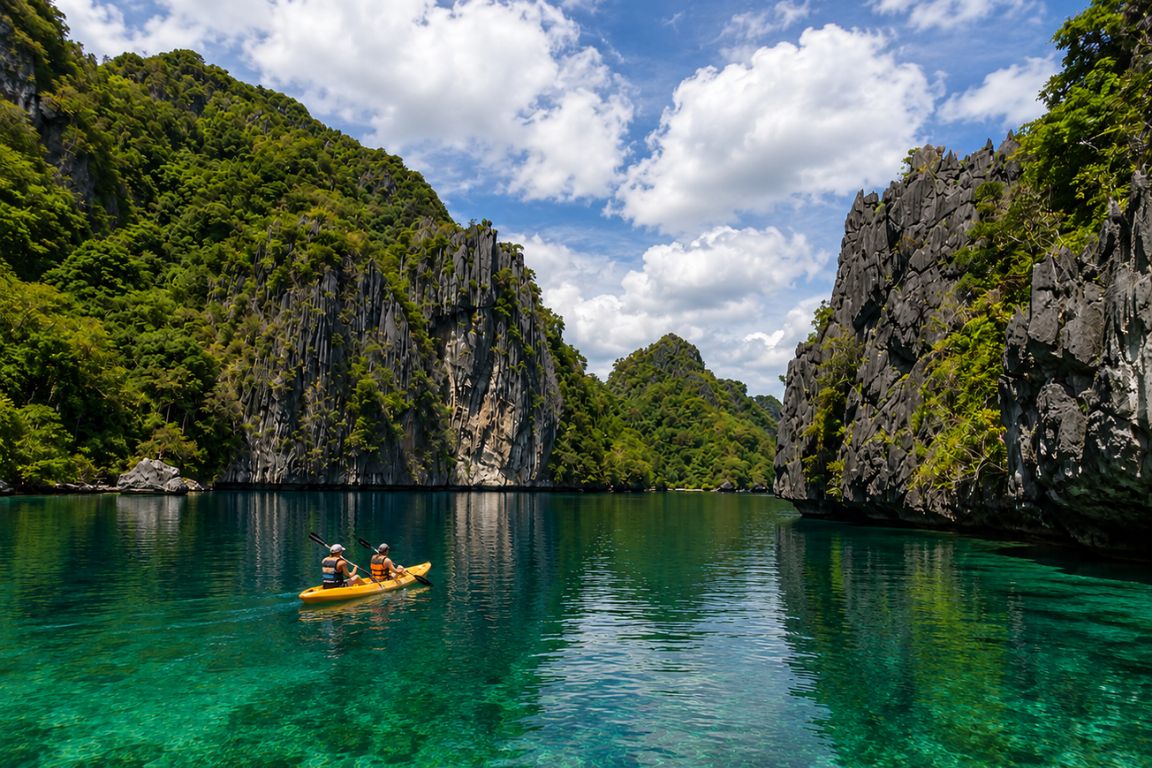 The best time to visit El Nido is during the dry season, which runs from November through April. Within that window, February and March are the standout months: minimal rainfall, calm seas, consistent sunshine, and the most reliable conditions for island hopping across all four tours. January is equally good for weather but comes with peak crowds and peak prices. Late November and early December offer a useful sweet spot of good conditions with lighter traffic.
El Nido operates on a straightforward tropical calendar. For roughly six months of the year, the northeast monsoon, locally called the Amihan, keeps the skies clear and the sea flat. For the other six months, the southwest monsoon, the Habagat, pushes rain and swell across Palawan from the opposite direction. The line between seasons isn’t sharp, and the transition months of May and November can go either way on any given week.
What makes the dry season so decisive for El Nido isn’t just comfort. Island hopping here depends on boat access to specific sites. The Big Lagoon, Secret Beach, and the outer island chain of Tour C all require calm water to reach safely. When the swell builds in wet season, the coastguard restricts departures. Tour C (book group tour Explore El Nido Tour C: Hidden Beaches and Shrine or private tour Explore El Nido Private Tour C with Lunch), which travels the furthest from town, is the first to be cancelled when conditions deteriorate. You can be sitting in El Nido town with your bags packed, your tour booked, and a weather window that simply won’t open. That’s the genuine wet season risk, and it’s worth knowing before you plan.
The answer isn’t as simple as “avoid wet season entirely.” But for island hopping to be the centrepiece of your trip, the dry season is when that promise holds.
We’ve put together a full stop-by-stop breakdown in our El Nido Tour C guide so you know exactly what each location delivers and how to time the day to avoid the biggest tour group bottlenecks.
What Is El Nido Like In The Dry Season (November To April)?
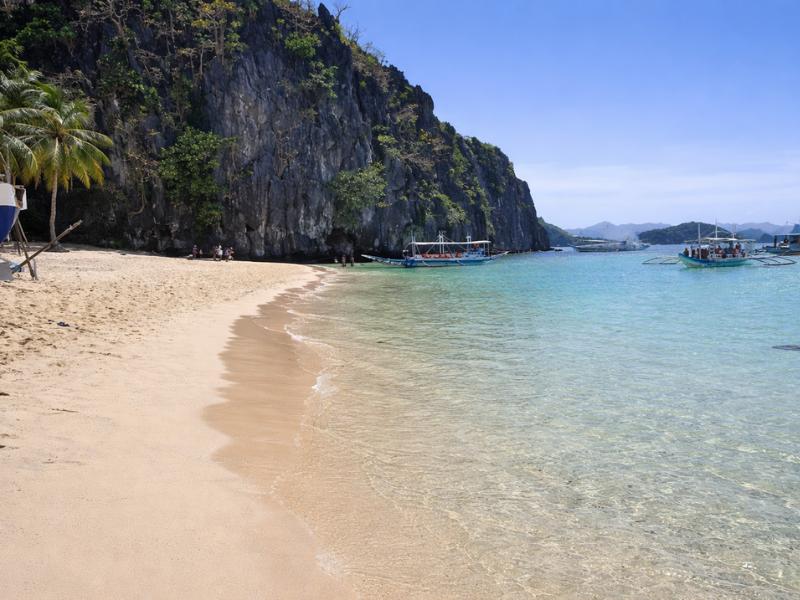
During dry season, El Nido delivers everything the photos suggest: flat seas, strong sun, clear water visibility up to 15 metres or more, and reliable tour departures every day. Temperatures sit between 25 and 32°C throughout the day. The northeast trade winds keep the air from becoming oppressively humid. This is when the lagoons are at their most photogenic and island hopping conditions are at their most consistent.
The dry season splits into two distinct phases once you’re on the ground.
The first phase, November through February, is the cooler end of the dry window. Temperatures hover around 25 to 28°C. The Amihan wind creates a noticeable breeze, which makes bangka travel comfortable and keeps the humidity from sitting heavily. The sea is flat. Visibility underwater is typically strong, though January and February bring a plankton bloom that can reduce it at certain sites to 10 metres or less, while also attracting whale sharks and manta rays in the deeper channel between islands.
The second phase, March through April, is hotter. Temperatures climb to 29 to 32°C by April, occasionally touching 35°C at midday. The wind drops as the season matures. The sea stays calm and the skies stay clear. Diving visibility peaks during this window, often reaching 20 to 30 metres at outer wall sites. It’s physically demanding in the middle of the day, which is why the island hopping lunch stop on a shaded beach feels less like a convenience and more like a necessity by late April.
May sits at the edge. Early May is often still dry and usable. By late May, afternoon showers start arriving with enough regularity that the transition to wet season is genuinely underway. Experienced travelers who visit in May book flexible accommodation and keep their plans loose in the second half of the month.
What Happens To El Nido During The Wet Season (May To October)?
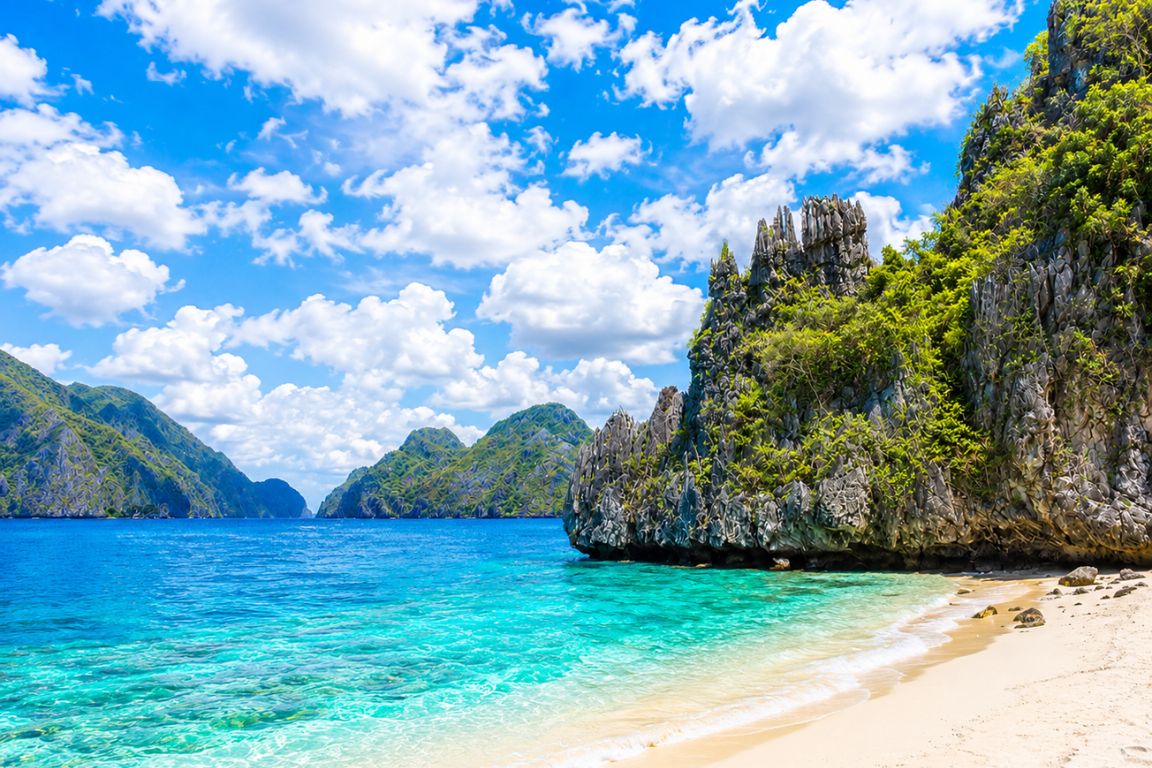 During the wet season, El Nido receives heavy afternoon rainfall, seas become rough, and island hopping tour cancellations happen regularly, especially July through October. The outer islands on Tour C‘s route are most affected. That said, mornings often remain clear, prices drop significantly, and the landscape turns intensely green. Wet season is not impossible, but it demands flexibility and honesty about the risks.
The wet season in El Nido works differently from wet seasons in other parts of Southeast Asia. The rain doesn’t necessarily fall all day. The typical pattern is a clear, usable morning from sunrise until around noon or 1pm, followed by heavy tropical downpours in the afternoon that clear by evening. The town’s beachfront bars fill up at sunset regardless of what the afternoon looked like.
The problem for island hopping isn’t just the rain. It’s the swell. The southwest monsoon pushes open ocean waves into the outer archipelago, and the outer islands on Tour C sit exposed to that swell. On a choppy day, the 90-minute bangka ride to Helicopter Island becomes uncomfortable and occasionally unsafe. The coastguard, not the tour operator, makes the final call on departures. They can and do cancel tours on the morning of, with little advance notice.
July through October is the highest-risk window. September and October sit squarely inside Philippine typhoon season. El Nido is relatively sheltered by Palawan’s orientation, but significant storms still track nearby and can disrupt travel for multiple consecutive days. This is when the travel insurance conversation becomes genuinely important rather than a formality.
What wet season does well: the interior of Palawan turns remarkable shades of green. Waterfalls like Nagkalit-kalit run properly. The town is quiet in a way it never is from December to April, locals are more available, and the market and food scene feel more like a real Filipino town than a tourist hub. Some travelers specifically prefer El Nido in this window for exactly that reason. They just aren’t here primarily for the tours.
Which Months Are The Busiest In El Nido?
 El Nido has three distinct crowd peaks: Christmas and New Year week (late December to early January), Chinese New Year (late January to mid-February), and Holy Week (Easter, usually March or April). Outside these spikes, January and February are the busiest regular months due to optimal weather conditions. These peaks mean fully booked accommodation, inflated prices, and lagoons that feel like queues rather than natural wonders.
The crowd picture in El Nido is more nuanced than a simple “peak vs. off season” divide. The actual experience on the water varies dramatically depending not just on the month but on the specific week and even the specific day.
Christmas week (December 23 to January 2) is the single most crowded period of the year. International visitors and Filipino domestic tourists arrive simultaneously, every accommodation category fills up, and the island hopping boats leave the pier in convoys. The lagoons at this time can have ten or more boats clustered at a single entry point. Book three to four months ahead if you are visiting during this window, and consider private tours over group tours to at least control your own boat’s timing.
Holy Week, which falls in March or April depending on the year, brings a second surge driven almost entirely by Filipino domestic tourism. The week before Easter is when the volumes peak. It’s worth looking up the exact Easter dates for your travel year and planning around them if the crowds concern you.
Chinese New Year in late January or February adds a third, shorter spike. Flights from mainland China and Hong Kong fill El Nido Airport directly during this period. It’s intense for about a week and then normalises quickly.
The least crowded window within the dry season is early November through mid-December, and again in late March after the Easter crowds leave. These are the periods where you get dry season weather without dry season mayhem. If your dates are flexible, this is the calculation worth making.
Getting the most out of El Nido takes more planning than just booking a flight to Palawan - our how to visit El Nido tours guide breaks down the transport options, best island-hopping routes, and what to book in advance before it sells out.
When Is The Best Time To Visit El Nido For Snorkeling And Diving?
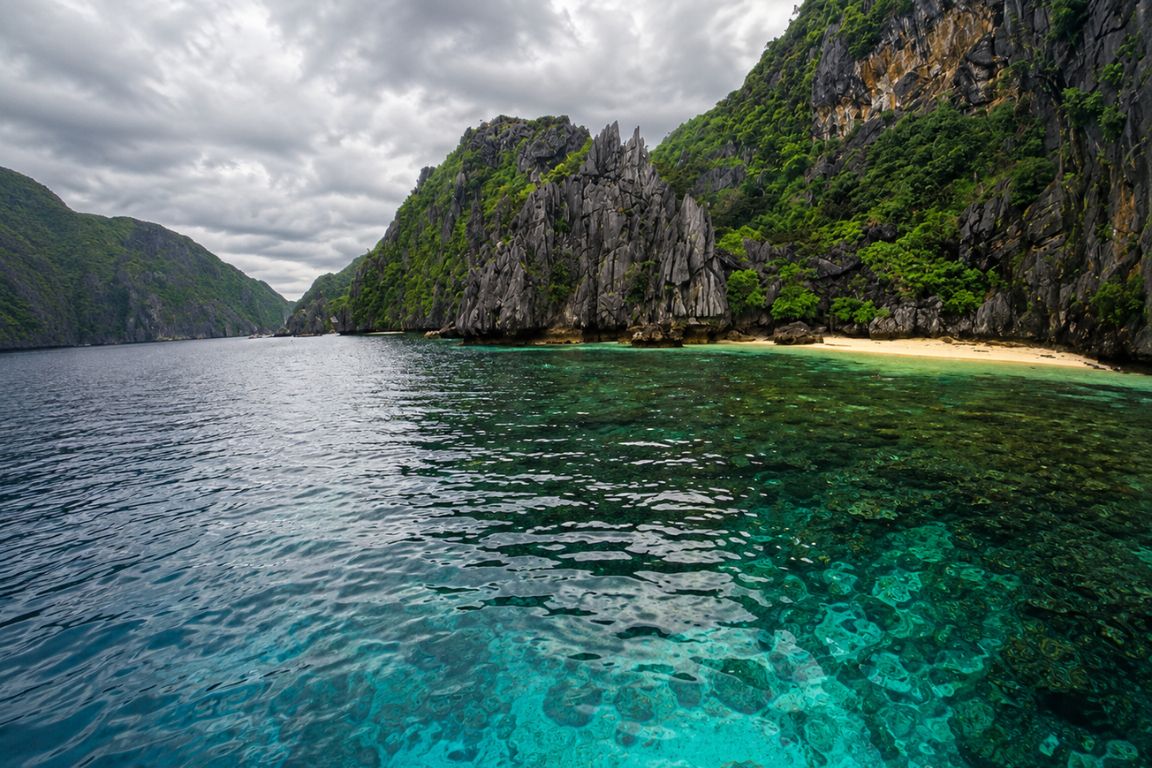 For snorkeling, the dry season from November to April gives the best conditions overall, with visibility commonly exceeding 15 metres and calm seas at every tour site. For scuba diving, April through June is the peak window: visibility reaches 20 to 30 metres, water temperature climbs to 29°C, and the plankton bloom has cleared. January and February have reduced diving visibility at some sites due to that plankton bloom, but those same months bring manta ray sightings.
Snorkeling and diving in El Nido read from slightly different calendars, and it’s worth knowing which one applies to you.
Snorkelers on the island hopping tours care primarily about water clarity and calm surface conditions. Both are best from November through April. The standout snorkeling sites, Shimizu Island on Tour A, the Matinloc wall on Tour C, and Entalula Beach on Tour B, all perform well across the dry season with visibility consistently above 10 metres and often much higher. In May and June, early in the wet season, snorkeling is still viable and often excellent before the afternoon swell builds.
Divers work with a more precise window. Water temperature in El Nido oscillates between 22°C in January and February and up to 33°C in warmer periods, with the April to June range landing around 28 to 29°C, ideal for comfortable diving in a thin wetsuit or rash guard. More importantly, the plankton bloom that occurs in January and February, while it attracts whale sharks and manta rays, can drop visibility at shallower sites to as little as three to ten metres. From March onward the bloom clears, and by April the outer wall sites are running at 20 to 30 metres. That May to June window combines peak visibility, warm water, and a sea that hasn’t yet turned rough, making it the technical diver’s preferred entry point for El Nido.
| Snorkeling (tours) | Nov to Apr | Calm seas, 15m+ visibility, all tour sites accessible | Jan/Feb plankton bloom reduces visibility slightly at some sites |
| Scuba diving | Apr to Jun | 20-30m visibility, 28-29°C water, plankton cleared | Jan/Feb best for manta rays despite lower visibility |
| Manta rays | Jan to Mar | Plankton bloom draws mantas to feeding channels | Lower general visibility trade-off |
| Whale sharks | Feb to Apr | Plankton bloom period; occasional sightings in deeper channels | Not guaranteed; sightings vary year to year |
When Is The Cheapest Time To Visit El Nido?
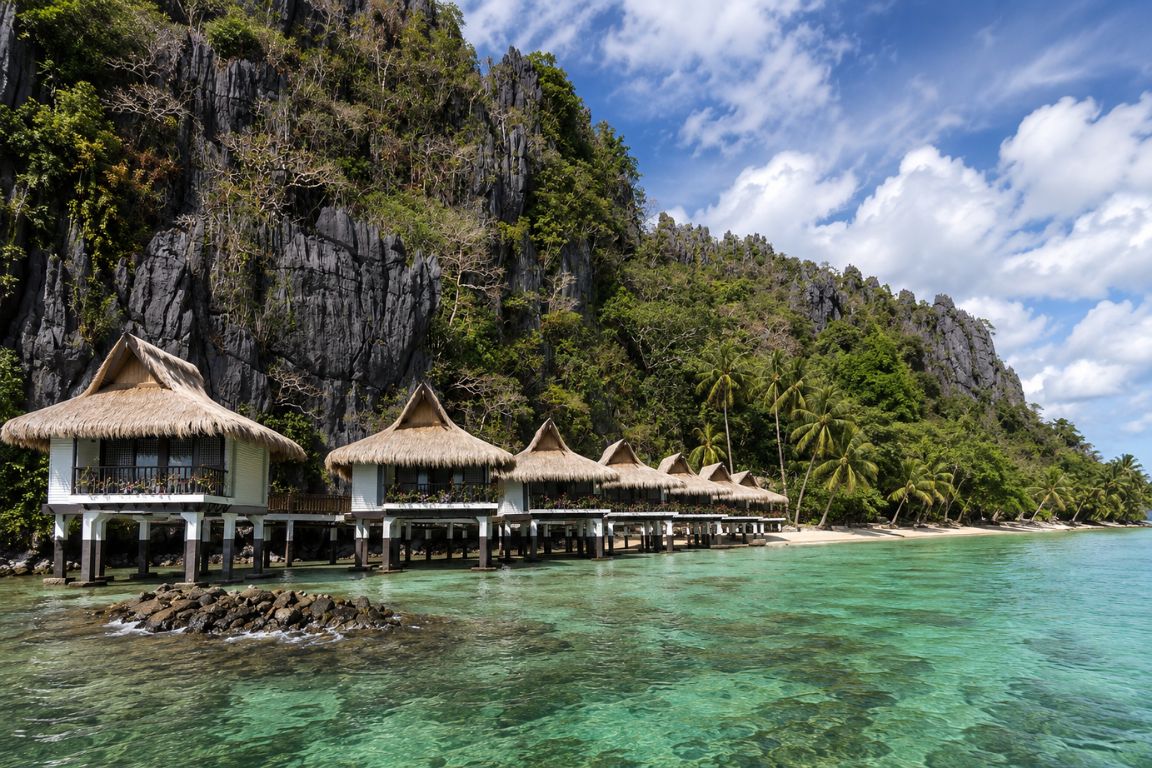 The cheapest time to visit El Nido is July through October, the heart of the wet season. Hotel rates drop 30 to 50 percent compared to peak dry season pricing, tour prices soften, and flights are less contested. The trade-off is genuine: tour cancellations happen, typhoon risk is real in September and October, and the outer island tours run unreliably. For budget travelers willing to accept weather uncertainty, June or early November offer the best combination of low prices and still-reasonable touring conditions.
The full cost of peak- and low-season visits can differ, especially across longer stays. Compare room and transport quotes for the actual dates you are considering. A seasonal price pattern does not establish current accommodation or ferry availability.
Not sure which Palawan destination actually suits your trip better or whether you have time for both? Here’s our El Nido vs Coron guide so you stop going back and forth and just decide.
The catch, and it’s a meaningful one: if your main reason for going to El Nido is island hopping, the wet season is a gamble. You might arrive in late July, have clear mornings for three days, complete Tours A, B, and C, and leave thinking the wet season narrative was overblown. Or you might arrive the following week and face three consecutive cancellations while the swell keeps the boats at the pier. Both happen. There is no way to know in advance which version of July you’ll get.
The months that thread this needle most reliably are June (especially early June) and November (especially late November). Both sit at the edges of the wet season with enough dry-season stability to support touring, yet prices haven’t fully returned to peak levels. Late November in particular is one of the more underrated windows for El Nido: weather improving rapidly, crowds not yet built, and accommodation available without the three-month advance planning that December demands.
What Is El Nido Like Month By Month?
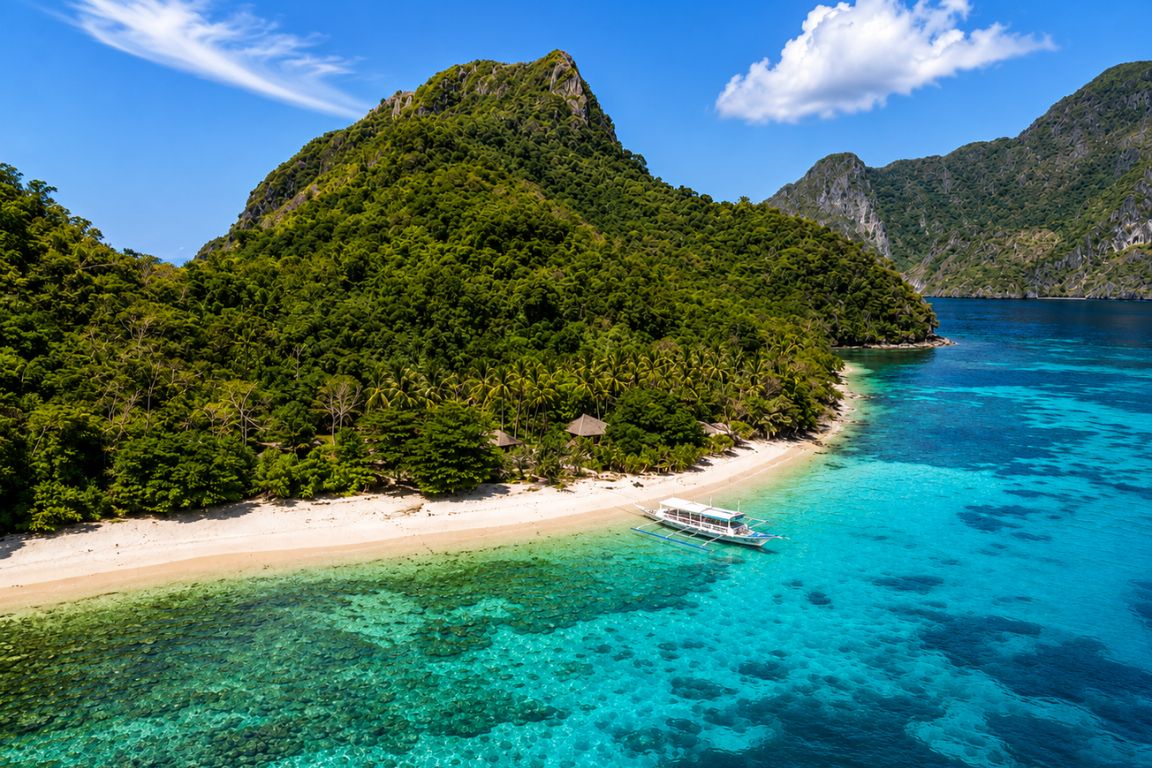 January and February are the peak of dry season: minimal rain, calm seas, and the best island hopping consistency of the year, balanced against the highest crowds and prices. March delivers the same excellent weather with fewer tourists after the Chinese New Year rush fades. April is hot, dry, and best for diving, with Holy Week as the crowd spike. May transitions toward wet season. June to October is wet season proper, with July through September carrying the highest cancellation and typhoon risk. November marks the return to dry season. December starts well but peaks hard at Christmas.
January: Peak season in full swing. The Amihan wind is strong, creating good sailing conditions and keeping temperatures moderate at around 27°C. Water visibility is affected by the plankton bloom at some sites, but manta rays appear in the deeper channels during this period. Book everything at least two to three months ahead. Expect lagoons to be at their busiest.
February: The best single month for overall island hopping conditions. Weather is at its most stable and consistent. Seas are flat. February is also when manta ray activity peaks. Chinese New Year falls in late January or February and creates a week-long crowd spike, so check the exact dates for your year.
March: Slightly warmer than February, still very dry, and crowd levels drop noticeably after the Chinese New Year rush. The best value month within the premium dry season window. Holy Week can fall in March or April depending on the year.
April: Hot. Daytime temperatures regularly hit 32°C and occasionally higher. The diving visibility is at its peak this month, often 20 to 25 metres at outer reef sites. Holy Week brings a domestic tourism surge that rivals Christmas week in intensity. The week before Easter is one to avoid if crowds are a concern.
May: Early May often delivers good weather, though the southeast humidity starts building. By mid to late May, afternoon showers become regular. Prices begin to ease. A reasonable month for travelers who want dry season conditions at shoulder prices, as long as they stay flexible toward month’s end.
June: The wet season officially begins. Early June still has manageable weather and a genuine morning touring window. Late June gets noticeably rougher. Prices have dropped to low season levels. The landscape starts greening rapidly. Surfers start appearing at Duli Beach.
July to August: The heaviest rainfall months. Afternoon storms can be dramatic. Tour C cancellations are common due to rough seas on the outer island route. Hotels are cheap and empty. The town itself remains open and functional, inland activities are available, but anyone expecting reliable island hopping will likely be disappointed.
September to October: Peak typhoon season for the Philippines. El Nido sits on the western side of Palawan and is somewhat shielded from the worst tracks, but significant storm activity still occurs. Sea conditions are frequently unsuitable for boat tours. This is the riskiest window for a visit centered on the water.
November: The transition back to dry season. Early November is variable. By mid-November, conditions are usually reliable enough for touring. By late November, El Nido is genuinely excellent again. Prices remain at shoulder levels until the Christmas run-up. This is one of the most undervalued windows of the year.
December: Early December (1 to 20) is excellent. Good dry season weather, manageable crowds, and prices that haven’t yet hit their holiday ceiling. Christmas week (23 December to 2 January) is the opposite: maximum crowds, maximum prices, and a town operating at full capacity. Choose your December window carefully.
When Our Travelers Visit: Booking Patterns From 8,200+ El Nido Tours
| Peak booking months (tour reservations) | January, February, March - 58% of annual bookings |
| Most commonly cited reason for visit timing | Weather reliability (67%), school holidays (21%), price (12%) |
| Tour cancellation rate (dry season, Nov to Apr) | Under 3% |
| Tour cancellation rate (wet season, Jun to Oct) | 18 to 35% depending on month |
| Most-cancelled tour in wet season | Tour C (outer islands, highest swell exposure) |
| Travelers who said March/April was “best month they could have chosen” | 74% post-trip satisfaction rate for Mar/Apr visitors |
| Travelers who visited in wet season and had tours cancelled | 31% experienced at least one cancellation |
What Should You Do If You Can Only Visit During Wet Season?
If wet season is your only option, build buffer days into your itinerary and choose accommodation with cancellation terms you can use. Keep a mainland plan ready, while remembering that rain and local conditions can also affect waterfalls, walking routes and other land activities.
Wet season El Nido is not a lost cause. It just requires a different approach from dry season planning. The travelers who enjoy it are the ones who arrive with realistic expectations and enough schedule flexibility to absorb a cancelled tour day without their entire trip unravelling.
A few things that work in your favor during the wet season. First, the mornings. The typical pattern in June through September is a clear, calm morning window between sunrise and around noon, followed by afternoon rain. Island hopping tours depart at 9am. If the morning window holds, tours run and complete before conditions deteriorate. When it works, you get the same water and the same beaches with a fraction of the December crowds. Second, the inner bay. Tours A (book group tour Explore Tour A: Big Lagoon And Island Beaches or private tour Explore Private Tour A With Lunch) and D operate closer to El Nido town, inside the more sheltered Bacuit Bay, and are less exposed to the open ocean swell that disrupts Tour C. During wet season, prioritize A and D over C if you need to choose.
What to do when a tour is cancelled: the inland options are genuinely good. Nagkalit-kalit Falls, roughly 45 minutes from town by motorbike, runs properly during the wet season and has a natural pool worth an hour of your time. The Taraw Cliff canopy walk is unaffected by sea conditions. Nacpan Beach, while the swimming is rougher in wet season, is still a beautiful stretch of coastline. And El Nido town, freed of its peak-season tourist density, takes on a quieter, more authentic character that some travelers actively prefer.
The practical advice: book a room with free cancellation, keep your tour reservations flexible until 24 to 48 hours before, and have a land-day plan ready to deploy if the coastguard grounds the boats. Build an extra day into your itinerary specifically for this purpose. If you don’t need it, treat it as a bonus beach afternoon. If you do, you won’t lose a tour to weather with no alternative.
If you’re trying to plan a wet season visit and want a realistic assessment of what’s possible in your specific travel window, our team has seen every version of El Nido weather since 2014 and can give you an honest read on what to expect.
All four El Nido tours look similar on paper but cover completely different ground - our Tour A vs B vs C vs D guide breaks down exactly what each route includes and which one suits different types of travellers.
Frequently Asked Questions
What month is best for El Nido island hopping?
February and March are the strongest months for island hopping. Seas are at their calmest, tour cancellation rates are under three percent, and visibility is excellent. January is equally good weather-wise but commands peak prices. March offers the same conditions with lighter crowds once the Chinese New Year surge passes.
Is El Nido worth visiting in the rainy season?
It depends on what you want. If island hopping is the main goal, wet season carries genuine risk: Tour C in particular cancels regularly from July through October. If you’re flexible, budget-conscious, and happy to fill cancelled tour days with inland activities, June or November can work well. July through September is the highest-risk window and is hard to recommend for itineraries built around the water.
What is the weather like in El Nido in December?
Early December (1 to 20) is excellent: dry, warm, calm seas, and manageable crowds. Christmas week (23 December to 2 January) is the busiest and most expensive period of the year in El Nido. Book accommodation three to four months ahead for the holiday window. If your dates fall in early December, you get dry season conditions without the Christmas premium.
When does El Nido get typhoons?
Typhoon season in the Philippines runs July through October, with September and October being the highest-risk months. El Nido sits on the western coast of Palawan and is somewhat sheltered compared to the eastern Philippines, but significant storms can still disrupt travel during this window. Travel insurance with typhoon coverage is strongly recommended for any wet season visit.
Is November a good time to visit El Nido?
Late November is one of the most underrated windows for El Nido. By mid to late November, the dry season is re-establishing itself: skies clear, seas calm, and tours run reliably. Prices haven’t yet climbed to their December-January peak, and the accommodation that’s impossible to find in February is readily available. If your schedule allows flexibility, late November is worth serious consideration.
What are the hottest months in El Nido?
April and May are the hottest months, with daytime temperatures regularly reaching 32 to 35°C. March starts the gradual climb. Island hopping is still very much possible and popular during this period, but the midday heat on an open bangka is significant. Factor in sun protection, start tours early, and use the beach lunch stop to rest rather than continuing to swim through the hottest part of the day.
Planning your El Nido trip and not sure your timing works?Once you have dates, check Tour A for that month. If you are still choosing a route, start with Tour A and add Tour C only when your dates fall in the calmer months. Compare dates on Tour A before you confirm flights. Written by Ethan Reyes
Philippine tour guide since 2014 · Founder, El Nido Tours
Ethan has guided over 8,200 travelers through El Nido, the Bacuit Archipelago, and Palawan since founding the agency.