Best Beaches In El Nido: Which Need A Boat And Which You Can Drive To
Every El Nido beach worth your time, split by how you actually reach it. Which you can drive to, which need an island-hopping boat, and how to plan a few days across both.
Keep the independent land beaches in your plan and choose a boat day only for the offshore coves. Compare Your El Nido Options Below.
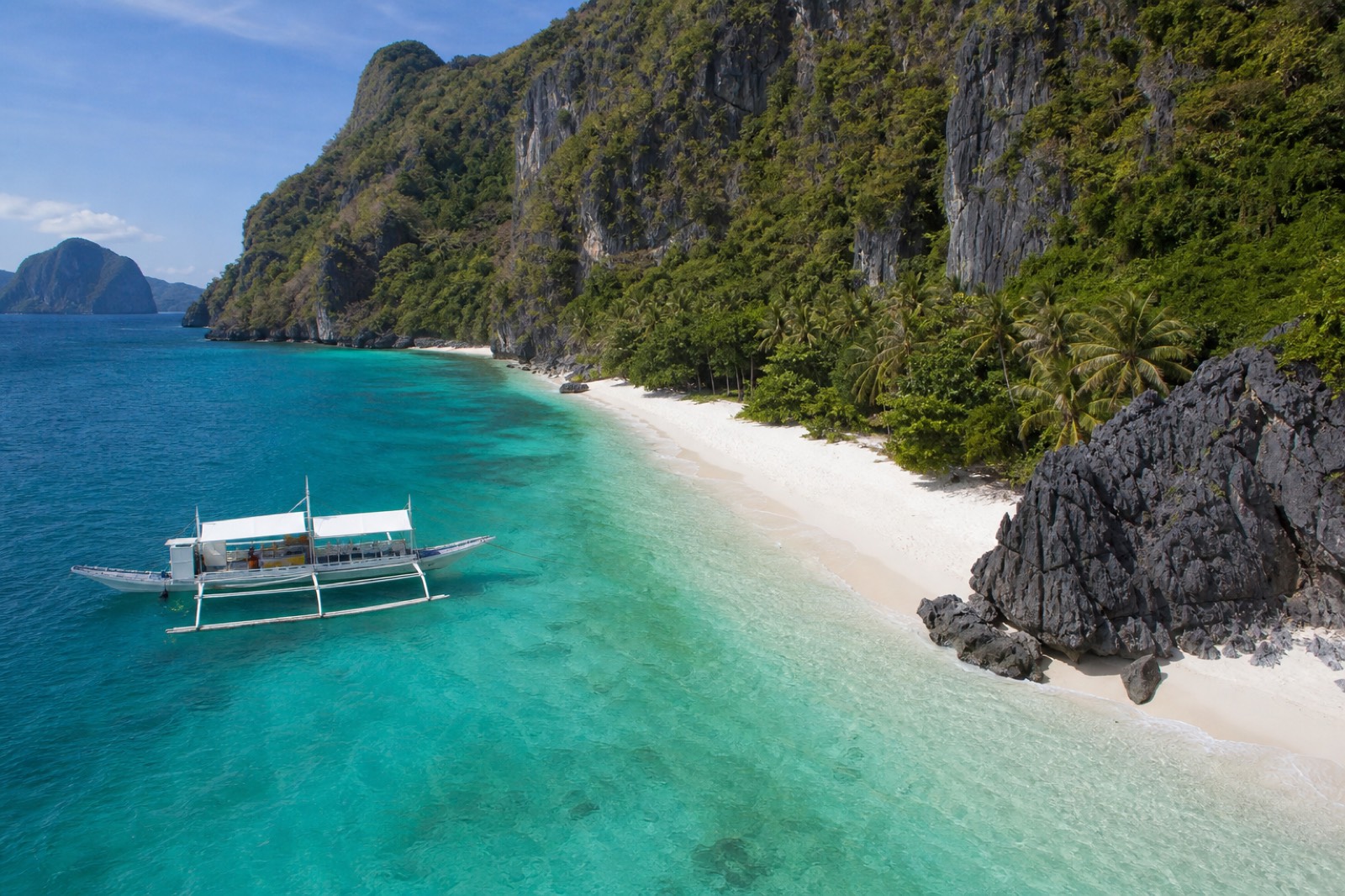
El Nido has two kinds of beach, and confusing them is the single most common planning mistake we see. Some you simply drive or walk to, a towel-and-a-swim kind of day. Others sit tucked inside the karst islands of Bacuit Bay and only open up to you from the deck of a boat. Knowing which is which decides how you spend your days, your money, and your energy here.
- Nacpan is reached by road; Big Lagoon and Seven Commandos require a boat.
- The social jeepney itinerary is an adults-only alternative for a full land day.
This is the roundup our team gives people when they ask, plainly, "which beaches are worth it and how do I get to each one". It covers the land-accessible favourites like Nacpan, Las Cabanas, Corong Corong, and Duli, the star beaches you reach on an island-hopping day, and how to string a few of them into a trip that does not waste a single morning.
Which El Nido Beaches Can You Reach By Land, And Which Need A Boat?
The headline beaches you can reach by land are Nacpan and Calitang, Las Cabanas, Corong Corong, Duli, and the town beach itself. The postcard beaches inside the bay, such as Seven Commandos, Shimizu, Paradise, and the hidden coves, need a boat and are only reached on an island-hopping tour or a private charter.
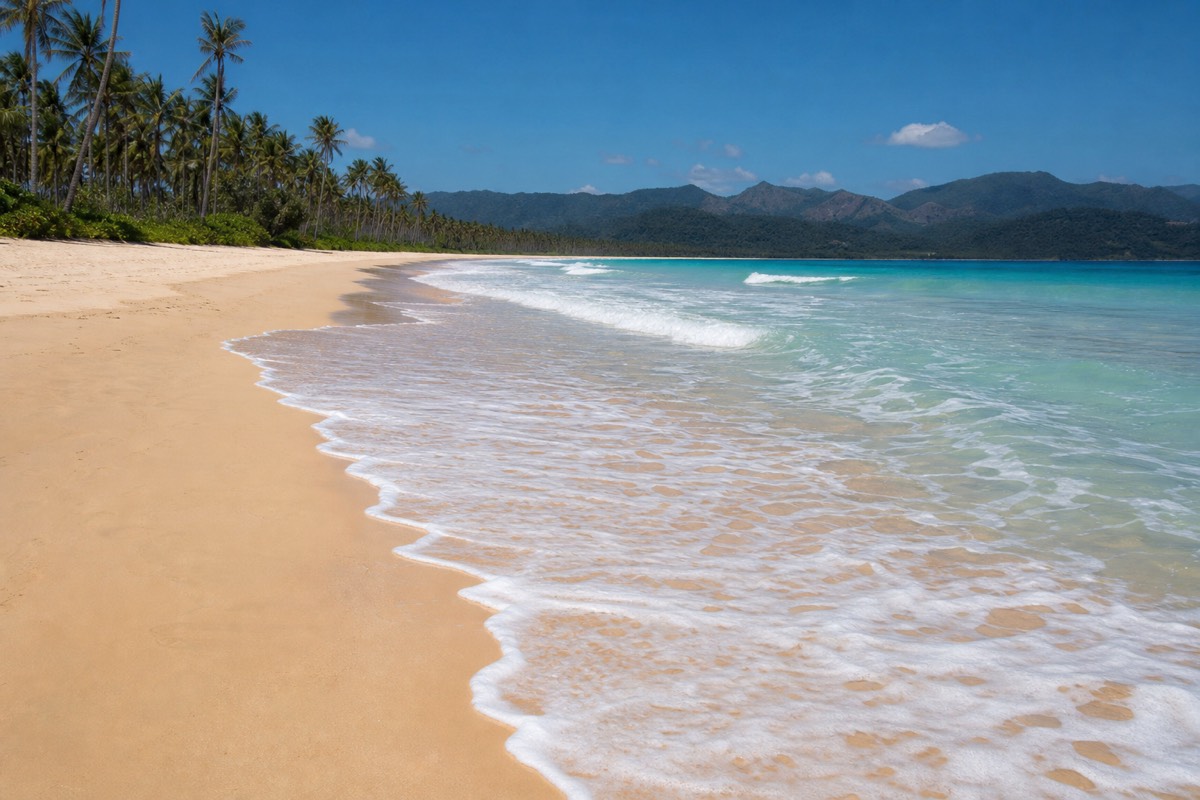
The land beaches sit along the coast north and south of town and are reached by tricycle, van, or motorbike. They are your independent days, cheap to get to, and open whenever the road is passable, even when rough seas stop the boats. The boat beaches are scattered across the Bacuit Archipelago, an area of 50-plus islands ringed by limestone cliffs that rise as high as roughly 300 metres straight out of the water. That geography is the whole point: those cliffs are what shelter the coves, colour the water, and make the beaches impossible to reach except by boat. Most have no facilities beyond what your tour brings, which is part of why they still feel remote even on a busy day.
There is a practical upshot to the split that shapes your whole trip. When the weather turns and the Coast Guard holds the boats in port, the land beaches are your fallback, since a rough sea does not stop a tricycle. And when the water is glassy and perfect, that is the day to be out on a tour rather than on the sand in town. Reading which kind of day you have woken up to, and choosing the right beach for it, is most of the skill of doing El Nido well.
Here is the whole set at a glance, with how you actually get to each and what it does best.
| Beach | Access | Vibe | Best for | How to reach |
|---|---|---|---|---|
| Nacpan (and Calitang) | Land | Long, open, golden | Swimming, walks, sunset | About 45 min north by tricycle, van, or bike |
| Las Cabanas | Land | Lively, sunset, zipline | Sunset, easy half-day | Short ride south of town |
| Corong Corong | Land | Calm, sunset dining | Sunsets, quieter stay | Walk or quick ride south |
| Duli | Land | Wild, quiet, surf | Surfing, solitude | Rough road north, past Nacpan |
| El Nido town beach | Land | Busy, boats, functional | Convenience, boat departures | Walk from town center |
| Seven Commandos | Boat | Classic island cove | Island-hopping stop, drinks | Tour A or short private boat |
| Shimizu Island | Boat | Snorkelling, lunch stop | Snorkelling, buffet lunch | Tour A |
| Paradise Beach (Cadlao) | Boat | Quiet, scenic | Peaceful swimming | Tour D |
| Hidden and Secret Beaches | Boat | Dramatic, tide-dependent | Swim-through coves | Tour C |
What Is The Best Beach In El Nido?
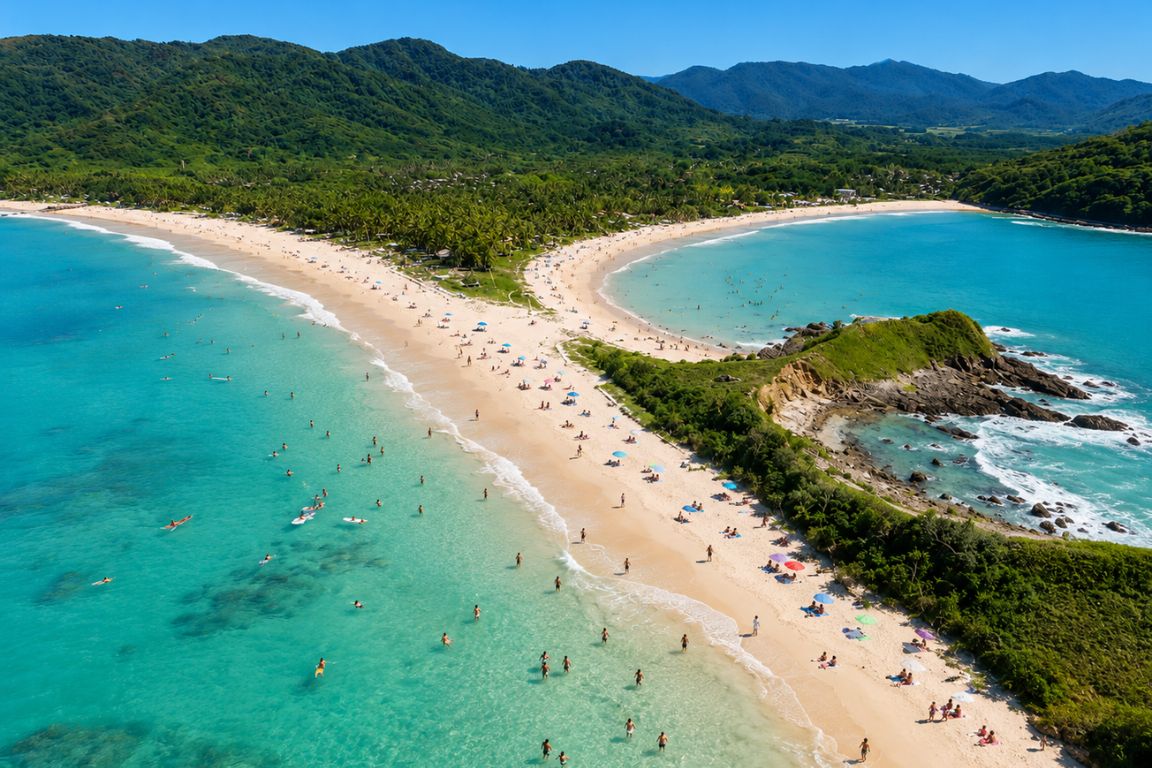
For a pure beach day on land, Nacpan is the popular pick: a long, wide sweep of gold about 45 minutes north of town, with real swimming, room to spread out, and a short climb to the twin-beach viewpoint. For sheer drama, the boat-only coves inside Bacuit Bay win, but they are stops on a tour, not a place to laze all day.
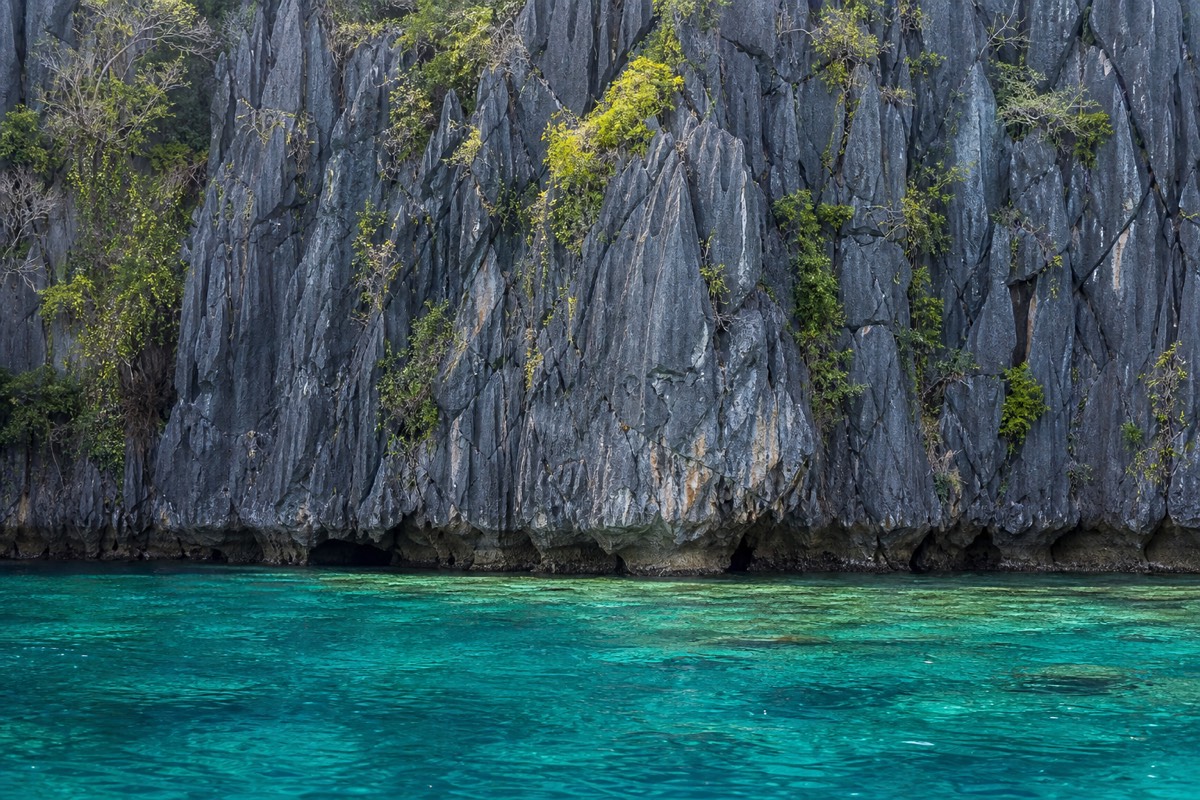
Calling one beach "the best" depends on what you want from the day. If it is space, a swim you can walk into, food huts, and a sunset, Nacpan is hard to beat, which is why it draws people away from the water for a day. It is the beach the locals themselves head to when they want the sea to themselves.
The catch is that Nacpan is a swimming-and-lazing beach, not a lagoon spectacle. If your mental image of El Nido is towering cliffs wrapped around a glassy cove, that is the boat experience, and no land beach substitutes for it. We break down the drive, the tides, the food, and the twin-beach climb in our full Nacpan Beach guide, so this roundup can keep moving through the rest.
If you have only one free day and no plans to take a boat, Nacpan is the answer without much debate. If you have several days, the more useful question is not which single beach is best but which mix suits you, since the land beaches and the boat coves complement each other rather than compete. Most people who leave El Nido raving about the beaches did not find one perfect spot; they built a few very different beach days and let each one do the thing it does best.
Which Is The Best Beach For Sunset In El Nido?
The west-facing beaches south of town own the sunset: Corong Corong and Las Cabanas are the two classics, both an easy ride from the center. Corong Corong leans quiet and scenic with beachfront places to eat, while Las Cabanas is livelier, with a beach-bar mood and a zipline running across to nearby Depeldet Island.
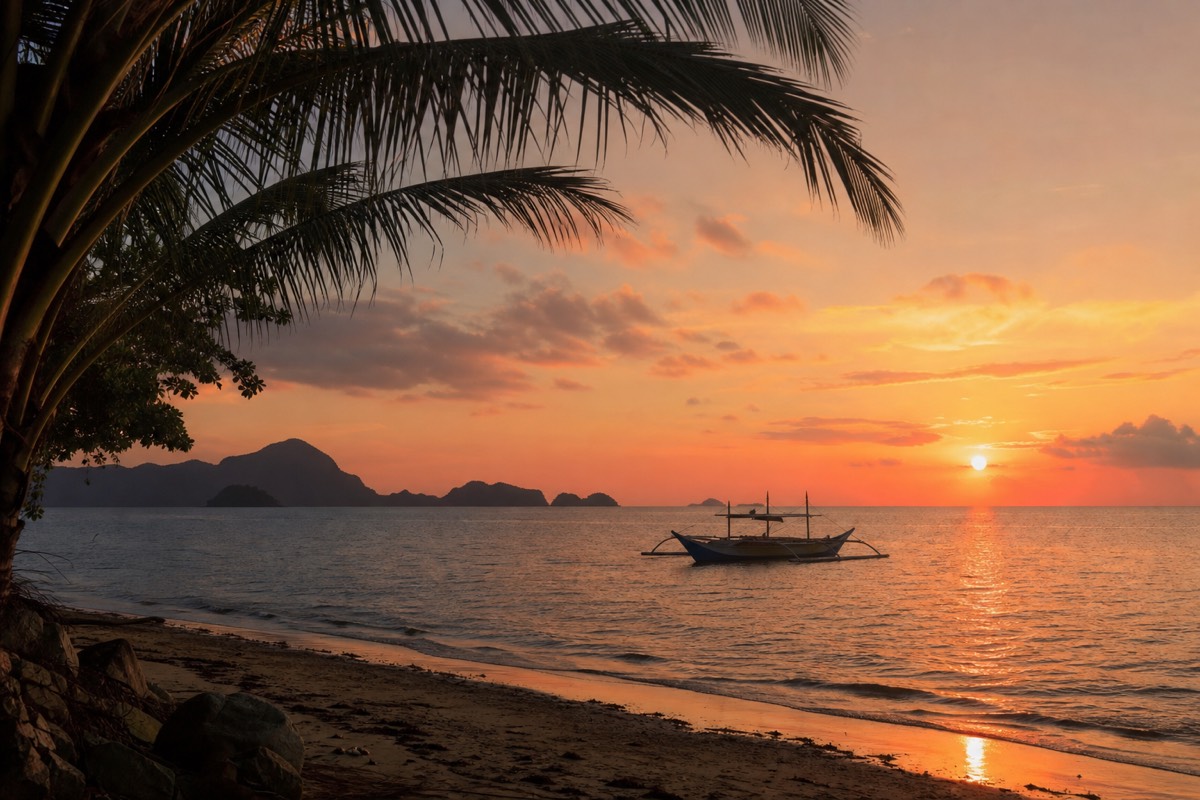
Corong Corong is the gentler of the pair. It faces the sunset dead on, the water is calm, and a line of low-key spots along the sand make it the natural place to nurse a drink as the light drops. Many travellers who want a quieter base stay on this side for exactly that reason. Las Cabanas, a little further along, has more energy: beach bars, a busier crowd, and the zipline that sends you out over the water toward Depeldet, which is a fun add-on before the sun goes down.
Nacpan works for sunset too, thanks to its open western horizon, but it is far enough north that you must plan the return drive around it. For simpler evening logistics, Corong Corong and Las Cabanas are closer to town. If you want a sunset boat trip, confirm the actual departure and return times; a daytime catamaran listing does not establish evening access.
| Sunset beach | Mood | Getting there | Extra |
|---|---|---|---|
| Corong Corong | Calm, scenic, dining | Short ride or walk south | Beachfront tables, quieter stays |
| Las Cabanas | Lively, beach-bar | Short ride south | Zipline to Depeldet Island |
| Nacpan | Open, uncrowded | About 45 min north | Plan the return drive around it |
Which El Nido Beaches Are Best For Swimming And Surfing?
For swimming, Nacpan and the sheltered boat-tour coves are best: gradual, sandy entries and calm water on settled days. For surfing, Duli is the beach to know, a quieter stretch north of Nacpan with a more consistent break. The town beach is fine for a dip and for boarding boats, but it is busy and not the swim you came for.
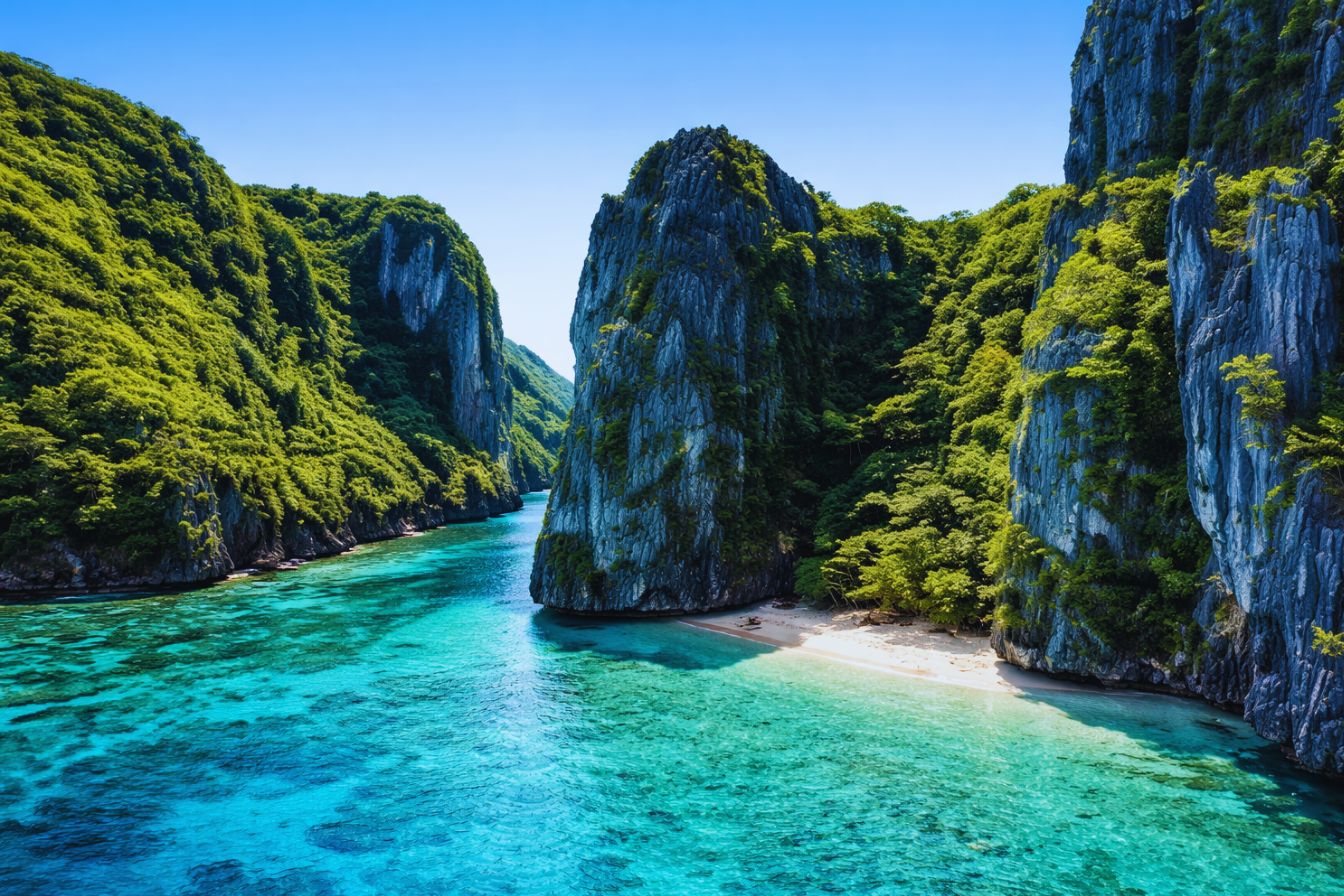
Nacpan shelves gently and stays calm in the dry season, which makes it the friendliest land beach for a proper swim, though it can pick up a shore break when swell runs. The boat-tour beaches inside the bay, sheltered by the islands, are often glassy and ideal for floating and snorkelling. Duli is the surf outlier: wilder, emptier, and reached by a rougher road past Nacpan, it holds a beach break that draws the small local surf scene, best when a swell is in during the monsoon months.
Duli rewards the effort of getting there, but go in with clear eyes. There is little in the way of food, shade, or rental gear, the road is the roughest of the northern routes, and the same swell that makes the surf also makes the swimming choppier. Bring water, bring lunch, and check that a swell is actually running before you commit a whole day to it, because on a flat day Duli is simply an empty beach with a long drive attached. On its day, though, it is the closest thing to a secret beach you can reach on wheels.
The town beach is a working waterfront more than a swimming beach. Bangka boats line the shore, the water sees plenty of traffic, and it is where many tours load, so treat it as convenient rather than idyllic. It still has its uses: an early stroll before the boats fire up, a quick cool-off, and the easiest sunset of all without leaving the center. Timing your beach days to the calmer, clearer water pays off across all of these, and our notes on the best time to visit El Nido spell out when that window falls.
| Beach | Swimming | Surf | Note |
|---|---|---|---|
| Nacpan | Very good on calm days | Soft, occasional | Shore break when swell is up, no lifeguards |
| Duli | Fine when flat | Best of the lot | Rough road, minimal facilities |
| Boat-tour coves | Excellent, sheltered | None | Reached only on a tour |
| Town beach | Okay for a dip | None | Busy with boats and departures |
Which El Nido Beach Is Best For Snorkelling?
The best snorkelling is off the boat-tour beaches inside Bacuit Bay, not the land beaches. Sheltered coves on the classic routes, Shimizu on Tour A and the reefs of Tour C above all, hold the clearest water and the most fish. From the land beaches snorkelling is possible but patchier, since open coast means less reef and more sand.
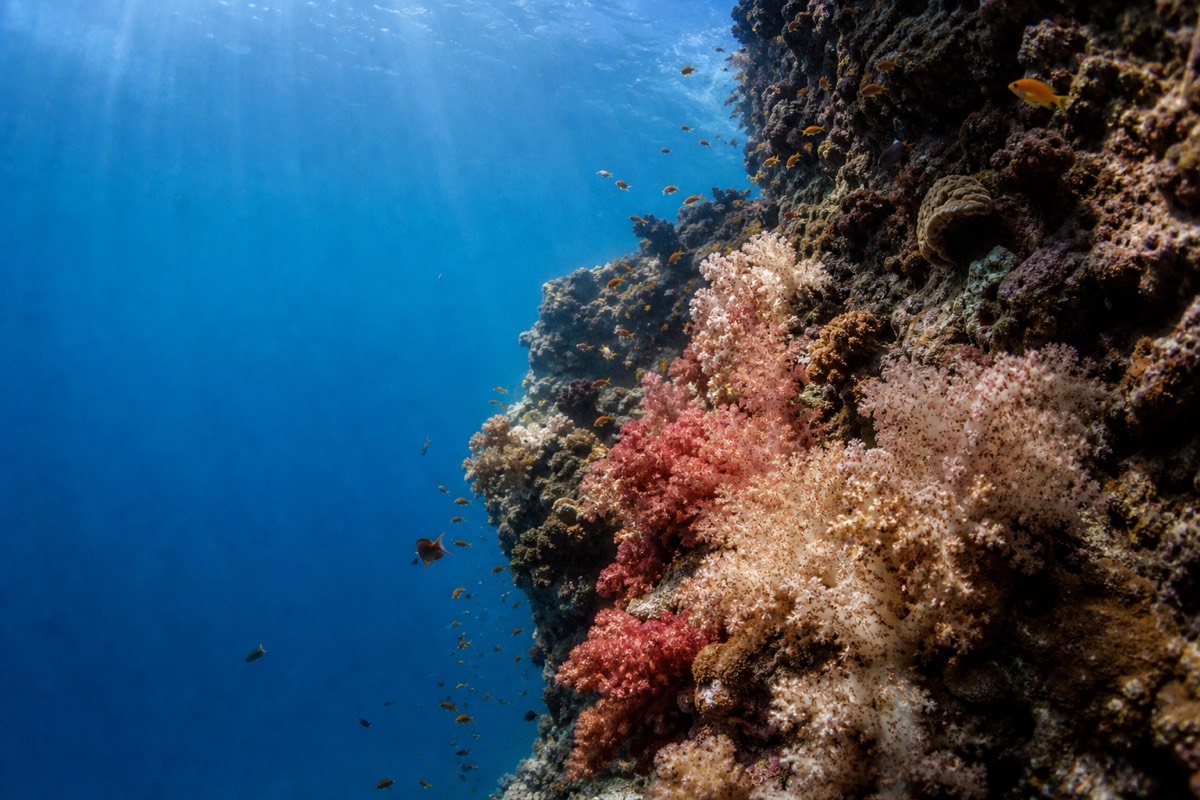
Snorkelling here tracks the same logic as everything else: the good stuff sits in the sheltered, cliff-ringed water the boats reach. Shimizu Island is the reliable snorkelling-and-lunch stop on Tour A, while Tour C is the route snorkellers single out for its reefs and dramatic underwater terrain. The sheltering cliffs keep those coves calm and clear, which is exactly what you want with a mask on. Marine life runs to reef fish, the occasional turtle, and now and then a harmless reef shark, with visibility at its best in the calm dry-season water.
From the land beaches the picture is mixed. Nacpan is a swimming beach more than a snorkelling one, with a sandy bottom and little reef close in, so you might spot fish around the rocky headland but not a coral garden. If underwater time is the priority, build it around the boat tours or step up to a guided dive: our guide to diving and snorkelling in El Nido lays out where the reefs and dive sites actually are.
What Are The Best Beaches On An Island-Hopping Tour?
The standout boat beaches are Seven Commandos and Shimizu on the classic Tour A, Paradise Beach and the Cadlao coves on the quieter Tour D, and the tide-gated Hidden and Secret Beaches on Tour C. Each is a stop on a set route, framed by limestone cliffs and reached only from the water, which is exactly what makes them feel earned.
Seven Commandos is the postcard finish to many Tour A days, a broad sandy cove with a couple of drink stands, cliffs behind, and clear water in front. Shimizu Island is the usual snorkelling-and-lunch stop on the same route. If you only do one boat day, Tour A is the standard first choice, and you can see the full run of it on the classic Tour A island-hopping route.
Tour D is the quieter alternative, closest to town and running the fewest boats of the four, taking in Cadlao Lagoon, Paradise Beach, Pasandigan, and Bukal. It is the pick for travellers who want the scenery without the peak-hour crush, and you can read the route on the quieter Tour D to Cadlao and Paradise Beach. Tour C, meanwhile, holds the most dramatic swim-throughs: Secret Beach and Hidden Beach are both reached through gaps in the rock and are tide-dependent, so conditions on the day decide how they feel.
What all of these share is that the beach is only half the reward. The journey between stops, gliding under 300-metre cliffs on a wooden bangka with the buffet being prepped at the back, is as much a part of the day as any single cove. That is why a beach like Seven Commandos feels different arrived at by boat than the same sand would feel if you could simply park a scooter behind it. The access is the experience, and it is worth choosing your route for the stops you most want rather than trying to cram every famous name into one trip.
| Boat beach | On which tour | Why go |
|---|---|---|
| Seven Commandos | Tour A | Classic sandy cove, drinks, cliffs |
| Shimizu Island | Tour A | Snorkelling and the buffet lunch stop |
| Paradise Beach | Tour D | Quiet, scenic, fewer boats |
| Secret and Hidden Beaches | Tour C | Dramatic swim-through coves, tide-gated |
| Entalula and Pinagbuyutan | Tour B | Sandbar and standalone karst island scenery |
How Do El Nido'S Lagoons Differ From Its Beaches?
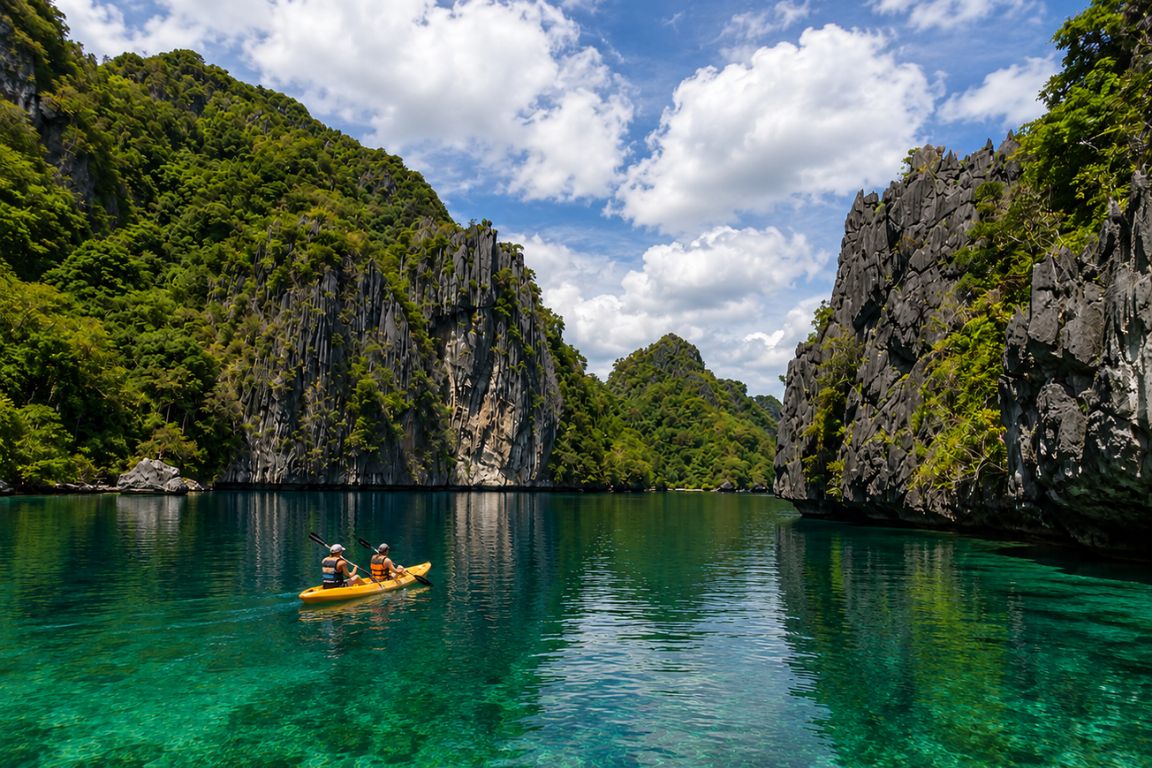
Lagoons and beaches are different experiences even though both need a boat for the famous ones. A lagoon is a flooded cove walled by limestone that you paddle or swim into, calm and enclosed, more about the setting than lying on sand. A beach is somewhere to land, swim, and relax. Big Lagoon on Tour A and Small Lagoon on Tour D are the headline lagoons.
The distinction matters when you pick a route. If the mirror-water-and-cliffs image is what drew you to El Nido, that is the lagoon experience, and you go in by kayak or by swimming through a gap rather than stepping off onto sand. Beaches like Seven Commandos or Paradise are where the boat pulls up and you spend real time on the sand. Many Tour A days give you both in one outing, a lagoon or two plus a beach finish, which is part of why it stays the most popular circuit.
Because the lagoons carry their own fees, tides, and entry logic that the beaches do not, they reward a little homework before you go. We cover the entry, the kayak-versus-swim question, and how to beat the crowds in our full guide to the Big and Small Lagoons, which pairs naturally with this beach roundup when you are planning a couple of boat days.
| Feature | Lagoon | Beach |
|---|---|---|
| What it is | Flooded cove walled by cliffs | Sand you land on and relax |
| How you experience it | Kayak or swim through a gap | Swim, sunbathe, walk |
| Time you spend | Short, paddling and photos | Longer, a proper stop |
| Extra costs | Users' fee and kayak rental | Usually none beyond the tour |
Which Beaches Are Best For Quiet, Families, Or Avoiding Crowds?
For quiet, go north to Duli or far along Nacpan, away from the entrance. For families, Nacpan's gentle shallows and food huts are the easiest land option, while Tour D is the calmest boat day. To avoid crowds anywhere, go early, since the beaches and coves fill from mid-morning as the day-trippers and tour boats arrive.
Crowd levels here are almost entirely a matter of timing and distance. The closer and more famous the spot, the busier it gets by late morning. On the land beaches, walking away from the access point thins the crowd fast, and Nacpan is long enough that its northern end stays sleepy even on a busy day. Duli is quiet by default because the road puts people off.
On the water, the popular coves collect several boats at once during the midday peak, which is why the quieter Tour D, or a private departure that sets its own schedule, changes the whole feel of a day. A private beach-hopping day lets you reach the best coves ahead of or behind the group boats, which is the single most effective way to have a famous beach almost to yourself. Families weighing how much water time young kids can handle will find our take on how many days you need in El Nido useful for pacing.
What Should You Bring For A Day At El Nido'S Beaches?
Pack for self-sufficiency, because the land beaches have limited facilities and the boat coves have almost none beyond what your tour carries. Water, reef-safe sunscreen, a hat, a rash guard, aqua shoes for rocky entries, small peso cash, and a dry bag cover most situations. On boat days, confirm the chosen option’s lunch, life vest and snorkel-equipment details; gear can cost extra.
The land beaches vary in what they offer. Nacpan has food huts and chair rental, Las Cabanas and Corong Corong have beachfront places, but Duli has next to nothing, so carry your own food and water out there. None of these beaches have lifeguards, so read the water yourself, especially when a swell is running and a shore break builds. Aqua shoes earn their place at rocky beach entries and around the lagoon gaps, where sharp rock underfoot is how most people pick up a cut.
On the boat beaches, your tour is the supply line: the crew brings the buffet lunch, gear, and drinking water, but there are no shops on a karst island, so pack anything personal you will want during the day. Reef-safe sunscreen matters more inside the protected marine zone, and a rash guard both saves your skin and stays put in the water better than lotion. For the full kit that works across beach days and boat days alike, see our El Nido packing list.
Do You Need To Pay To Visit El Nido'S Beaches?
There is no ticket for most land beaches, but every visitor pays a one-time El Nido eco-tourism environmental fee, around PHP 400, valid for several days and collected in town or before your first tour. On top of that, boat-tour beaches sit inside the tour price, and small local charges for parking, chairs, or lagoon users' fees can apply on the day.
The environmental fee is the main compulsory cost, and it applies whether you spend your days on the boats or on the land beaches. It is not included in tour prices, so keep the receipt, since it is valid for roughly five to ten days and covers repeat tours. At the land beaches you may meet informal charges for parking or a rented chair, and these are cash only.
On island-hopping days, the beach access is baked into what you pay, but certain stops carry extras: the lagoons on Tour A have a small users' fee and optional kayak rental paid on the day, for instance. This is the same cash-heavy reality that runs through the whole town, where the machines are unreliable, so carry pesos. Paying for your tours online in advance through El Nido Tours settles the biggest cost by card and leaves your cash free for fees, food, and chairs.
| Charge | Rough amount | Applies to |
|---|---|---|
| Eco-tourism environmental fee | Around PHP 400, one-time | Every visitor, land or boat |
| Land-beach parking / chair | Small, cash on the day | Nacpan, Duli and similar |
| Lagoon users' fee and kayak | Small fee plus rental | Tour A lagoon stops |
| Island-hopping beaches | Included in tour price | Seven Commandos, Paradise, etc. |
How Do You Plan A Few Days Across El Nido'S Beaches?
Mix boat days and land days rather than stacking them. A common rhythm is a boat tour on day one, usually Tour A, a land-beach day at Nacpan to slow down, another boat day for a different route, and a sunset built into most evenings at Corong Corong or Las Cabanas. That balance covers the lagoons, the open sand, and the light.
The reason to alternate is simple: back-to-back boat days blur together and wear you out, while the land beaches recharge you and cost almost nothing to reach. Starting with Tour A gets the signature lagoons and Seven Commandos out of the way early, so you can then choose a second route, C for drama or D for calm, based on how you felt. A Nacpan day slotted between them is the reset that keeps the trip from feeling like a conveyor belt. It also builds in flexibility: if a boat day gets cancelled for weather, you simply swap it with the planned land day and lose nothing, which is far easier than trying to rebook a tour at the last minute in peak season.
Evenings look after themselves once you know the sunset beaches are a short ride south. Fold dinner into that, and the days take shape naturally. When you are hungry between beaches, our guide to where to eat in El Nido sorts the meal question, and if you are still deciding which side of town to base yourself on, where to stay in El Nido weighs the town center against the quieter Corong Corong sunset strip.
| Day | Plan | Type |
|---|---|---|
| Day 1 | Tour A: lagoons, Shimizu, Seven Commandos | Boat |
| Day 2 | Nacpan Beach, swim, twin-beach viewpoint | Land |
| Day 3 | Tour C or D for a different stretch of the bay | Boat |
| Evenings | Sunset and dinner at Corong Corong or Las Cabanas | Land |
Whichever beaches make your list, the trick is respecting the split between the two kinds. Drive to Nacpan, Las Cabanas, Corong Corong, and Duli on your own clock, and let a boat carry you to the coves and lagoons no road reaches. Give the archipelago at least one full day on the water, keep a land beach in reserve for the slow afternoon, and you will have seen the whole of El Nido rather than just the half you can walk to.