El Nido Travel Cost: A Real Budget Breakdown (2026)
What El Nido really costs, line by line, from the boat tours and the environmental fee to beds, food, tricycles and the cash you must carry.
Use the guide’s figures as a starting budget and compare actual travel-date quotes before committing money. Compare Your El Nido Options Below.
Ask ten travellers what El Nido costs and you get ten different answers, because the town runs on two economies at once. There is the shoestring version, dorm beds, carinderia plates and a shared bangka seat, and there is the resort-and-private-boat version a few streets away. Both are real. What follows is the honest middle ground: what each line actually runs in pesos, where the hidden charges hide, and how to keep cash in your pocket without missing the water.
- Separate per-person shared seats from the complete private booking total.
- Add operator-specific extras and local cash costs using current quotes.
Every figure below is a planning ballpark, not a quote. Prices in El Nido drift with the season and the exchange rate, and the busiest weeks push everything up. Read it as a budget skeleton you can flex, then confirm the moving parts before you go.
One framing note before the numbers. We quote in Philippine pesos where you actually spend, and in dollars only for the tours, which are priced that way online. As a rough anchor, PHP 1,000 lands somewhere near $17 to $18, though the rate moves. Do the mental conversion once at the start of your trip and stop fretting over it after that.
How Much Does A Day In El Nido Actually Cost?
Plan for roughly PHP 2,500 to 3,500 a day as a budget traveller, PHP 4,000 to 6,000 mid-range, and PHP 8,000 or more if you want comfort, once you fold in a bed, three meals, local transport and your share of a boat day. Peak-season weeks push every line higher, so build in a cushion.
The single biggest swing is your bed and your boat. Sleep in a dorm and join the shared tours and your day sits at the bottom of that range. Book a resort room and a private boat and it climbs fast. Food and local transport barely move the needle by comparison, which is good news: the cheap parts of El Nido are genuinely cheap.
Here is how the three tiers break down on a typical day that includes one island-hopping trip. Treat the tour line as an every-other-day cost if you are pacing yourself, which most people should.
| What you get | Backpacker | Mid-range | Comfort |
|---|---|---|---|
| Bed for the night | PHP 800 to 1,000 | PHP 1,500 to 2,500 | PHP 4,000 and up |
| Three meals and a drink | PHP 500 to 800 | PHP 900 to 1,500 | PHP 1,800 to 3,000 |
| Local transport | PHP 100 to 200 | PHP 200 to 400 | PHP 500 to 1,000 |
| One island-hopping day | PHP 1,400 (shared) | PHP 1,500 to 1,700 | private boat |
| Rough daily total | PHP 2,500 to 3,500 | PHP 4,000 to 6,000 | PHP 8,000+ |
The comfort column has no ceiling, so we left the boat and total open. A private tour for a couple or family lands the whole boat somewhere near the mid-range figures per head once you split it, which is why families often find private better value than it first looks.
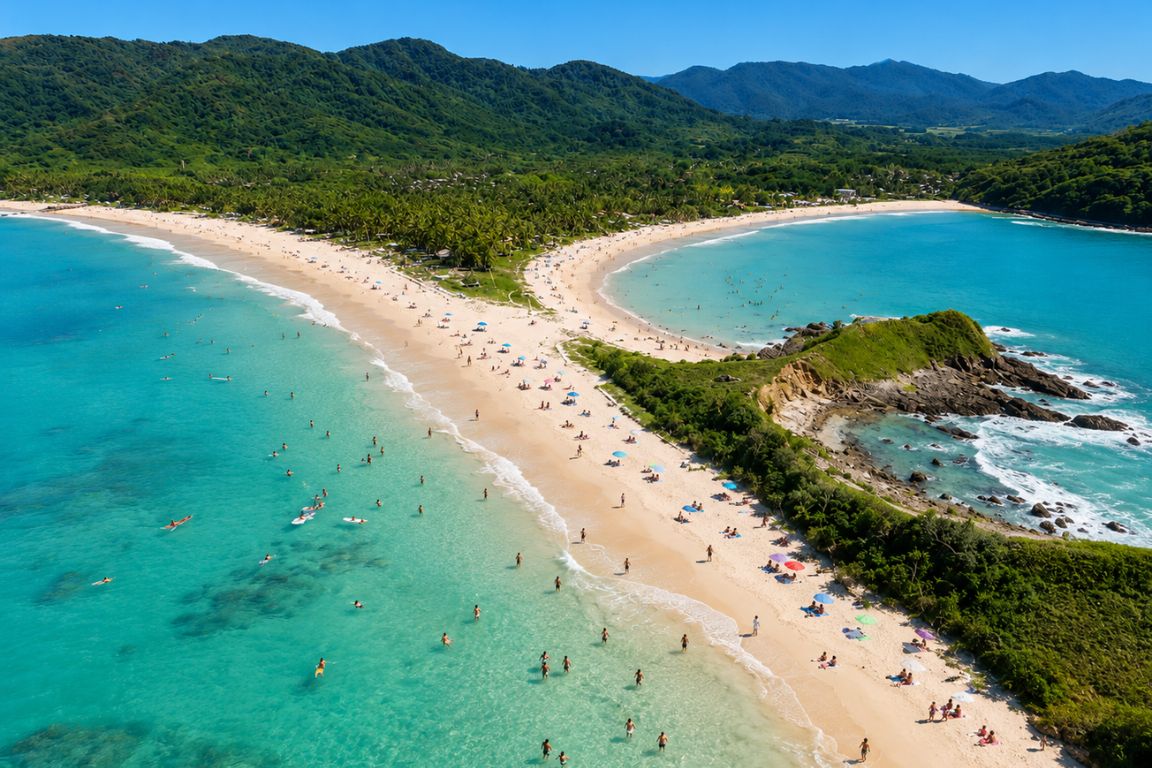
The fastest way to halve a day is simply not to book a tour. A rest day, walking the town, eating well and lazing on Las Cabanas or Corong Corong for sunset, can cost under PHP 1,500 all in. Most people over-schedule El Nido and burn out on back-to-back boat days. Building in one or two slow days is both cheaper and better for the trip.
What Does It Cost To Reach El Nido?
Getting there is often your single biggest line. An AirSwift flight from Manila to the Lio strip runs from roughly $80 to $160 one way. The cheaper route flies into Puerto Princesa, then a shared van of around PHP 700 to 800 covers the five-hour road north. From Coron, a fast ferry crosses in about three and a half to four hours.
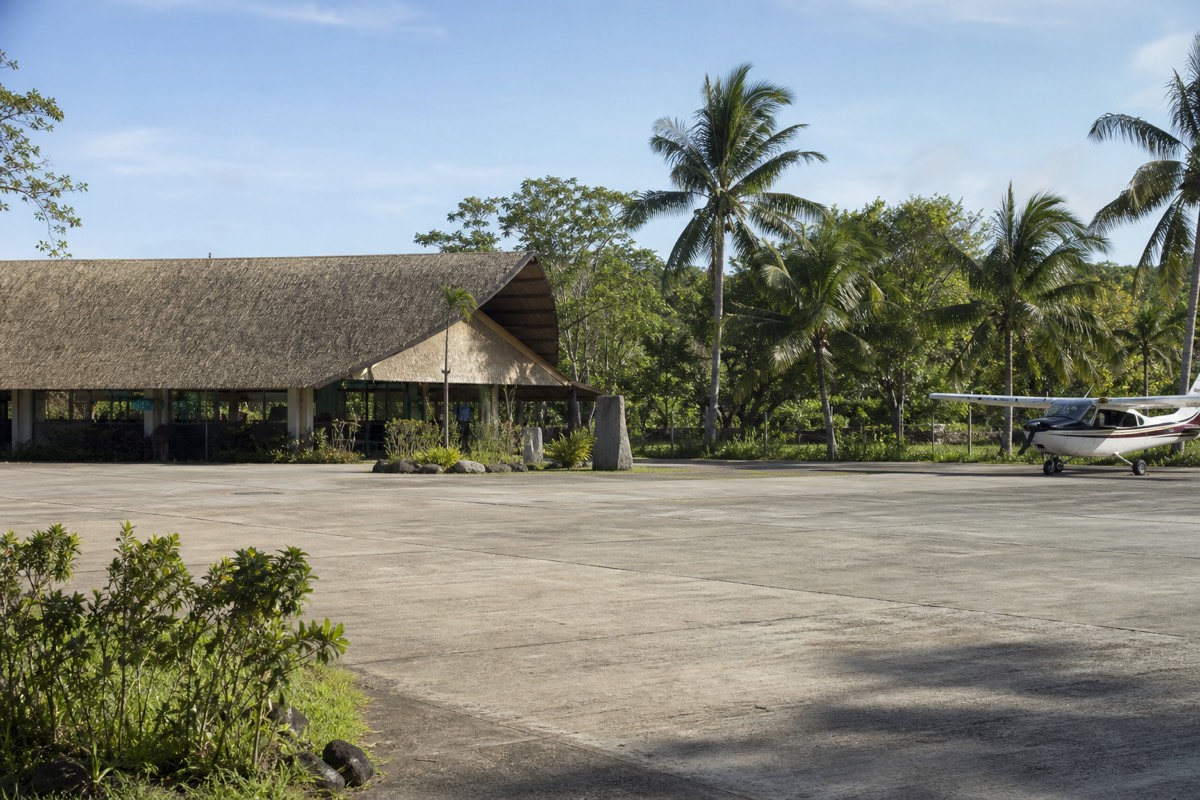
Flying straight into El Nido saves the better part of a day, and for a short trip that time is worth paying for. The trade-off is a small prop plane, tight luggage limits and fares that spike in peak weeks. Flying into Puerto Princesa is almost always cheaper on the ticket, but you spend the savings in road hours. We keep the full route rundown on our guide to how to get to El Nido, so this page stays focused on the money.
| Route | Rough cost | Travel time |
|---|---|---|
| AirSwift, Manila to El Nido (Lio) | $80 to $160 one way | about 1 hr 15 min |
| Fly to Puerto Princesa, then shared van | PHP 700 to 800 for the van | roughly 5 hours by road |
| Fly to Puerto Princesa, then private van | PHP 7,500 to 9,000 per van | roughly 5 hours by road |
| Fast ferry from Coron | check the current fare | about 3.5 to 4 hours |
Whichever way you come, book the flight or the van seat early in the dry-season peak. Check actual departure times and fares before fixing the rest of the itinerary.
One more cost people forget: your bags. The small planes into Lio enforce tight baggage limits, and excess weight is charged by the kilo, so pack light or budget for the overage. If you are moving on to Coron or back to Puerto Princesa afterwards, price that onward leg now too, since a one-way fare booked late is rarely kind.
How Much Do The Four Island-Hopping Tours Cost?
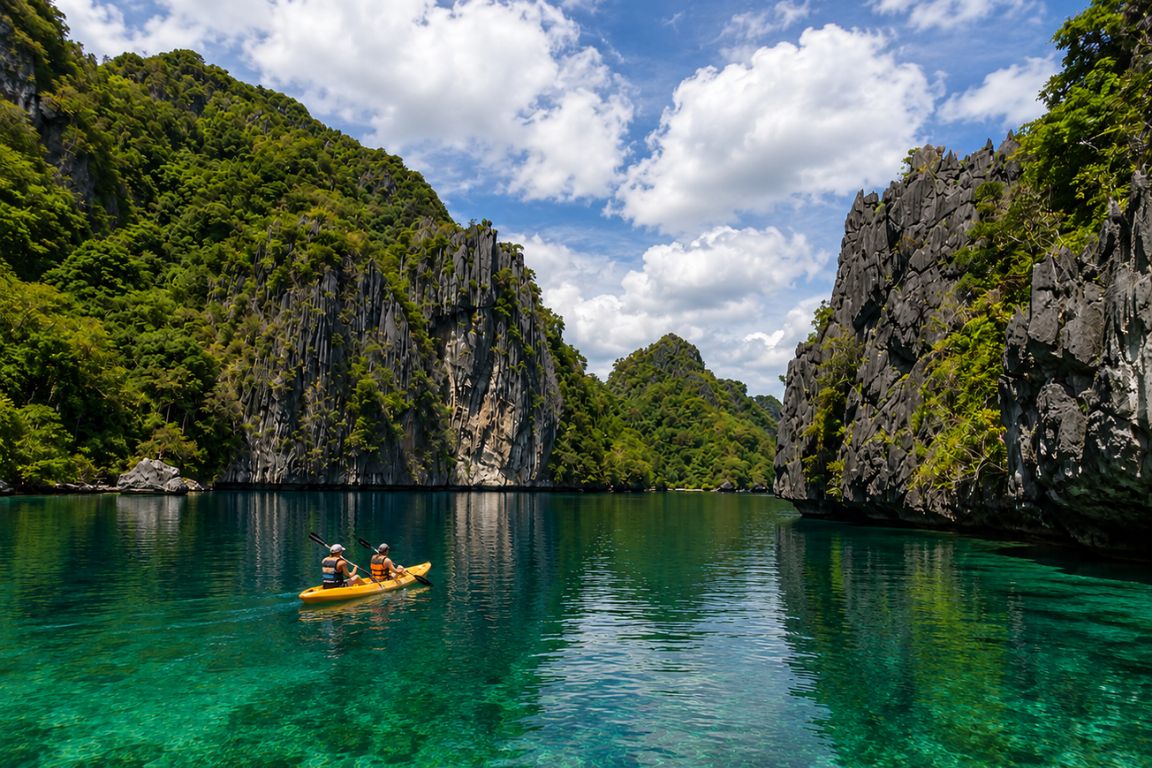
The four classic tours are the best value on the water. Shared seats run from around $25 for Tour A up to about $30 for Tour C, with lunch and life vests listed; snorkel equipment and other extras depend on the selected option. Book the same boat privately for your group and the total lands near $143 to $148. Prices move, so always check the live listing.
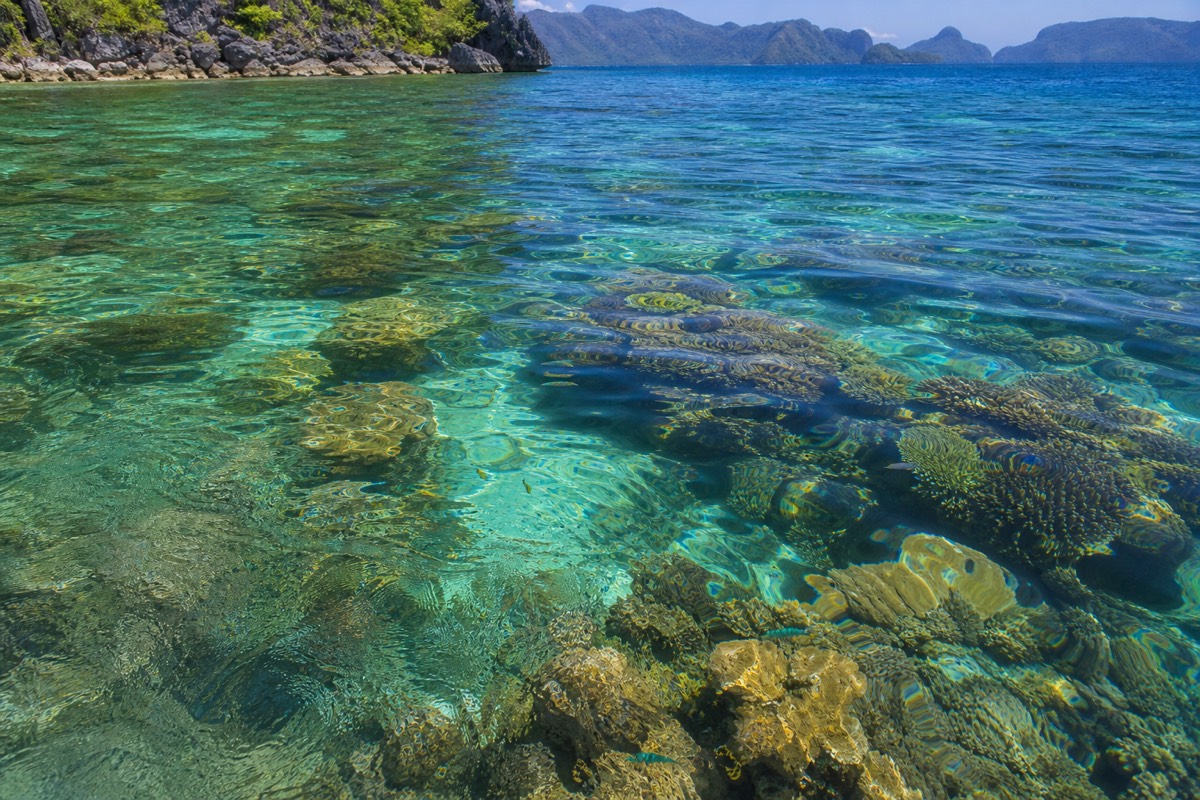
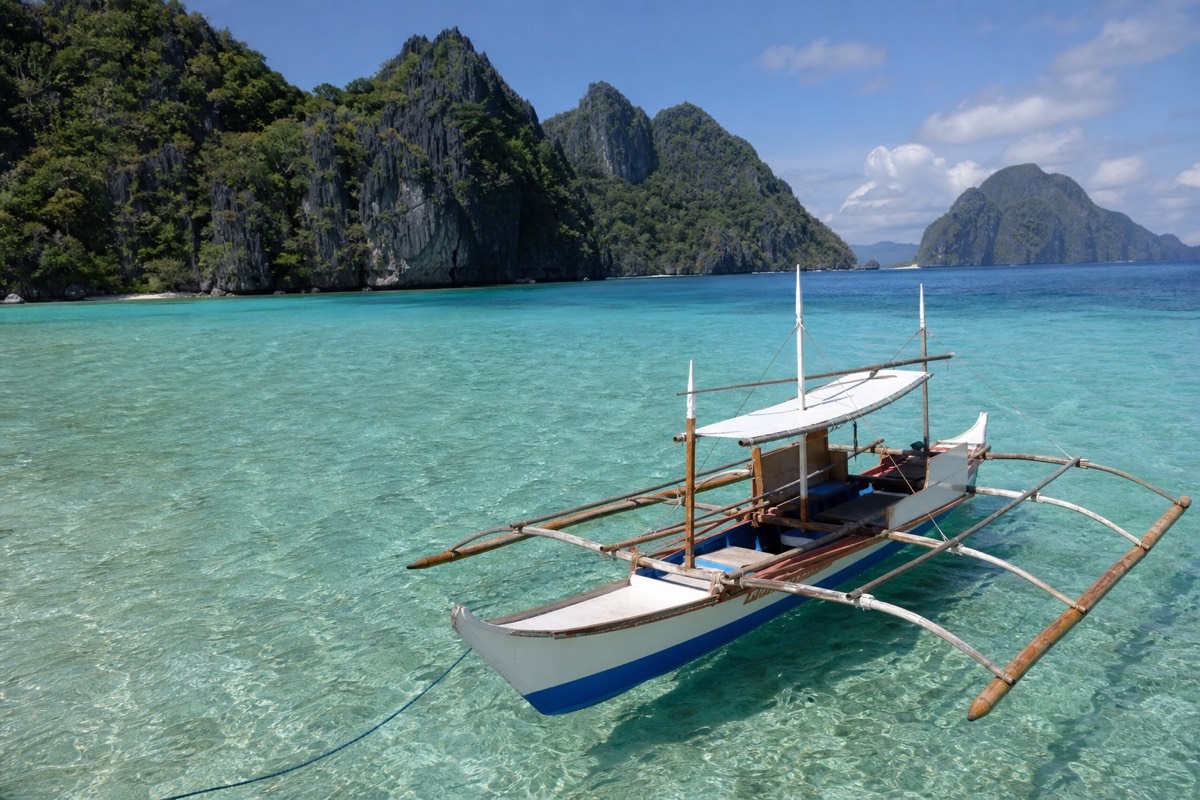
All four run on the traditional wooden bangka outriggers, with bench seating and a shaded canopy. Shared boats carry up to about 25 people, which is fine for the open stops and a little busy at the lagoon mouths. A private charter puts the same boat, crew and lunch at your group's pace, which matters most if you want early lagoons before the fleet arrives. If you are weighing the four itineraries, how the four tours compare lays them side by side.
| Tour | Signature stops | Shared, per person | Private, whole boat |
|---|---|---|---|
| Tour A | Big Lagoon, Secret Lagoon, Shimizu, Seven Commandos | around $25 | around $143 |
| Tour B | Snake Island sandbar, Cudugnon Cave, Entalula, Pinagbuyutan | around $29 | around $148 |
| Tour C | Hidden Beach, Secret Beach, Helicopter Island, Matinloc Shrine | around $30 | around $145 |
| Tour D | Cadlao Lagoon, Paradise Beach, Pasandigan, Bukal | around $27 | around $145 |
| Big Lagoon Kayaking, full day | Big Lagoon focus, slower pace | around $22 | shared format |
Every figure there is a guide price, not a fixed rate. Booking online in advance locks the seat and the lunch, and it lets you pay by card, which quietly solves the cash problem covered further down. If you want the boat to yourselves, our rundown of a private El Nido tour covers what the upgrade buys you.
Two bigger-ticket experiences sit outside the A-to-D lineup. A full-day trip to the Puerto Princesa Underground River, a long day on the road each way, runs around $283, and the multi-day Coron to El Nido castaway expedition, with overnight beach camps, is nearer $322. Both are check-the-live-listing prices, so check their actual dates and terms before arranging the rest of the trip. Neither is a daily cost, so treat them as a one-off splurge line rather than part of the daily rate.
What Fees Do You Pay On Top Of The Tour Price?
Two charges are unavoidable and never sit inside the tour price. The eco-tourism environmental fee is around PHP 400, valid for roughly five to ten days and paid in person on arrival. Inside Tour A, the Big Lagoon users' fee adds about PHP 200, and a kayak runs another PHP 300 to 500 for the lagoon.

The environmental fee funds the protected waters you have come to see, so keep the paper receipt, because tour operators will ask for it before your first boat day. It covers you for several days of tours, not per trip, so you pay it once for a normal stay. The lagoon extras only apply where you actually use them: kayaking Big Lagoon and Small Lagoon carries the users' fee and the paddle rental, while a straight snorkel stop does not.
| Fee | Rough cost | When you pay |
|---|---|---|
| Eco-tourism environmental fee | around PHP 400 | on arrival, before your first tour |
| Big Lagoon users' fee | around PHP 200 | on the day, at the lagoon |
| Kayak rental per lagoon | around PHP 300 to 500 | on the day |
| Aqua shoes rental | around PHP 100 | on the day, optional |
None of these are large on their own, but they are cash-only and they add up across a few days. Set aside a few hundred pesos a day for on-the-water extras and you will never be caught short at a lagoon entrance.
A small warning on the receipts and wristbands: keep whatever you are given. Losing your environmental-fee proof can mean paying it a second time, and the lagoon and kayak fees are collected on the spot with no card option. This is the part of the trip where a few hundred pesos in small notes, kept dry, saves a lot of friction.
How Much Should You Budget For A Place To Stay?
A hostel dorm bed sits around PHP 800 to 1,000 a night. A clean air-conditioned private room in town runs roughly PHP 1,500 to 2,500, and beachfront or resort rooms climb past PHP 4,000. Book early for the dry-season peak, and compare the rate for your actual travel dates.
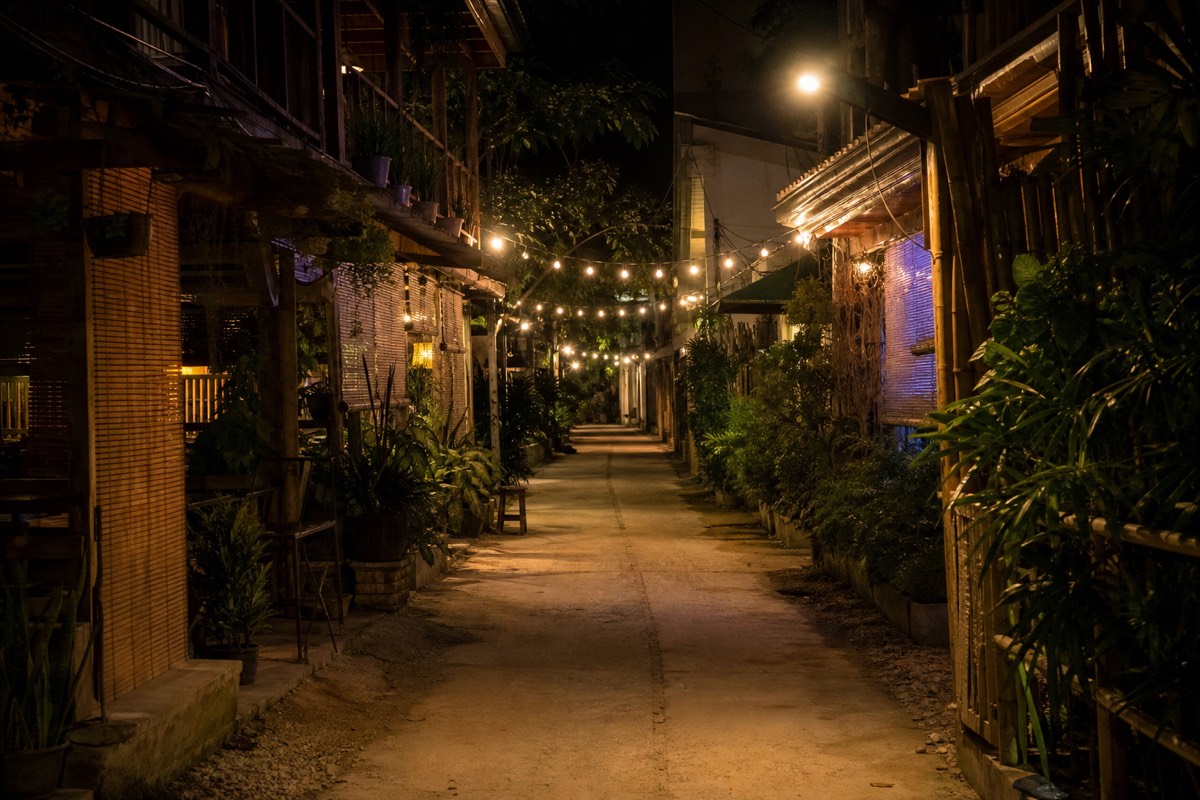
Location changes the price more than the star rating. A fan room a few blocks back from the water is the cheapest roof in town, while anything with a sea view or a pool near Corong Corong or Las Cabanas commands a premium. The town centre keeps you walking distance from the pier and the restaurants, which saves on tricycles and matters more than most people expect on a short trip. Our guide to where to stay in El Nido breaks down the neighbourhoods.
| Type | Rough nightly rate | Good for |
|---|---|---|
| Hostel dorm bed | PHP 800 to 1,000 | solo and social travellers |
| Fan room, town | PHP 600 to 900 | tightest budgets, cooler months |
| Air-conditioned private room, town | PHP 1,500 to 2,500 | couples, comfort on a budget |
| Beachfront or resort room | PHP 4,000 and up | views, pools, honeymooners |
Those rates are shoulder-season normal. Book a stay across the dry-season peak around Christmas, New Year or Holy Week and expect the higher end, sometimes well past it, with the best-value rooms gone weeks ahead.
A practical note on paying for the room: many small guesthouses ask for a deposit or the full stay in cash on arrival, and a few add a surcharge on the rare card they accept. Read the booking terms, and fold the room into the cash you carry rather than assuming you can settle it by card at the desk.
What Does Food And Drink Cost Each Day?
You can eat very well for very little. A carinderia plate of local food runs PHP 100 to 150, a beach or casual lunch PHP 150 to 350, and a proper restaurant dinner PHP 300 to 600 a head. A cold local beer is about PHP 60, a fruit shake around PHP 120. Feed yourself well for PHP 500 to 800 a day.
The carinderias, the small local eateries with the day's dishes laid out, are the budget backbone and often the best food in town. The tourist strip runs pricier, with wood-fired pizza, fresh seafood and cocktails that would not look cheap anywhere. Mixing the two, a carinderia lunch and a strip dinner, keeps quality high and the daily total sane. For the pick of the tables, see our guide to where to eat in El Nido.
| Item | Rough cost |
|---|---|
| Carinderia meal | PHP 100 to 150 |
| Beach or casual lunch | PHP 150 to 350 |
| Restaurant dinner | PHP 300 to 600 |
| Local beer, 0.33 L | around PHP 60 |
| Fresh fruit shake | around PHP 120 |
| Bottled water, large | PHP 30 to 60 |
One quiet saving: your buffet lunch is already inside the four island-hopping tours, so on a boat day you really only pay for breakfast and dinner. That is worth remembering when you tally a week.
Alcohol is where a tight budget quietly leaks. Beers at PHP 60 add up over a long strip evening, and cocktails on the tourist strip are priced for holiday mode. If you are watching pesos, the carinderias and the local sari-sari stores keep the day cheap, and you can save the strip for one proper night out rather than every night.
How Do You Get Around, And What Does Transport Cost?
In town you rarely need transport at all, because most of El Nido is walkable in about ten minutes. A short tricycle hop costs a small fixed fare, roughly PHP 50 to 150 depending on distance. Reaching the northern beaches by land is the pricier trip: Nacpan Beach runs around PHP 250 to 500 one way by tricycle.
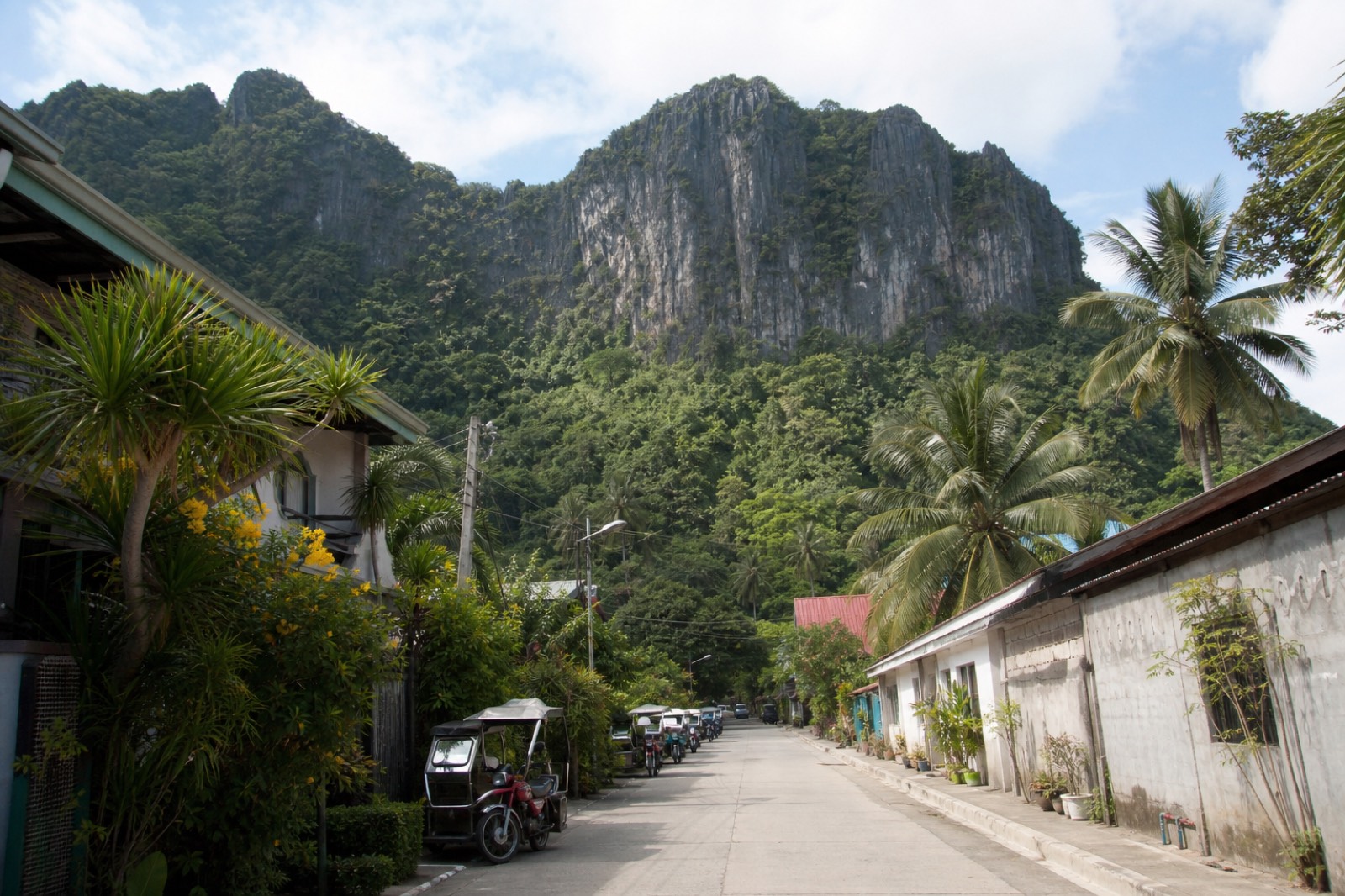
The tricycle is the workhorse for pier runs, late dinners and the ride in from the Lio airport strip. Agree the fare before you climb in, since there is no meter. For the day trips north the numbers change: a private tricycle to Nacpan Beach or Duli holds up to four and often costs PHP 1,000 to 1,500 return, while a shared van seat is cheaper per head. Renting a scooter for the day, around PHP 350 to 600, gives you the beaches and the viewpoints at your own pace if you are confident on two wheels.
| Trip | Mode | Rough cost |
|---|---|---|
| Short hop around town | tricycle | PHP 50 to 150 |
| Town to Nacpan or Duli, one way | tricycle | PHP 250 to 500 |
| Town to Nacpan, round trip | shared van | PHP 700 to 800 |
| Scooter or motorbike | self-drive | PHP 350 to 600 per day |
| Lio airport to town | tricycle or van | PHP 200 to 400 |
For most visitors the transport budget is small and lumpy: near zero on town days, a spike on a beach-run day. Plan the northern beaches for a single day and you keep the whole line tidy.
If you rent a scooter, factor in fuel, a small daily figure, and ride within your limits. The coastal roads north are scenic but rough in patches, with soft sand near the beaches and the odd deep pothole, and a minor spill can turn into a medical bill that dwarfs everything else on this page. Wear the helmet, test the brakes before you leave the shop, and photograph any existing scratches so you are not charged for them on return.
Why Must You Carry Cash, And How Much?
Bring more pesos than you think, in cash. ATMs in El Nido town are unreliable and can sit offline for days, especially over long weekends and in peak season. Draw your cash in Puerto Princesa or Manila first. Booking tours online in advance lets you pay by card and sidesteps the machine entirely.
This is the mistake that catches the most people. A single working ATM can develop a queue down the street, or run dry, right when the whole town needs it. Many small guesthouses, carinderias and tricycle drivers take cash only, and card terminals on the strip fail with the same patchy signal the ATMs run on. Our rule of thumb: carry enough pesos for your fees, food and transport for the whole stay, kept somewhere secure, and top up before you ever reach El Nido.
Cards do work in the bigger resorts, dive shops and some strip restaurants, but outages are common enough that you should never lean on plastic for the day-to-day. Keep your pesos split between two places, carry small notes for tricycles and fees, and treat any working ATM you pass early in the trip as a chance to top up, not a promise it will be working when you next need it.
The one line you can pre-pay is the boat. Booking through El Nido Tours in advance means your seats, lunch and gear are already paid before you land, so a dead ATM never costs you a day on the water. That single step removes the biggest cash shock from the trip.
What Does A Four-Day El Nido Trip Really Cost?
For a four-day stay with two shared boat days, a backpacker lands around PHP 12,000 to 15,000 on the ground, a mid-range traveller roughly PHP 22,000 to 30,000, and the comfort tier PHP 45,000 and up. None of those include your flights, which are the wildcard covered above.
Four days is the sweet spot most visitors settle on: two of the classic tours, one land or beach day, and a slower final morning. If you want the full pacing, our day-by-day El Nido itinerary maps it out. Stretch to five or six days and the daily rate actually drops a little, because the fixed costs, the environmental fee and the airport transfers, spread across more days on the water.
How Can You Cut Costs In El Nido Without Missing The Water?
The real savings come from sleeping cheaper and sharing the boat, not from skipping tours. A town fan room or a dorm, shared island-hopping seats, carinderia meals and one paid boat day between free beach days keep a trip cheap while you still get on the water. The tours are the last line to cut, because they are why you came.
A few habits do most of the work. Book the boat you care about most as a shared seat rather than a private charter unless you are splitting the cost across a family. Eat at least one meal a day at a carinderia, where a full plate runs a fraction of a strip dinner. Stay a few blocks back from the water, walk instead of taking tricycles around the compact town, and buy water and snacks from a sari-sari store rather than a beachfront bar. Then build in a free day or two, because a sunset at Corong Corong and a swim off the town beach cost nothing and give your budget and your skin a rest.
- Share the boat; go private only if a group splits the fare.
- Alternate paid boat days with free beach-and-sunset days.
- Mix carinderia lunches with the occasional strip dinner.
- Draw pesos before you arrive so a card surcharge or dead ATM never forces a pricier choice.
- Compare the four routes first so you pay for the ones you actually want.
That last point saves more than it sounds. Picking the right tours up front, using our look at the four classic island-hopping tours, means you spend on the days that suit you rather than booking a fourth boat trip you did not need.
What Do Taraw, Diving And The Land Activities Cost?
Off the water, the guided Taraw climb is a modest per-person fee, a beginner scuba session and the off-road jeepney land day sit in the mid-range, and beach days cost little more than transport and lunch. None of them rival a private boat, so a land day is almost always a cheaper day than a boat day.
This is the part of the budget most people underestimate in the wrong direction: they assume the non-boat activities will pile up, when in fact they are the cheap days. The guided climb up the cliff is inexpensive for a geared, hour-or-two activity, and our Taraw Cliff guide breaks that fee down. A land day at the northern beaches costs a tricycle or a scooter and a beach lunch. Compare scuba per-person pricing, the adults-only jeepney fare and the complete private-boat quote for your actual party; they are not interchangeable costs. The one genuinely big-ticket land day is the Underground River, because the long road transfer is baked into the price. For the full menu of what fills the non-boat days, see our guide to things to do in El Nido .
| Activity | Rough cost | Note |
|---|---|---|
| Guided Taraw climb | modest per-person fee | gear and guide included; see the Taraw guide |
| Beginner scuba session | mid-range; check the live listing | no certification needed |
| Off-road jeepney land day | mid-range; check the live listing | includes lunch and transport |
| Beach day, Nacpan or Duli | transport plus lunch | tricycle, van or scooter |
| Underground River day trip | higher; check the live listing | price reflects the long road transfer |
Is El Nido Expensive Compared With Boracay Or Coron?
El Nido is not the cheapest beach town in the Philippines, but it is a long way from the priciest. Getting there costs more than a mainland resort, and the boat tours are its signature spend, yet food, local transport and simple rooms stay genuinely cheap. Coron sits at a similar level; Boracay leans more resort-priced overall.
What makes El Nido feel expensive is the access, not the daily life once you arrive. The small-plane flight or the long van from Puerto Princesa is a real cost, and it is unavoidable, so a short trip carries a heavier travel line per day than a longer one. On the ground, though, a carinderia plate, a tricycle hop and a shared boat seat are cheap by any standard. Coron works out much the same way, a similar remote-island economy, which is why many travellers weigh the two together; our El Nido versus Boracay comparison and our El Nido versus Coron breakdown set the trade-offs side by side. Boracay is easier to reach and more built up, which tends to push its rooms and nightlife higher, while El Nido spends its money on the water instead.
Wherever you land on the scale, the boat days are the part you remember and the part worth protecting in the budget. Sort the flights, carry your pesos, and book the water before you go, and El Nido turns out to be far kinder on the wallet than its postcard reputation suggests.