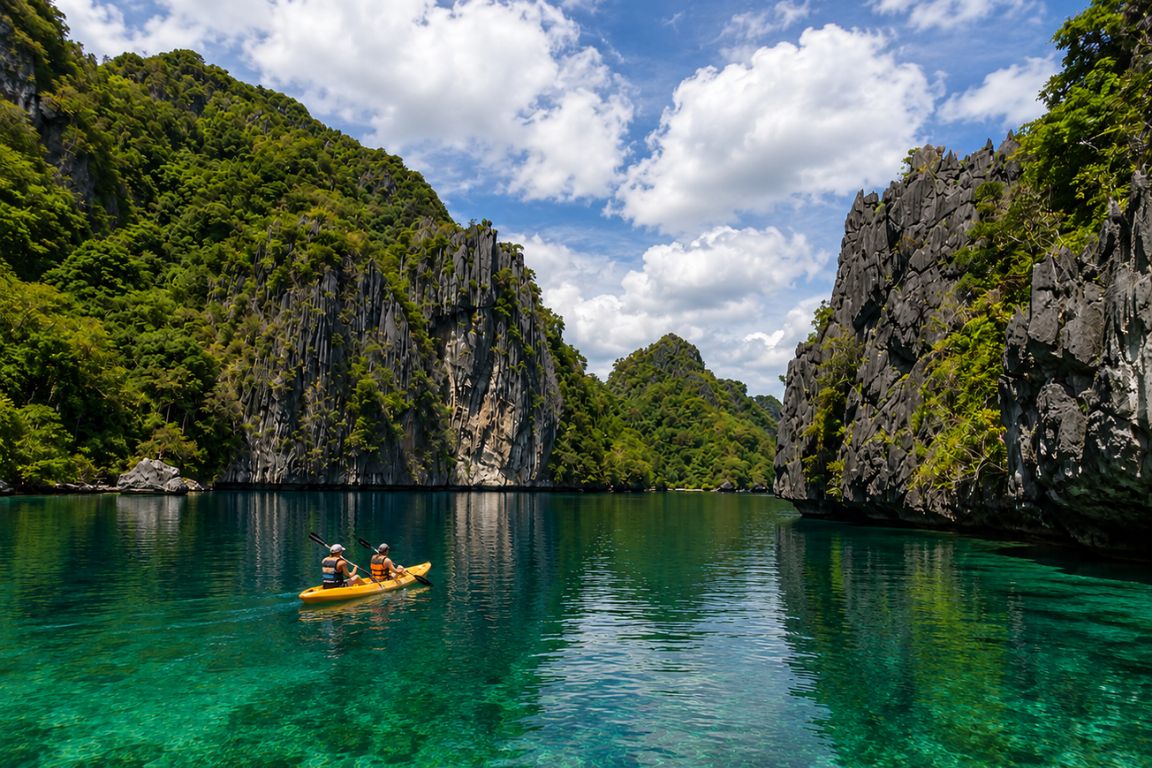
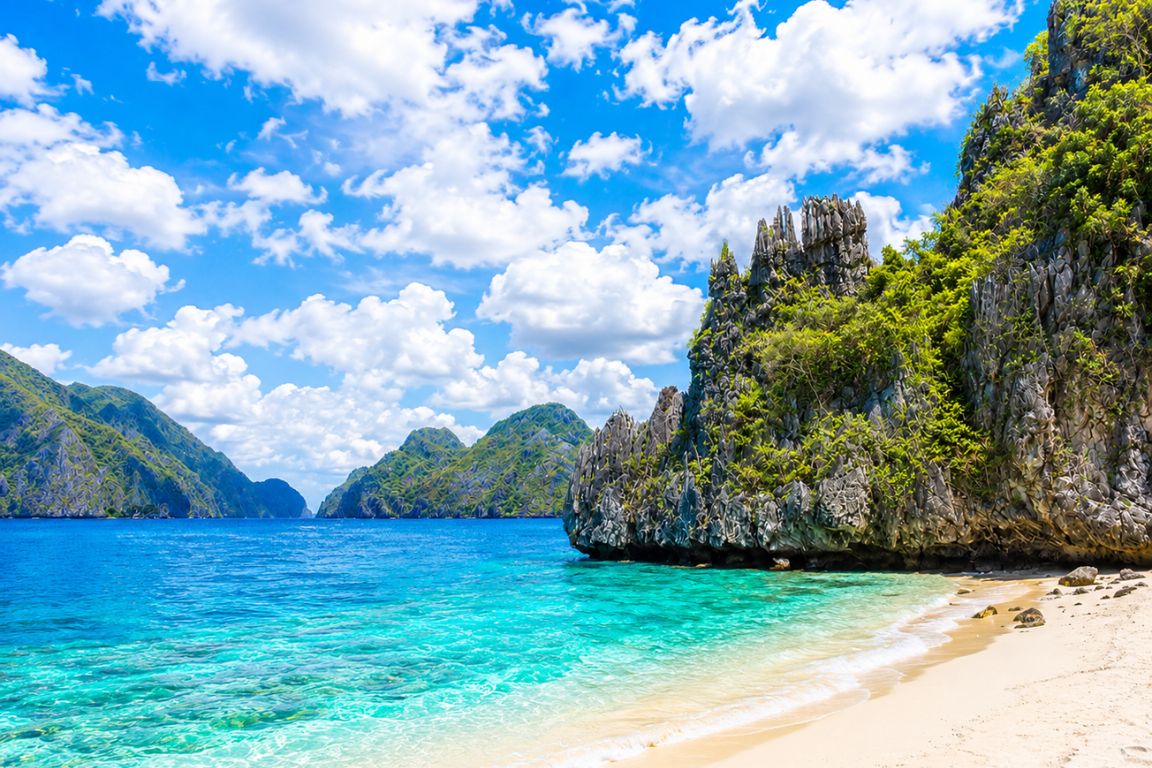
El Nido Vs Boracay: Which Philippine Beach To Choose
El Nido and Boracay are the two big names on any Philippines beach trip, and they suit very different travellers. Here is how they really compare.
Keep Boracay if its walkable beach holiday suits you better; compare an El Nido boat day only if lagoons or reefs are the reason to come. Compare Your El Nido Options Below.
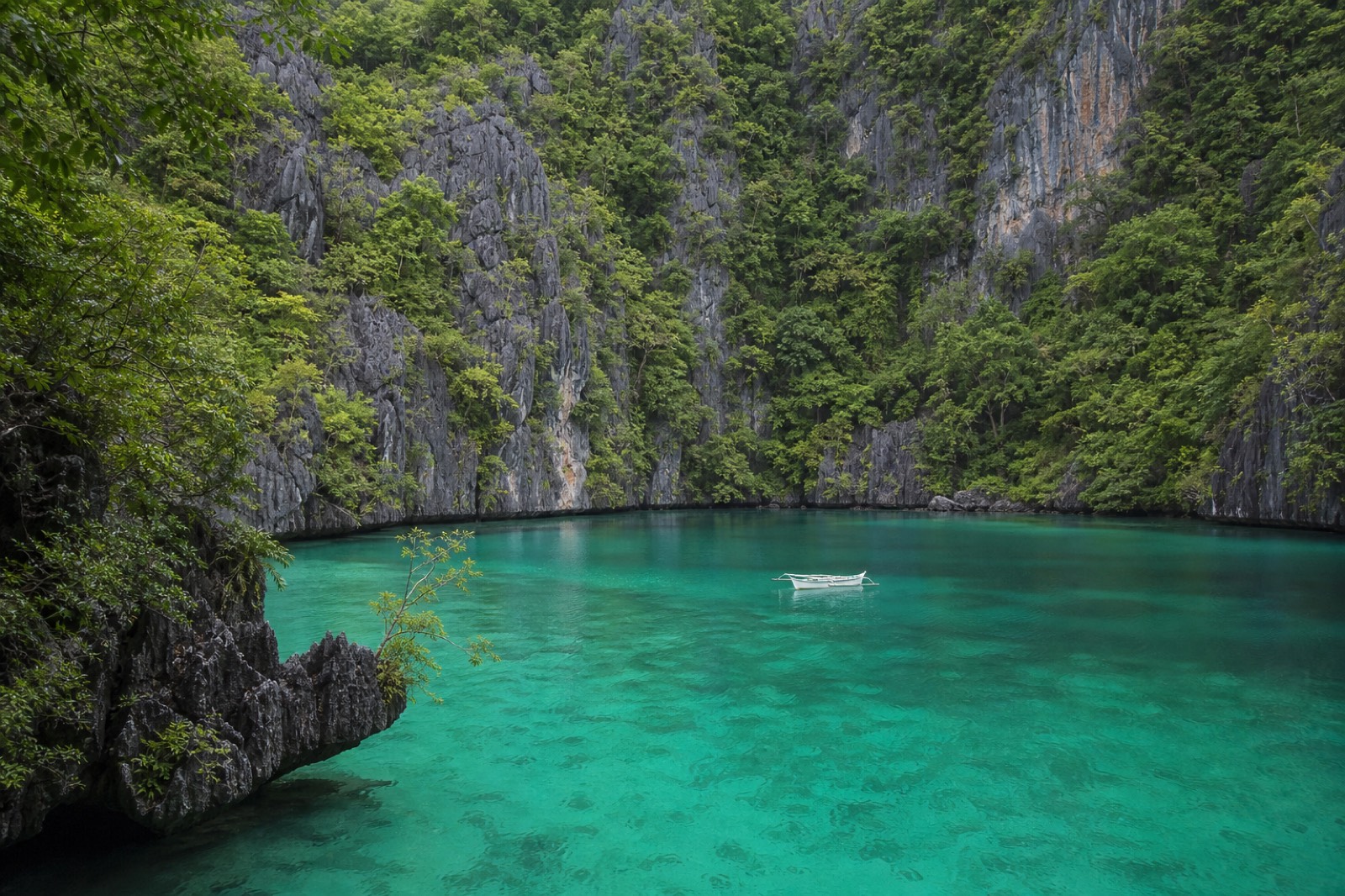
Two names dominate almost every Philippines beach shortlist, and they could hardly be more different. El Nido is a jagged, adventurous archipelago you explore by boat. Boracay is a resort island built around one long, famous stretch of white sand. Pick the wrong one and you spend a week wishing you were somewhere with a different pulse. Our team runs the water in El Nido, so we will be straight about where each place wins and where it does not. We are obviously partial to the archipelago, but a great trip is the one that matches you, and for plenty of travellers that answer is Boracay.
- Boracay centres on resort beach time; El Nido’s signature sights need boat days.
- Protect a full travel day between destinations.
El Nido Or Boracay: Which Should You Choose?
Choose El Nido for dramatic scenery, island hopping, lagoons, and a slower, nature-first trip. Choose Boracay for a long white-sand beach, easy resorts, water sports, and lively nightlife. El Nido is the adventure; Boracay is the beach holiday. Many travellers with time simply do both, since they cover different moods.
The honest way to decide is to picture your ideal day. If it looks like a boat pulling into a hidden lagoon with cliffs closing overhead, that is El Nido. If it looks like a sun lounger, a cold drink, and a walkable strip of bars by night, that is Boracay. The table below sets the two side by side on the things that actually shape a trip.
| What matters | El Nido | Boracay |
|---|---|---|
| Main draw | Bacuit Archipelago island hopping and limestone lagoons | White Beach and resort beach life |
| Overall vibe | Nature, adventure, laid-back | Resort, social, party |
| Best beach experience | Hidden coves and lagoons reached by boat | One long, soft, walkable white-sand strip |
| Nightlife | Small, mellow bar and restaurant strip | Busy bars, clubs, and a beachfront scene |
| Water activities | Island hopping, kayaking, snorkelling, diving | Parasailing, kitesurfing, jet ski, diving |
| Getting there | Fly to El Nido (Lio) or via Puerto Princesa | Fly to Caticlan, then a short boat to the island |
| Pace | Slow, one boat tour a day | Easy, walk-everywhere resort island |
One more way to frame it: El Nido is a place you go to do things, and Boracay is a place you go to relax and be entertained. In El Nido the highlight is out on the water and you build the day around a boat. In Boracay the highlight is the beach outside your hotel and everything else orbits it. Neither is right or wrong, but the mismatch is where disappointment comes from.
What Is The Vibe Like In El Nido Vs Boracay?
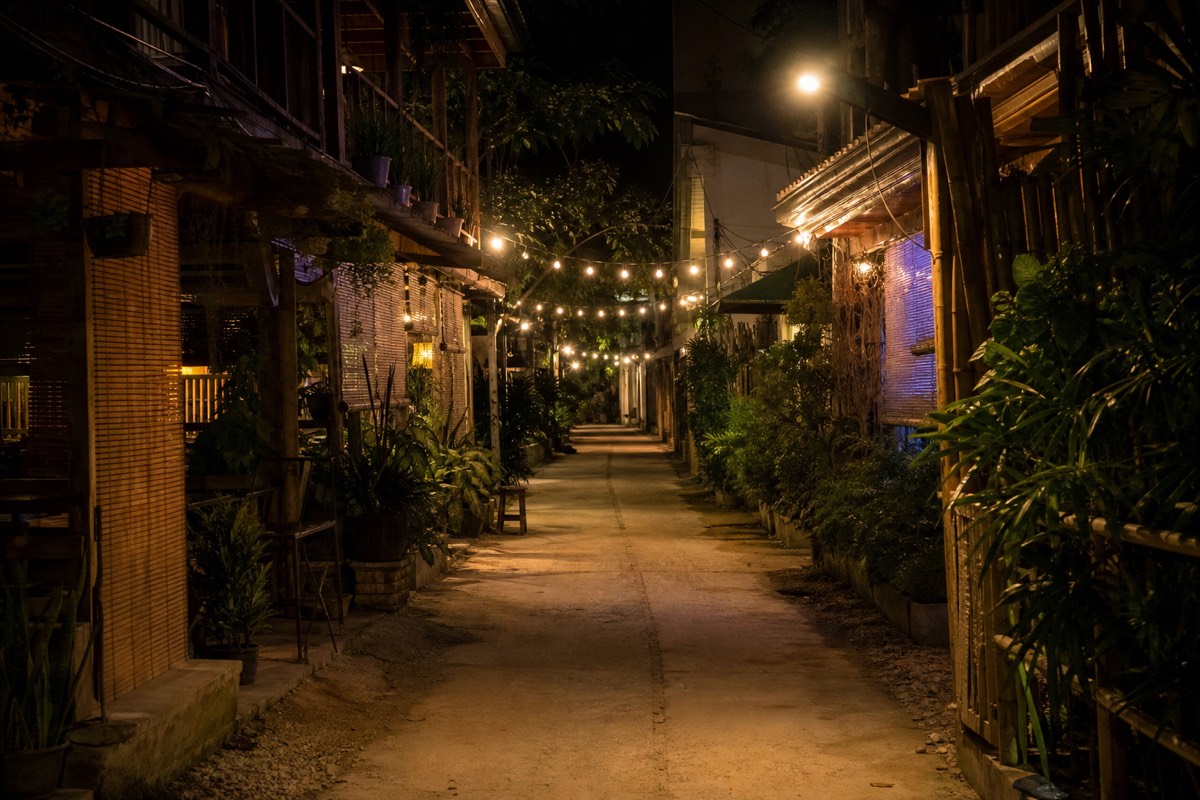
El Nido feels like a frontier: a compact town under a limestone cliff, tricycles on dusty streets, and days spent out on the water. Boracay feels like a resort island, walkable and polished, organised around beachfront bars, hotels, and restaurants. One is adventure with rough edges; the other is comfort and convenience.
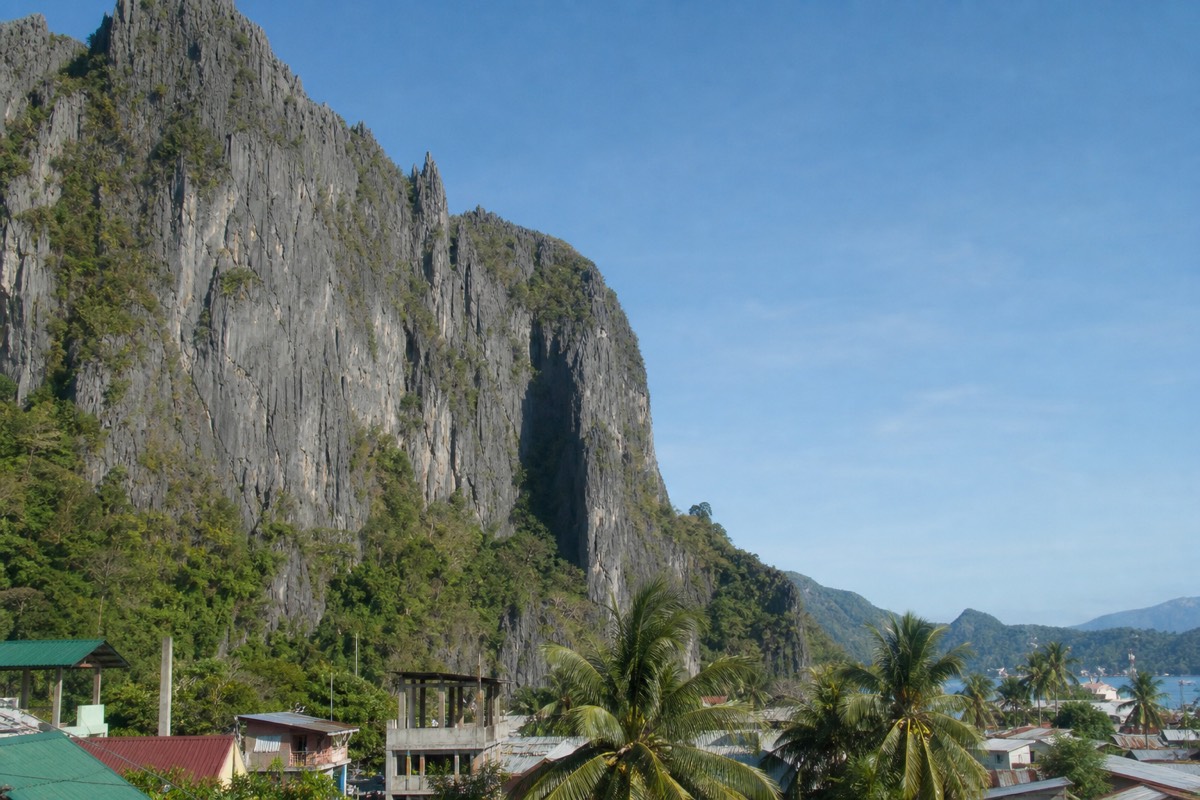
In El Nido, Taraw Cliff rises straight behind town and the whole rhythm bends toward the boats. Mornings are early, the streets are casual, and by mid-afternoon everyone is back from the archipelago, salty and sunburnt. It is beautiful and a little raw, which is exactly the appeal for some travellers and the drawback for others.
The town itself is small and easy to cover on foot, with a strip of restaurants and bars near the waterfront that fills up once the boats come in. Tricycles handle the short hops, and the beaches immediately south of town, Las Cabanas and Corong Corong, are where people drift for sunset. It is social without being a party town, which suits travellers who want a good meal and a drink more than a nightclub.
Boracay is the smoother experience. The island went through a government-led clean-up a few years back and reopened with tighter rules on the beach, and today it is geared around White Beach: resorts of every budget, restaurants a short stroll from the sand, and a nightlife scene that El Nido does not try to match. If you want an adventure-versus-adventure alternative in the same region, how El Nido compares to Coron is the more useful matchup.
How Do The Beaches Compare?
Boracay wins on a single classic beach: White Beach is a long, powder-soft, walkable strip that is hard to beat for pure sand. El Nido wins on variety and drama: dozens of small beaches and lagoons scattered across the archipelago, most reached only by boat, plus long land-accessible sands like Nacpan north of town.
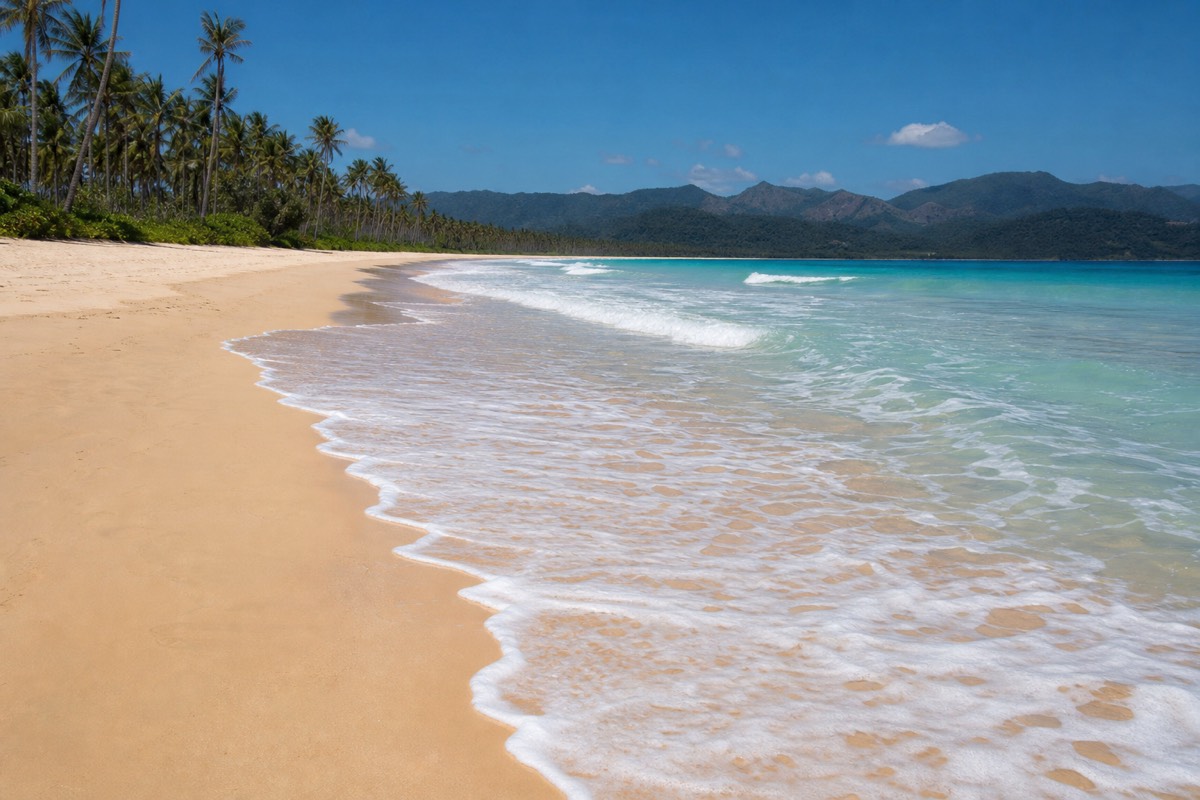
It comes down to what a great beach means to you. Boracay's is about the sand itself, wide and fine and easy to reach on foot. El Nido's are about the setting, tucked under towering karst, quiet at the right hour, and earned by a boat ride.
| Beaches | El Nido | Boracay |
|---|---|---|
| Signature spots | Big and Small Lagoons, Seven Commandos, Nacpan | White Beach, a long white-sand strip |
| How you reach them | Mostly by boat, some by tricycle or van | Walk straight from your hotel |
| Sand or scenery | Scenery-first, dramatic limestone karst | Sand-first, soft and wide |
| Crowds | Busy lagoons midday, but quiet corners exist | Busy along White Beach, especially at sunset |
Worth understanding is what counts as a beach in El Nido. Many of the famous names, Seven Commandos and Shimizu and Entalula, are boat-tour stops you land on for an hour, not places you stroll to from a hotel. The genuinely walkable, stay-all-day beaches are the land-accessible ones: Nacpan and Duli to the north, Las Cabanas and Corong Corong to the south. Boracay flips that ratio entirely, with its one long beach the centre of the whole island rather than a distant stop.
On the Boracay side, White Beach runs for several kilometres of fine white sand and is informally divided into sections, with quieter stretches at one end and the busier bars and hotels toward the middle. A paved beachfront path runs its length, which is why so much of Boracay life happens on foot. That single, continuous, walkable beach is the thing El Nido cannot replicate, just as El Nido's lagoons are the thing Boracay cannot.
If beaches are the reason you travel, our rundown of the beaches around El Nido shows the full spread, and the long, empty twin sands of Nacpan Beach are the closest El Nido gets to a Boracay-style walking beach. The famous set-piece, though, is the Big and Small Lagoons, and Boracay has nothing like them.
What Is There To Do In Each?
El Nido is built for island hopping, kayaking through lagoons, snorkelling reefs, and diving; the whole day revolves around the boat. Boracay leans into water sports and beach life: parasailing, jet skis, kitesurfing on its windward side, sunset sails, and a busier after-dark scene. Divers find good sites at both.
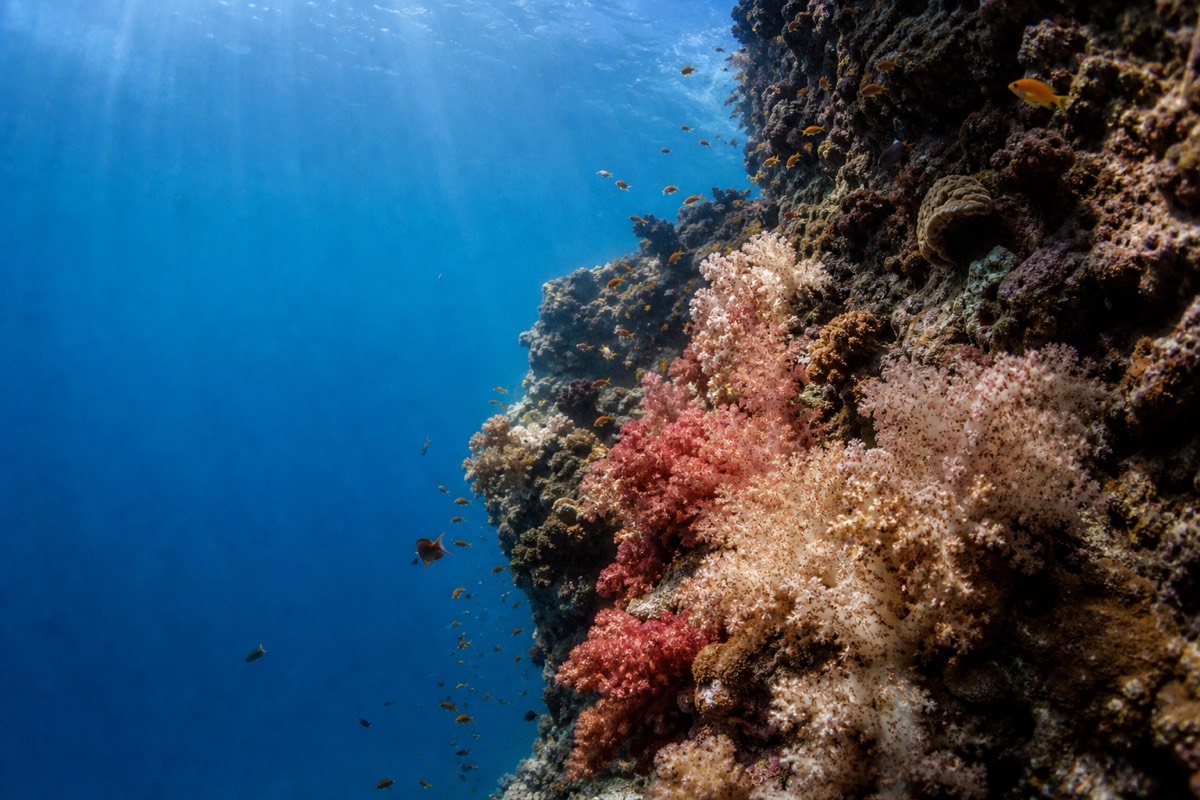
El Nido's headline activity is the four classic island-hopping routes, each stringing together five or six stops across Bacuit Bay. Boracay spreads its energy across the beach: rentable water toys by day, a well-known kitesurfing spot on the windward Bulabog side, and bars that fill up after dark.
| Activity | El Nido | Boracay |
|---|---|---|
| Island hopping | The main event, four classic routes | Limited |
| Lagoon kayaking | Yes, Big and Small Lagoons | No |
| Snorkelling and diving | Reefs across the archipelago | Yes, several sites |
| Kitesurfing / windsurfing | Limited | Yes, a known spot |
| Nightlife | Small and mellow | Large and lively |
| Sunset sailing | Catamaran group trips | Yes, very popular |
The island-hopping routes are worth knowing by name, because each has a character. Tour A, the signature day, links Big Lagoon with Secret Lagoon, Shimizu Island, and Seven Commandos Beach. Tour B adds cave archaeology and the Snake Island sandbar. Tour C is the dramatic snorkelling route out to Hidden and Secret Beaches and Helicopter Island, and Tour D is the quietest, closest to town. One tour a day is the standard pace, and most people start with Tour A.
Under the surface, both hold their own. El Nido's snorkelling happens right off the tour stops, with reef fish and coral in the shallows and the chance of a turtle, and its dive shops run reef and wall dives across the archipelago, best in the clear dry-season water. Boracay has its own established dive sites and easy snorkelling too. If diving is the whole reason for your trip, either works; if lagoons and dramatic scenery are, El Nido pulls ahead.
For the El Nido side, the four classic island-hopping routes are the place to start, and a catamaran adds a different boat format; confirm its actual departure time rather than assuming a sunset sail. There is plenty on land too, from Taraw to the northern beaches, gathered in our list of things to do in El Nido .
Which Has Better Food And Dining?
Both eat well, but differently. El Nido's dining is a compact, casual strip of seafood grills, Filipino plates, and traveller cafes that fills up when the boats return. Boracay spreads a wider, more international range along White Beach, from cheap eats to polished beach-club dining. Boracay has more choice; El Nido has an easier, salty-and-barefoot charm.
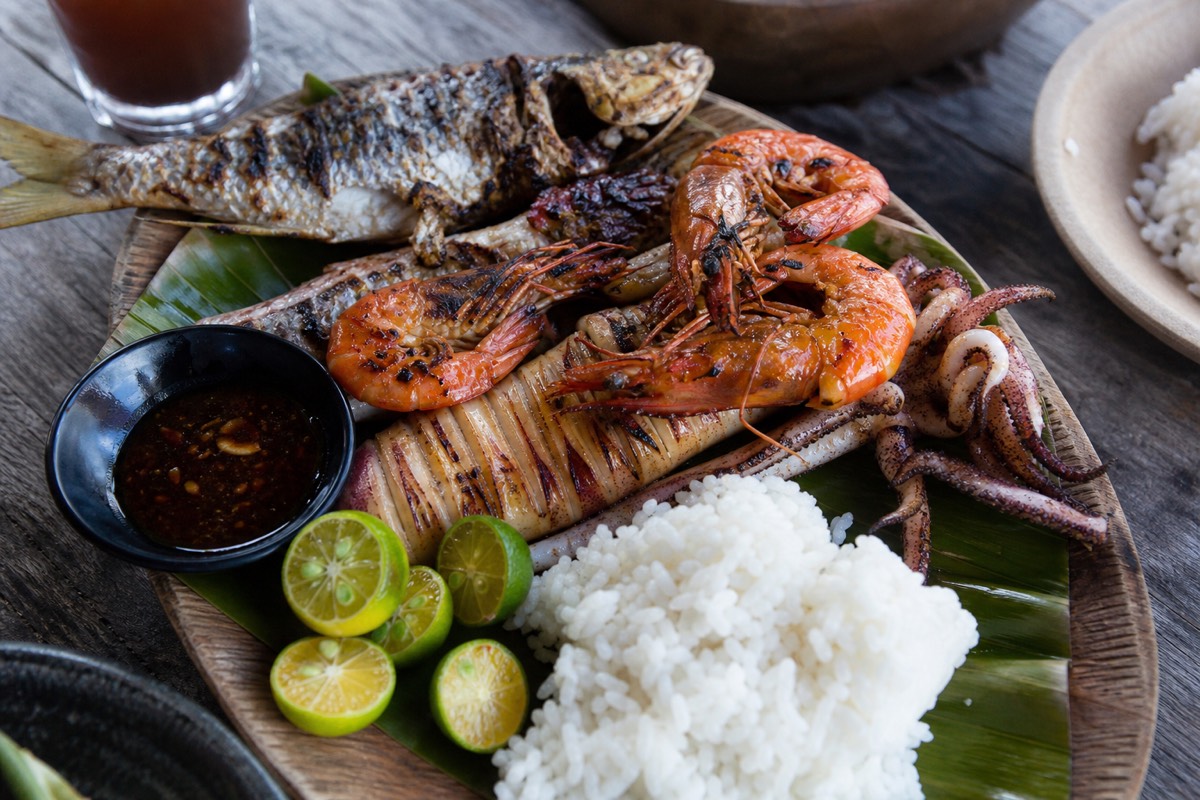
In El Nido the food scene lives on a handful of streets near the water, and it leans casual: fresh grilled fish, Filipino staples, wood-fired pizza, and cafes built for hungry travellers back from a day on the boat. Prices are reasonable by resort standards and the mood is unhurried. Boracay simply offers more of everything, with a longer list of cuisines, beachfront restaurants, and higher-end dining that reflects its resort scale. If you like deciding where to eat from twenty options, Boracay wins; if a good seafood dinner and a cold drink after the water is enough, El Nido delivers that without fuss.
One practical note for El Nido: the town's dinner rush tracks the boats. Everyone lands salty and hungry within the same hour or two of late afternoon, so the popular grills fill fast, and an early table or a reservation helps on busy nights. Boracay's beachfront dining runs later and longer, spread across enough places that you rarely wait. Neither island is a bargain right on the sand, but stepping a block back from the water drops prices in both.
How Do You Get To Each One?
Boracay is the easier arrival: fly into Caticlan, then a short boat and transfer to the island. El Nido takes more effort: fly into its small airport at Lio, or fly to Puerto Princesa and take a four to five hour van north. That extra travel is part of why El Nido stays wilder.
El Nido's own airport keeps things quick when it works for your budget, with AirSwift flights from Manila and Cebu into Lio. The cheaper route is usually a flight to Puerto Princesa followed by a long van ride, which is a real chunk of a travel day. Boracay's Caticlan gateway plus a brief hop across the water is simpler for most itineraries. Either way, El Nido and Boracay sit on different islands and are not close, so you fly between them rather than driving. The full breakdown of routes and transfers is in our guide to getting to El Nido.
Budget travellers should factor that Puerto Princesa van ride into their plans honestly, because a four to five hour transfer at each end eats the better part of two days. The trade is money for time: the direct flights into El Nido cost more but hand those hours back. Boracay rarely forces that decision, since Caticlan sits so close to the island that the transfer is measured in minutes rather than hours.
There is also a slower, scenic way into the El Nido region for those with time: the Coron-To-El-Nido Expedition boat between Coron and El Nido, which turns the journey itself into part of the trip. Nothing equivalent exists for Boracay, whose appeal is arriving fast and settling straight in.
Which Is More Expensive, El Nido Or Boracay?
Neither is a bargain in peak season, and your biggest cost in both is getting there. In El Nido, budget for the eco-tourism fee and daily tour costs; in Boracay, resorts and beachfront dining set the tone. El Nido can run leaner if you pick shared tours, while Boracay offers more at the luxury end.
Both places reward planning, and both climb in price during the December-to-May peak. The difference is where the money goes. In El Nido it flows into boat tours and the fees around them; in Boracay it flows into where you sleep and eat.
| Cost item | El Nido | Boracay |
|---|---|---|
| Getting there | Flights plus a van or boat transfer | Flights plus a short boat transfer |
| Signature activity | Shared island-hopping tour (around $25 to $30, check the live listing) | Water sports and beach clubs, priced per activity |
| Mandatory local fee | Eco-tourism fee around PHP 400 | Local environmental and terminal fees |
| Where money goes | Boat tours and on-the-day fees | Resorts and dining |
| Budget flexibility | Leaner with shared tours | Wide range, strong at the luxury end |
The El Nido fees are small individually but they stack: the eco-tourism fee valid for several days, a users' fee and kayak rental at the lagoons, aqua-shoe hire if you forgot yours. Because the town's ATMs are unreliable, the smart move is to book tours online and pay by card in advance, then carry cash only for those on-the-day extras. Boracay leans the other way, with more of the spend concentrated in accommodation and dining you can put on a card.
As a rough rule, a budget-conscious traveller can keep El Nido leaner by sticking to shared tours and simple guesthouses, while Boracay's floor sits a little higher because so much revolves around resorts. At the top end the order flips: Boracay's luxury resorts and dining go further upmarket than most of what El Nido offers. Mid-range travellers will find both comfortable and broadly comparable. For real numbers on the El Nido side, from fees to tours to food, see a full El Nido cost breakdown.
Where Should You Stay In El Nido Vs Boracay?
Boracay concentrates its accommodation along and just behind White Beach, from hostels to high-end resorts, all walkable to the sand. El Nido spreads its stays between the compact town, quieter Corong Corong to the south, and remote beach resorts reached by boat or tricycle. Boracay is easier to base yourself; El Nido asks you to pick an area first.
In Boracay, where you sleep barely changes your access to the beach, since a paved path links the whole strip and the busier or quieter feel is just a matter of which end you choose. El Nido is more of a decision. Town puts you steps from the pier and the restaurant strip but it is busy and not beachy; Corong Corong, just south, trades that for sunset views and a calmer feel; and the far-flung resorts near Nacpan or on private coves buy seclusion at the cost of easy access to tours and dinner. Where you base yourself shapes the whole trip, so our guide to where to stay in El Nido walks through the trade-offs by area.
Access is the quiet dividing line. In Boracay the beach is never more than a short walk, so you can be indecisive about where to stay and still be fine. In El Nido the best beaches and lagoons sit offshore, so basing yourself in town keeps you close to the boats and the fees desk, while a remote resort buys peace but means arranging transport for every tour and meal. First-timers usually do best in or just south of town, saving the far beaches for a second visit.
| Base | El Nido | Boracay |
|---|---|---|
| Closest to the action | El Nido town, by the pier | The middle of White Beach |
| Quieter and scenic | Corong Corong, sunset side | The quieter end of White Beach |
| Secluded resort | Nacpan or remote coves, by boat | Resorts away from the main strip |
| Reaching the beach | Boat or tricycle for the best spots | Walk from almost anywhere |
Can You Visit El Nido And Boracay In One Trip?
Yes, and plenty of travellers do. Both sit in the central and western Philippines and connect through Manila or Cebu by air. A common split is a few high-energy days in Boracay and the rest island hopping in El Nido, or the reverse. Give each place at least three to four days to be worth the flights.
The smoother sequence is often Boracay first for an easy beach warm-up, then El Nido for the adventure finale, so the trip builds toward the archipelago. Whichever order you choose, do not try to squeeze both into a single week, because the transfers eat time. Our take on how many days you need in El Nido helps you carve out the right slice for the island-hopping half.
Logistically, you route through a hub. There is no quick direct hop between the two, so most itineraries connect via Manila or Cebu, which means a domestic flight and a transfer on the day you switch islands. Build that travel day into the plan rather than assuming you can wake up beside one beach and swim off the other by lunch.
When Is The Best Time To Visit El Nido And Boracay?
Both share the Philippines' broad dry-and-wet pattern, so the peak for each runs roughly December to May, with calmer seas and reliable conditions. From June to October the southwest monsoon brings rain and rougher water to both, though Boracay's beach and resort life carries on more easily than El Nido's boat-dependent days.
The distinction matters more for El Nido. When the sea is up, the Coast Guard can delay or cancel island-hopping tours at short notice, so a monsoon-season trip needs buffer days and a flexible plan. Boracay's draw is the beach itself, which does not close when the water turns choppy, so a rainy week there is still a workable beach holiday, if not a perfect one.
In the peak months, both islands are busy and prices climb, so book early either way. If you have to choose a single window that flatters both, aim for the tail of the dry season, when the water is calm and the biggest crowds have started to thin. Our guide to the best months for island hopping digs into the El Nido side of that calendar.
| Season | El Nido | Boracay |
|---|---|---|
| Peak dry (December to May) | Calmest seas, best island hopping, busiest and priciest | Sunniest, busiest, prime beach weather |
| January to March | Driest air and clearest water for snorkelling | Breezy season, very popular |
| Monsoon (June to October) | Rougher seas and possible tour cancellations | Rain and wind, but beach and resorts still function |
Is El Nido Or Boracay Better For A First Trip To The Philippines?
For an easy first taste of the Philippines, Boracay is the gentler choice: simple flights, a walkable island, and everything within reach. El Nido rewards first-timers who want scenery over convenience and do not mind the longer journey. If your trip has room for both, many travellers land in Boracay first, then finish on the water in El Nido.
First-time visitors who value a smooth arrival and low logistics tend to be happiest starting with Boracay, where the hardest decision is which end of the beach to walk to. Those drawn by dramatic scenery, and comfortable trading a longer travel day for it, do fine making El Nido their first Philippines stop. The two are not rivals so much as different opening chapters. If you are mapping out how the days fall across a first trip, our El Nido itinerary guide helps you slot the island-hopping half around the rest.
Solo travellers and first-timers nervous about getting around often prefer Boracay's compact, walkable setup, where nothing needs a boat and English is everywhere. More seasoned travellers, or anyone who has done a resort beach before, tend to find El Nido the more rewarding first impression of the country precisely because it feels less packaged. Both are safe, well-trodden introductions; the difference is how much adventure you want on day one.
| First-trip priority | Leans |
|---|---|
| Easiest flights and transfers | Boracay |
| Dramatic scenery over convenience | El Nido |
| Beach relaxation and nightlife | Boracay |
| Island hopping and adventure | El Nido |
| Least planning and logistics | Boracay |
| A wilder, more memorable landscape | El Nido |
Who Should Choose El Nido, And Who Should Choose Boracay?
Choose El Nido if you want scenery, adventure, and time on the water, and you do not mind a longer journey and a rougher-edged town. Choose Boracay if you want an easy beach holiday, resort comfort, water sports, and nightlife within walking distance. Adventurers lean El Nido; beach-and-party travellers lean Boracay.
| You are... | Better fit |
|---|---|
| Into island hopping and dramatic scenery | El Nido |
| After a long, soft, walkable white-sand beach | Boracay |
| Travelling for nightlife and social energy | Boracay |
| Wanting kayaking, lagoons, and diving | El Nido |
| Seeking resort comfort and easy access | Boracay |
| Happy to travel far for wilder nature | El Nido |
Families and couples split in interesting ways here. Families with young kids often favour Boracay for the shallow, walkable beach and the short transfers, while families with older, more adventurous children lean toward El Nido and its boats. Couples after a relaxed, romantic beach usually prefer Boracay; couples chasing scenery and a sense of discovery usually prefer El Nido. There is no universal answer, only the one that matches how you like to spend a day.
If El Nido wins your shortlist, the El Nido Tours team can line up the right island-hopping day before you arrive, so the only thing left to decide is which lagoon you see first.
Boracay is the postcard beach; El Nido is the adventure you tell people about afterward. If the archipelago is calling louder, the next step is simply picking which stretch of Bacuit Bay to see first.