Big Lagoon & Small Lagoon El Nido: The Complete Guide
How to see the Big Lagoon and Secret Lagoon without the crowds: entry, fees, timing and which tour actually gets you there.
Choose the lagoon itinerary by the named stops, then compare the shared and private format. Compare Your El Nido Options Below.
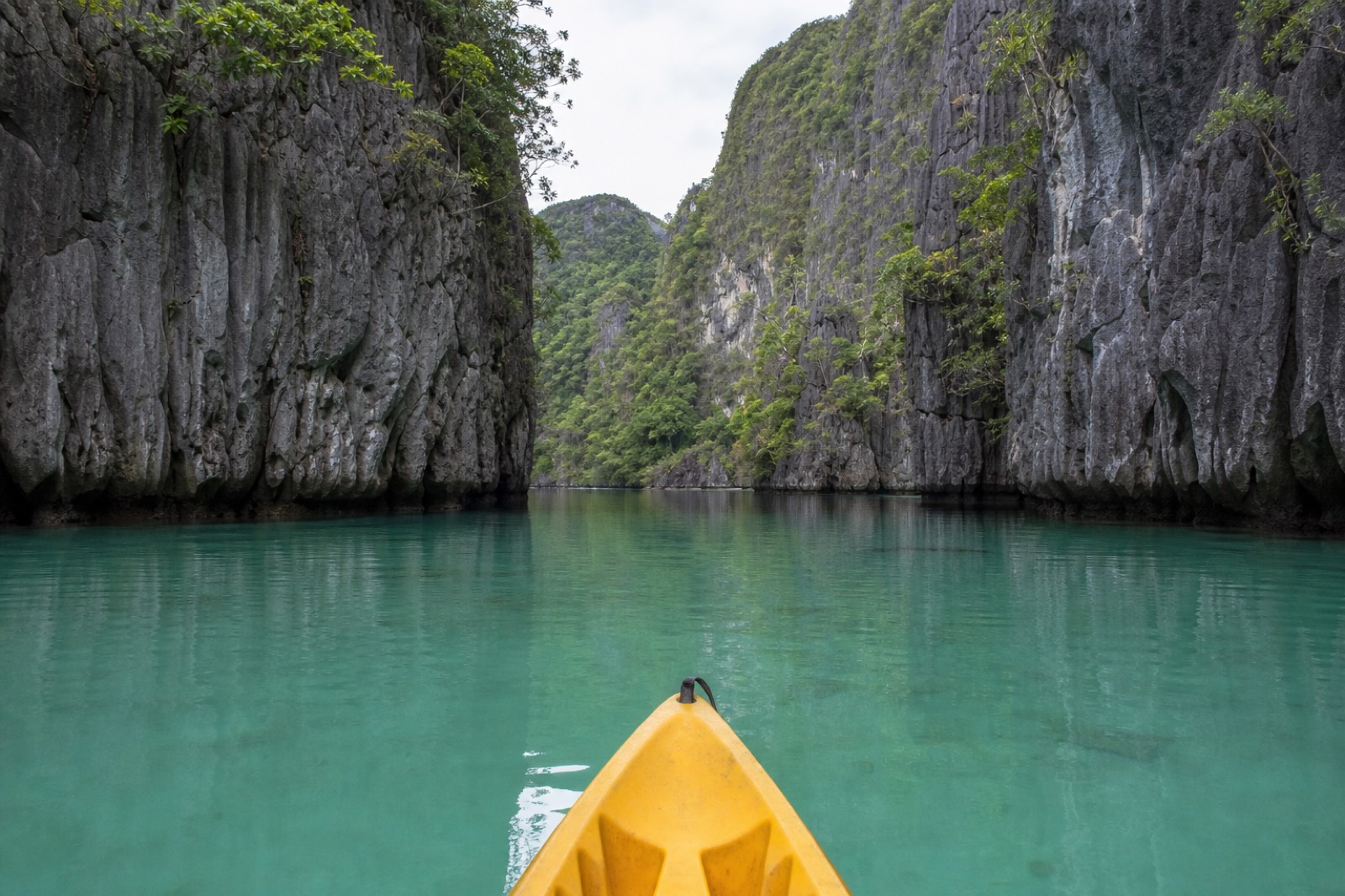
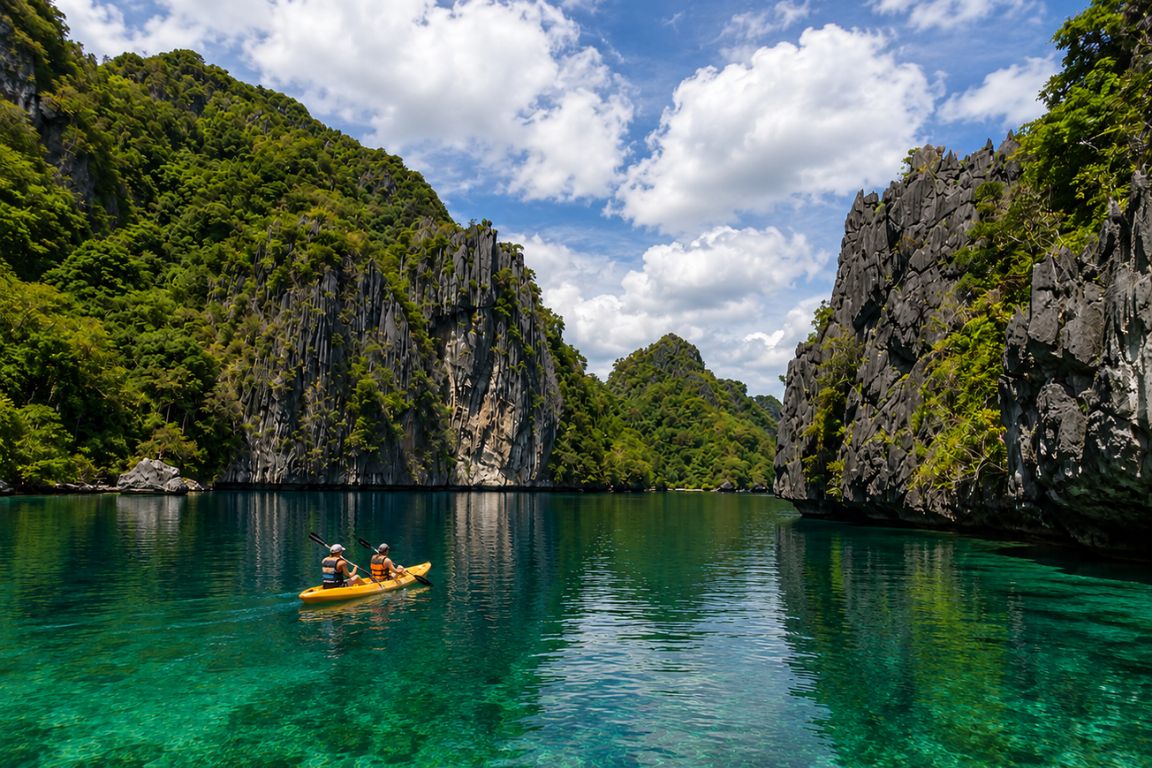
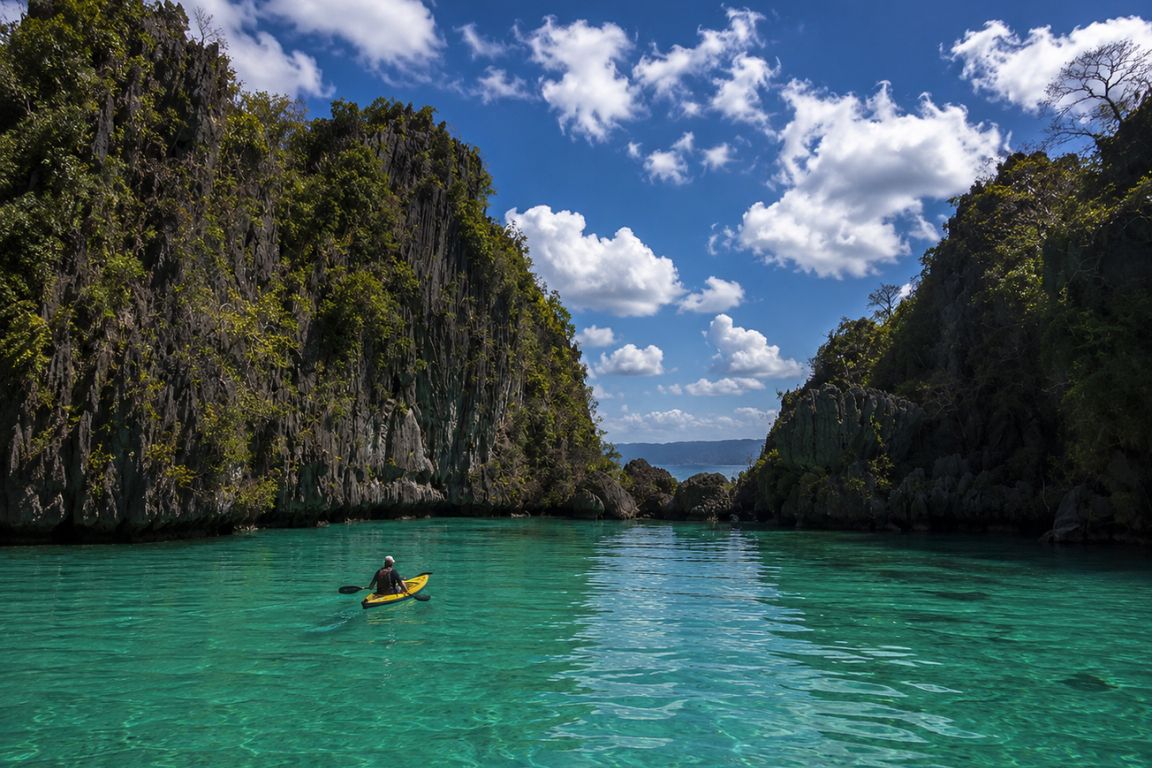
The Big Lagoon is the picture nearly everyone has seen before they book a flight to Palawan: a slit in a wall of limestone that opens into a flooded amphitheatre of jade water, so shallow and still in places that the karst reflects like glass. It sits inside Miniloc Island in Bacuit Bay, a short boat ride from El Nido town, and it is the reason Tour A stays the busiest route on the water.
- Big Lagoon is the Tour A focus; the verified Tour D listing includes Small Lagoon and Cadlao Lagoon.
- Budget for route-specific local fees and optional kayak rental.
What confuses most first-timers is the naming. There is a Big Lagoon, a Small Lagoon and a Secret Lagoon, all near each other on Miniloc, and then Cadlao Lagoon on Cadlao Island; the verified Tour D itinerary pairs Cadlao Lagoon with Small Lagoon on Miniloc. This guide sorts out which is which, how you actually get inside each one, what the on-the-day fees run to, and how to see them without floating in a traffic jam of kayaks.
What Are The Big Lagoon And Small Lagoon In El Nido?
The Big Lagoon and Small Lagoon are two flooded coves on Miniloc Island, walled by limestone cliffs and filled with shallow turquoise water. The Big Lagoon is wide and open with a low waterline you paddle across; the Small Lagoon is a tight pool reached through a gap in the rock. Both sit inside Bacuit Bay near El Nido town.
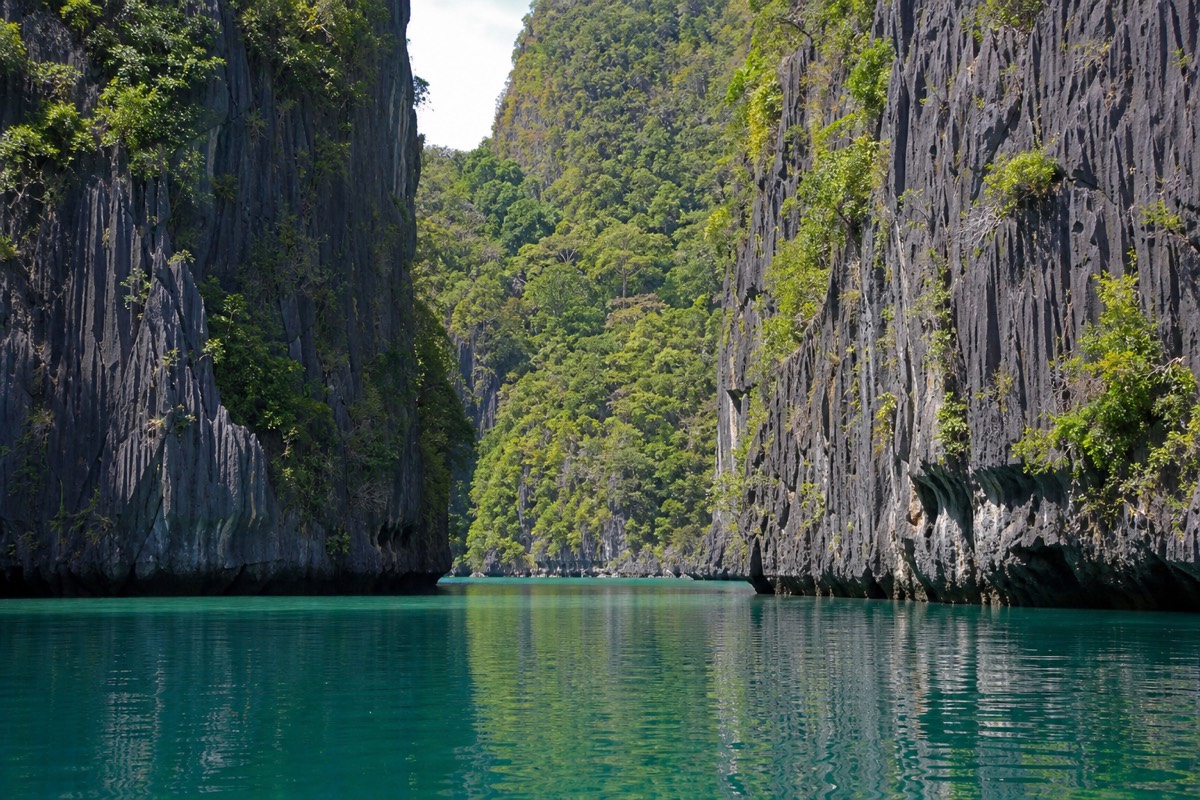
The Big Lagoon is the grand one. You enter through a narrow channel where the cliffs pinch together, then the walls swing back and the water spreads out flat and pale green. It is not deep, which is exactly why the colour is so intense: sunlight passes straight through the shallow water to the sandy floor and bounces back up, so the whole basin glows. That same shallowness is why paddling it stays calm even for people who have never held a kayak paddle.
The Small Lagoon is the opposite mood. It is a snug basin ringed by rock, and the way in is a low opening you either paddle through at the right tide or slip through while swimming. Once inside, the space feels sealed off from the sea, quiet apart from the echo off the walls and the drip of water down the rock. Nearby sits the Secret Lagoon, which is smaller again and entered through a hole in the cliff barely tall enough to duck through, opening onto a little pocket of beach.
All three belong to the sheltered water of the Bacuit Archipelago, where cliffs up to roughly 300 metres drop straight into the bay across more than 50 islands and islets. They are protected inside the eco-tourism zone, which is why there are fees and rules about how you go in. Here is how the three compare at a glance.
| Lagoon | Island | How you enter | Feel |
|---|---|---|---|
| Big Lagoon | Miniloc | Kayak or swim through a wide channel | Grand, open, the classic photo |
| Small Lagoon | Miniloc | Low rock gap, kayak or swim by tide | Snug, sealed off, echoey |
| Secret Lagoon | Miniloc | Duck through a hole in the cliff | Tiny hidden pocket with a beach |
Which Tour Takes You To The Big Lagoon And Small Lagoon?
Tour A is the route that visits the Big Lagoon and Secret Lagoon in one day, alongside Shimizu Island and Seven Commandos Beach. It is the most popular of the four classic island-hopping circuits, so it draws the biggest crowds. A dedicated kayaking trip or a private charter reaches the same lagoons with more time and fewer people.
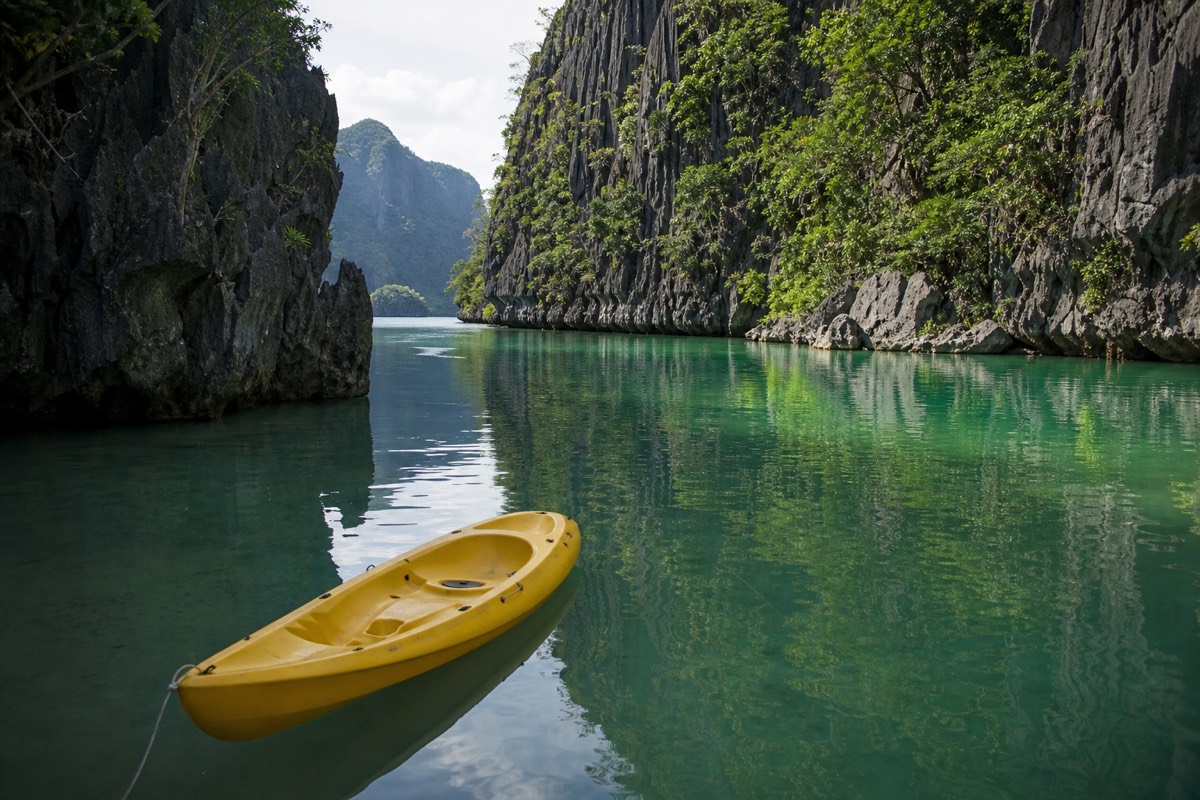
The lagoons live on the standard Tour A itinerary, which is why it is usually the first day people book. For the full stop-by-stop breakdown of that route, our detailed Tour A guide walks through each site and how long you get at it. If you want the classic shared experience, the standard shared Tour A day puts you on a bangka outrigger with up to around 25 other travellers, buffet lunch and snorkel gear included.
Two other options reach the same lagoons with a different rhythm. A dedicated Big Lagoon kayaking trip leans into paddling time inside the lagoon itself, and a private Tour A charter gives your group the same boat and route without sharing it, which matters more than people expect once the peak-season boats stack up at the entrance.
| How you reach the lagoons | Boat sharing | Best for | Trade-off |
|---|---|---|---|
| Shared Tour A | Up to ~25 people | First-timers, lowest price | Busiest at the lagoon entrances |
| Big Lagoon kayaking day | Small group | More paddling time inside the lagoon | Fewer beach stops than full Tour A |
| Private Tour A | Your group only | Control over timing and pace | Higher price per boat |
Prices move with the season and the operator, so treat any figure as a starting point and check the live listing before you book. Booking online in advance also lets you pay by card, which sidesteps the town ATM problem covered further down, and it lets you check your actual date before arranging other activities.
How Much Time Do You Get At The Big Lagoon On A Tour?
On a standard shared Tour A you typically get somewhere around 45 minutes to an hour at the Big Lagoon, enough to paddle in, take it in, and get photos, but not to linger for hours. The exact time depends on the operator, the group size, and how the day is sequenced. A private booking lets you discuss timing, but it does not guarantee a longer permitted lagoon visit.
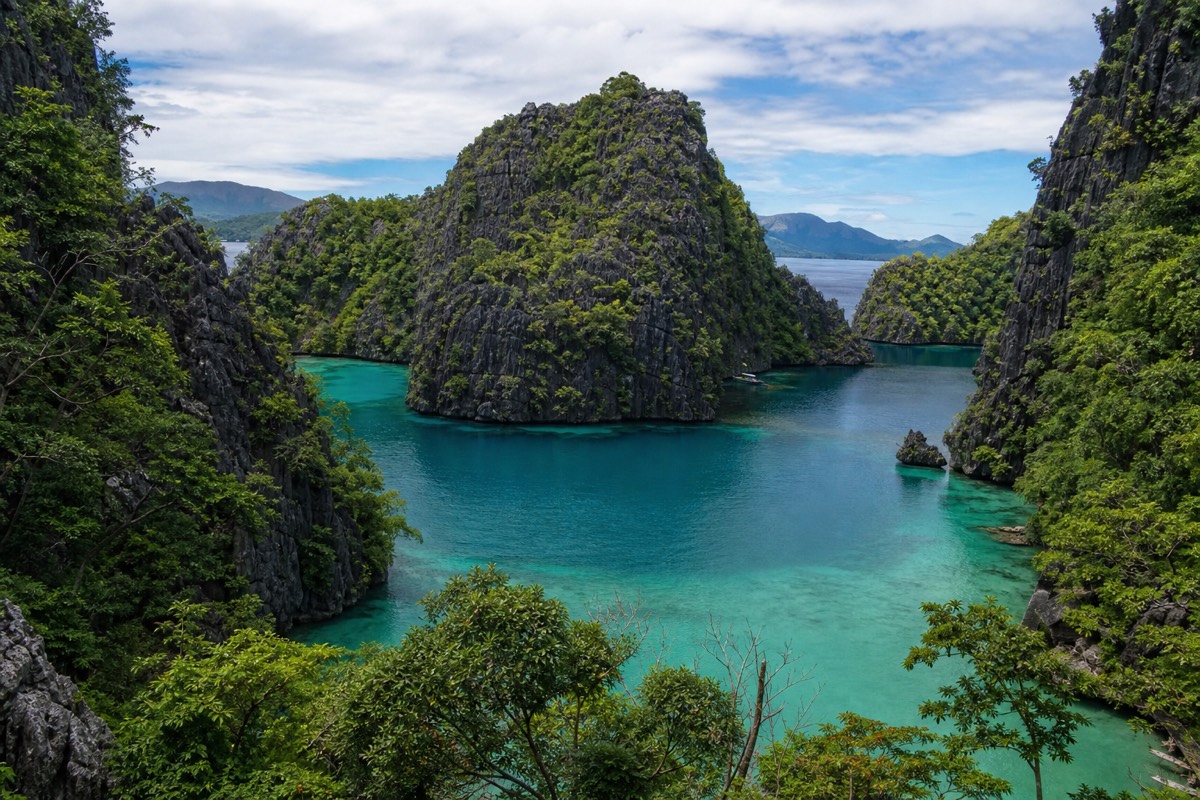
The shared boats run a full loop of stops in a single day, so no one site gets unlimited time. At the Big Lagoon the clock covers queuing for a kayak, paddling in through the channel, drifting around the basin, and paddling back, which passes faster than it sounds once you are inside. Groups that move quickly get more water time; a slow-loading boat of 25 eats into it. If a leisurely, unhurried lagoon is what you are after, that is the argument for a dedicated kayaking day or a private charter over the shared circuit.
Because the four routes divide their hours differently, it helps to know what each day actually prioritises before you book. Our side-by-side look at how Tours A, B, C and D compare breaks down what each route trades away, so you can pick the day that spends its time where you want it.
Do You Kayak Or Swim Into The Lagoons?
You can kayak or swim into the Big Lagoon, and most people paddle it because the water is wide and shallow. The Small Lagoon and Secret Lagoon are entered through low gaps in the rock, so at higher tide you paddle through and at lower tide you swim. Boats are not allowed inside the lagoons.
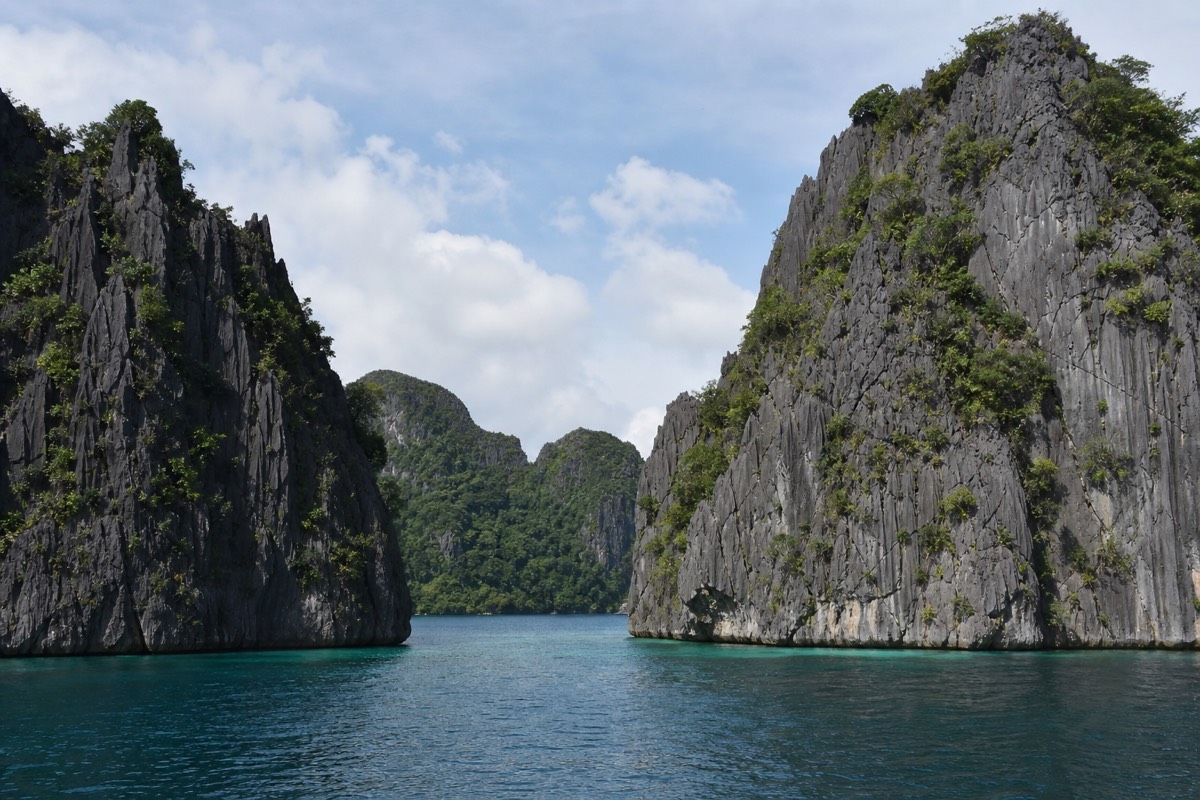
The reason for the rule is simple: outrigger boats would tear up the shallow water and the coral. So the bangka anchors outside, and you switch to a kayak or your own swimming to go the last stretch. Inside the Big Lagoon the paddling is gentle, and the shallow floor means you can stand in many spots if you tip. Rangers keep an eye on numbers, so at busy times there can be a short wait for a free kayak before you set off.
The Small Lagoon entrance is the part that catches people out. It is a low arch, and whether you can stay in the kayak depends on the tide. At high water the gap shrinks and you may have to duck or slide through on your belly across the boat; at low water there can be more headroom but less depth. Aqua shoes help here, because the floor near the entrances is sharp rock, not sand, and a slip barefoot is how most people leave with a cut.
- Confident in water: ask the guide which entries are permitted and suitable at the day’s tide; swimming is not an automatic alternative to every kayak entry.
- Nervous swimmer or with kids: a kayak gives you something to hold and keeps you above the water; life jackets are provided on the tours and you can wear one in the kayak.
- Want the classic Big Lagoon photo: a two-person kayak lets one person paddle while the other shoots, which beats trying to tread water and hold a phone.
Is The Big Lagoon Safe For Non-Swimmers And Children?
Yes, with sensible care. The Big Lagoon is wide, shallow, and calm, so a non-swimmer or a child in a life jacket and a kayak is well within their depth for the classic paddle. The Small and Secret Lagoons, entered through low rock gaps, are trickier and better suited to confident swimmers or a guided hand.
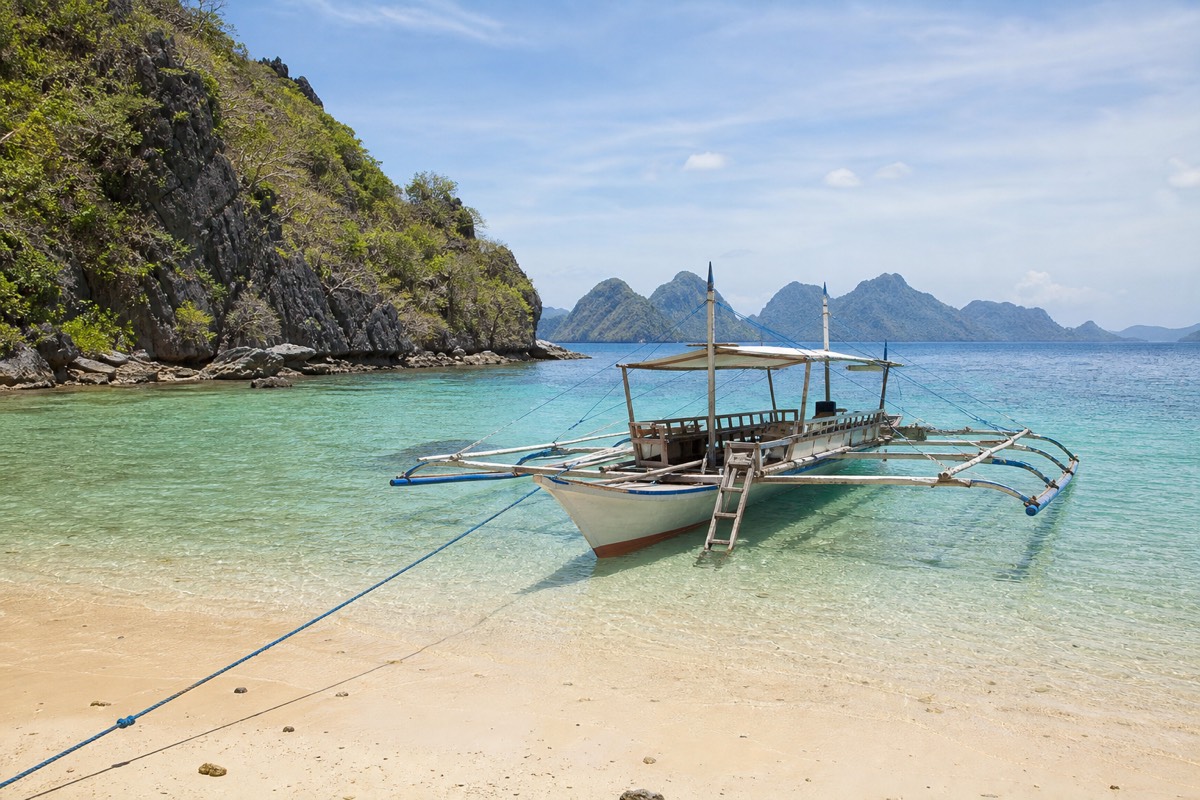
What makes the Big Lagoon forgiving is the shallow floor: in many spots you can stand, and the enclosed water stays flat with no surf. Life jackets come with the tour, and a two-person kayak lets a stronger paddler take a nervous passenger or a child. Keep an eye on little ones near the kayak-loading area, where boats, paddles, and other groups make for a busy few minutes.
The Small and Secret Lagoons ask a bit more. Their low entrances mean ducking through rock at the wrong tide, and the footing near the gaps is sharp, so families with young children sometimes skip the tightest squeeze and enjoy the Big Lagoon instead. If you are weighing the whole trip around children, our guide to visiting El Nido with kids covers which stops suit young travellers and which to sit out.
What Do The Lagoon Fees And Kayak Rental Cost?
Beyond the tour price you pay a national park eco-tourism fee of around PHP 400, valid roughly 5 to 10 days, plus a Big Lagoon users' fee of around PHP 200. Kayak rental runs roughly PHP 300 to 500 per lagoon and aqua shoes about PHP 100. All paid in cash, not in the tour ticket.
None of these are hidden charges; they are standard across every operator because they go to the eco-tourism zone and the local community, not the boat company. The catch is that they are cash only, and El Nido ATMs are unreliable, sometimes offline for days over long weekends and in peak season. Draw your pesos in Puerto Princesa or Manila before you arrive, and carry a little more than you think you need.
| On-the-day cost | Rough amount | Notes |
|---|---|---|
| Eco-tourism environmental fee | Around PHP 400 | Valid ~5 to 10 days, paid once, covers all tours |
| Big Lagoon users' fee | Around PHP 200 | Charged at the lagoon |
| Kayak rental | Roughly PHP 300 to 500 | Per lagoon, split between two if you share |
| Aqua shoes rental | Around PHP 100 | Worth it for the sharp rock at the entrances |
Add it up and a couple should carry a comfortable cash buffer in pesos for a single lagoon day, on top of the tour fare. The environmental fee is a one-off for your whole stay, so it stings less than it looks once you spread it across several days on the water. Booking through El Nido Tours in advance lets you settle the tour itself by card, so the only cash you have to manage on the day is these local fees.
How Do You Beat The Peak-Season Queue At The Big Lagoon?
To avoid the crush, aim to be among the first boats at the Big Lagoon, either by taking the earliest departure or by booking a private charter that can flip the itinerary and hit the lagoon before the fleet arrives. Going in the dry-season shoulder weeks rather than the Christmas and Easter peaks also thins the crowd sharply.
In high season, dozens of shared boats run the same Tour A loop, and they tend to reach the Big Lagoon in the same mid-morning window. That is when the entrance channel fills with kayaks and the photos start including strangers. The fix is timing, not luck, and it is the single biggest lever on how the day feels.
The most effective move is going private. A private boat can run the route in reverse or slide the lagoon to the front of the day, and it does not wait on 25 people to load kayaks. We lay out the full case in our rundown of the case for going private, but the short version is that you are buying the timing as much as the exclusivity, and on the Big Lagoon timing is everything.
Season matters too. The dry months from roughly December to May are calmest, with the glassiest water often falling in January to March. That is also the busiest stretch. If your dates are flexible, read up on the calmest months for glassy water and aim for the shoulder weeks on either side of the holidays, when the water is still good but the boat count drops.
| Tactic | How it helps | Trade-off |
|---|---|---|
| Earliest departure | Reach the lagoon before the fleet | Early start, less lie-in |
| Private charter | Discuss stop timing with the crew; entry rules still apply | Higher cost |
| Shoulder-season dates | Far fewer boats overall | Slightly higher chance of a weather day |
| Big Lagoon kayaking day | Confirm the planned lagoon stop and other stops | Fewer islands in the day |
What Else Does The Tour A Day Include Beyond The Lagoons?
Tour A pairs Big Lagoon with island and beach stops such as Secret Lagoon, Shimizu and Seven Commandos, subject to the operator’s current itinerary and conditions. Small Lagoon is part of the verified Tour D listing, so plan that separately rather than expecting all three lagoons on Tour A.
The usual shape of the day runs the lagoons first, then a snorkelling stop and the beach picnic lunch, then a beach finish before heading back, though the order flexes with the tide and the crowds. Shimizu is where the mask goes on over a reef, and Seven Commandos is the broad cove with a couple of drink stands and cliffs behind it, the kind of stop that ends a day well. That variety is why Tour A works so well as a first day on the water: it samples a bit of everything El Nido does.
| Tour A stop | What you do there |
|---|---|
| Big Lagoon | Kayak or swim into the open jade basin |
| Small Lagoon | Separate Tour D stop; not on this Tour A itinerary |
| Secret Lagoon | Duck through a cliff hole to a hidden beach |
| Shimizu Island | Snorkel over reef, buffet lunch stop |
| Seven Commandos | Sandy beach finish with drink stands |
If you want to see how those individual beaches stack up against the ones you can reach by land, and which routes hit which coves, our roundup of the best beaches in El Nido maps the boat stops against the drive-to beaches so you can plan a couple of days that do not repeat themselves.
How Do Tides And Timing Change The Lagoon Experience?
Tide decides how you get into the Small and Secret Lagoons. At high tide the Big Lagoon fills and you paddle deep inside, but the low Small Lagoon entrance can pinch shut; at low tide the entrances open up but the shallows expose rock. Mid-morning light and a rising tide is the sweet spot most days.
The Big Lagoon is forgiving across the tide because it is broad. What changes is how far back you can paddle and how the colour reads. A higher tide floods more of the inner basin and lets you reach the quiet far corners; a very low tide can leave parts too shallow to paddle without scraping the floor.
The Small and Secret Lagoons are the tide-sensitive ones. Their entrances are low arches, so a very high tide can close the gap enough that you swim through flat, and a very low tide can make the approach a scramble over rock. Your guide reads this on the day and sequences the stops around it, which is another reason a boat with flexibility beats a fixed queue: it can visit the Small Lagoon at the tide that actually lets you in.
Time of day stacks on top of tide. The first boats get calm water and softer light; by early afternoon the wind often picks up across Bacuit Bay and the surface loses its mirror. If you only get one shot at the Big Lagoon, you want it early, before both the fleet and the breeze arrive.
When Is The Light Best For Photos In The Lagoons?
The lagoons photograph best in the morning, when the sun is high enough to light the water to full turquoise but the wind has not yet ruffled the surface. Overcast days flatten the colour, and harsh midday sun blows out highlights on the pale shallows. A low-angle shot from water level exaggerates the cliffs.
The signature colour of the Big Lagoon comes from sunlight hitting the shallow floor, so you need the sun up but you also need calm water for the reflections. Those two conditions overlap in the morning far more reliably than the afternoon. This is the same reasoning behind getting to the lagoon early: the empty-lagoon shot and the best light are the same window.
A few practical notes. Keep the horizon out of the frame and shoot down the channel to stack the cliffs behind each other for depth. A floating waterproof case or a wrist strap is non-negotiable in a kayak, because the shallow rock will not be kind to a dropped phone, and the lagoon floor is not somewhere you want to be diving for it. If you want people-free frames, they only exist in the first window before the fleet arrives, so shoot the wide shots first and the casual ones later.
Is Cadlao'S Small Lagoon On Tour D The Same Thing?
Cadlao Lagoon and Small Lagoon are distinct stops on the verified Tour D itinerary. Small Lagoon is on Miniloc; it is not another lagoon of that name on Cadlao. Choose Tour D for that specific lagoon pairing, while Tour A is the Big Lagoon option.
This is the naming trap that trips people up. Big Lagoon and Small Lagoon are both on Miniloc Island, but the verified listings put Big Lagoon on Tour A and Small Lagoon on Tour D. Cadlao Island, which is the big peak you see right across the water from El Nido town, has a completely different Cadlao Lagoon while Miniloc has Small Lagoon, and you reach those on the quieter Tour D circuit .
Because Tour D is the least trafficked route and Cadlao is the nearest island to town, it is a genuinely different feel: fewer boats, more space, and a shorter run out and back. It will not give you the exact Big Lagoon postcard, but for travellers who prioritise calm over the single most-photographed spot, it is the smarter pick. Plenty of visitors do Tour A for the icon and slot Tour D in later for the quiet, so the two are not an either-or so much as a pair.
What Should You Bring For A Day At The Lagoons?
Pack pesos in cash for the fees and kayak rental, aqua shoes for the sharp entrances, a dry bag or waterproof phone case, reef-safe sunscreen or a rash guard, and a quick-dry towel. Snorkel gear and life jackets come with the tour, but your own mask often fits better. Leave anything you would hate to lose at the hotel.
| Item | Why it matters at the lagoons |
|---|---|
| PHP cash | All fees and kayak rental are cash only |
| Aqua shoes | Rock entrances are sharp underfoot |
| Dry bag / phone case | Everything gets wet transferring to the kayak |
| Rash guard + reef-safe sunscreen | Little shade on the open boat and water |
| Quick-dry towel | Between swims and the buffet lunch |
You do not need to overpack. The boats provide snorkel gear, life jackets and lunch, so the extras above are the difference between a smooth day and an annoying one. Reef-safe sunscreen is the responsible choice inside a protected marine zone, and a rash guard often does the job better anyway because it does not wash off in the water. A well-planned lagoon day slots neatly into a wider trip, and if you are mapping the whole visit, our day-by-day El Nido itinerary shows where Tour A and the lagoons fit best.
The Big Lagoon earns its reputation, and the trick is simply seeing it on your terms: early light, calm water, the right footwear and enough cash for the fees. Whether that means the first shared boat out or a private charter that beats the queue, the day is worth building the trip around. When your dates firm up, it pays to lock the lagoon day in before the peak-season boats fill.