Nacpan Beach El Nido: How To Get There And What To Expect
The long golden beach El Nido locals escape to. How to reach Nacpan by road, what the twin beach and sandbar are really like, and how it compares to the boat-tour coves.
The DIY Nacpan day remains easy to plan by road; the paid land option adds a social circuit and lunch, while boat days belong on a separate date. Compare Your El Nido Options Below.
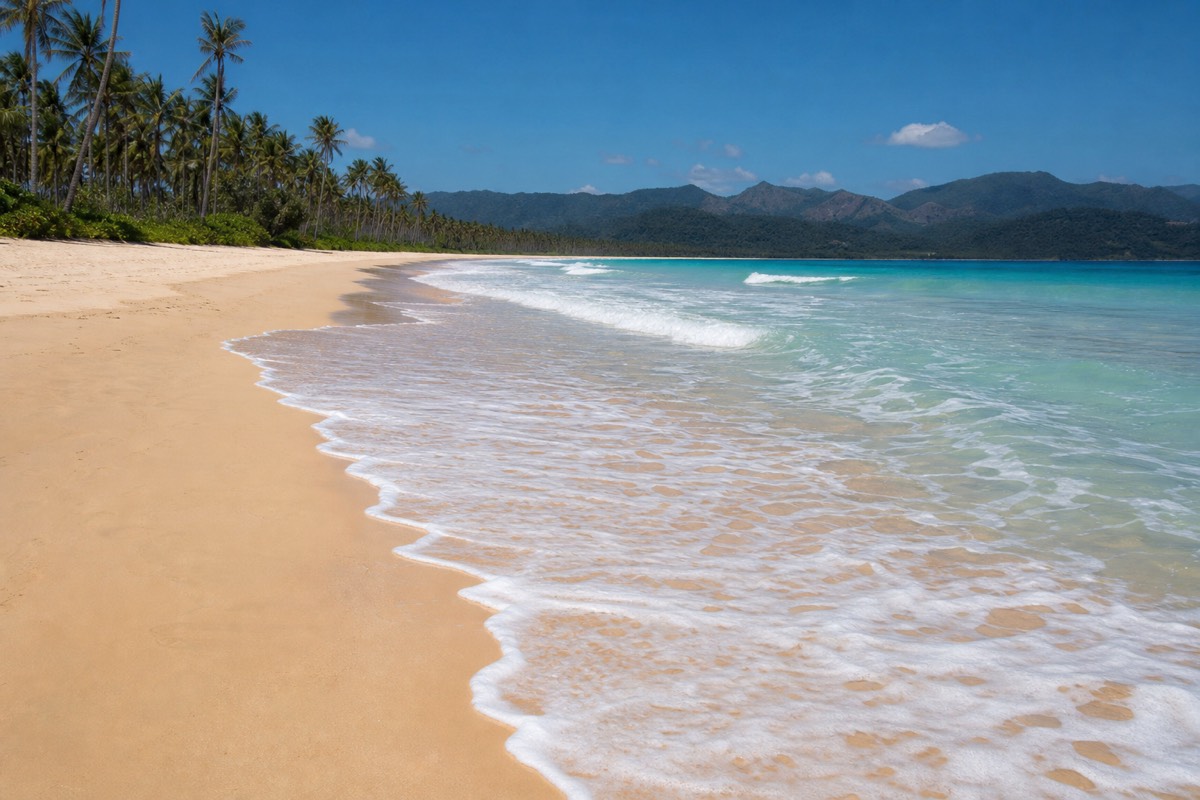
Most of what pulls people to El Nido happens on the water. Nacpan is the exception, and that is exactly why it keeps its own following. This long ribbon of gold runs about 20 km north of town, reached entirely by road, and it hands over the kind of open, uncrowded sand that the busy island-hopping stops almost never do. No boat ticket, no group of twenty five strangers, just a wide beach, a line of palms, and the steady sound of surf.
- The jeepney itinerary is adults only, not a family transfer.
- Nacpan and Duli are not stops on Tour A.
Our team points travellers up here on the days between boat runs, and the questions barely change: how do you actually get there, is the water any good, and is a whole day worth it. What follows is the honest version, built from how the road, the tides, and the little food huts really behave rather than from a drone shot.
How Do You Get To Nacpan Beach From El Nido Town?
Nacpan Beach sits roughly 20 km north of El Nido town and takes around 45 minutes to reach by road. There is no boat route to it. You travel by tricycle, van, or rented motorbike along the coastal road toward Duli, then turn down a rougher dirt track for the final stretch to the sand.
The first two thirds of the trip run on sealed road that climbs and dips through inland villages and stretches of forest, with the odd view back toward Bacuit Bay. It is a pretty ride in its own right. The last few kilometres are where things slow down: the track turns to compacted dirt and gravel, and after heavy rain it can hold puddles and soft patches that a loaded tricycle takes carefully.
Tricycles are the default for most first-timers. You will find them idling all over town, and no booking is needed. Agree the fare before you climb in, and be clear that you want a round trip with the driver waiting at the beach, otherwise you can find yourself stranded with no easy ride back. A waiting driver is normal here and the fare reflects it. Give a rough return time so the driver knows how long to stay, and take a photo of the tricycle number in case you get separated on a busy day.
After rain the last stretch of dirt is the deciding factor. In the dry months it is dusty but firm, and any vehicle handles it. During the monsoon it holds puddles and soft ruts, and a fully loaded tricycle sometimes crawls or asks passengers to walk the worst patch. Motorbike riders should treat that same section with respect, since wet clay over gravel is exactly where inexperienced riders come off.
Because Nacpan is a land trip and not a stop on the water, it lives outside the standard island-hopping day. If you are still working out how to reach El Nido itself, whether by the small airport at Lio served by AirSwift or the longer road transfer from Puerto Princesa, our guide on how to reach El Nido from the airports covers those arrival routes in full so this piece can stay focused on the beach.
What Is The Twin Beach At Nacpan?
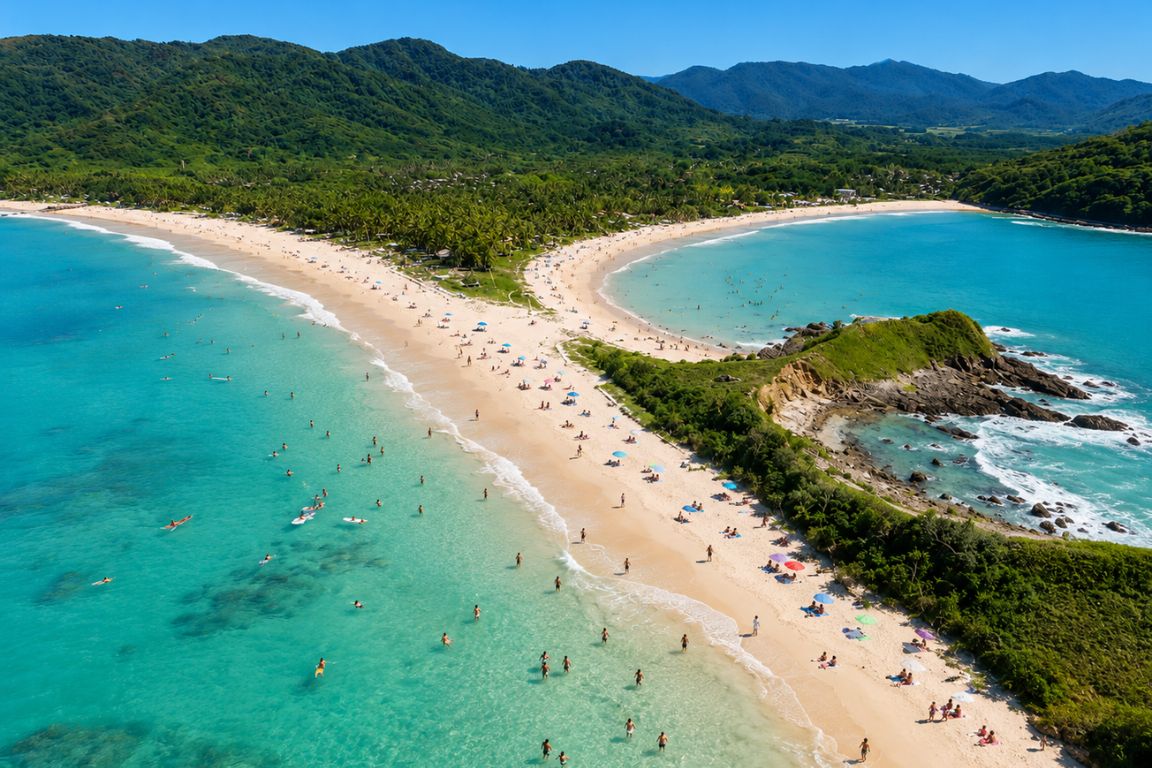
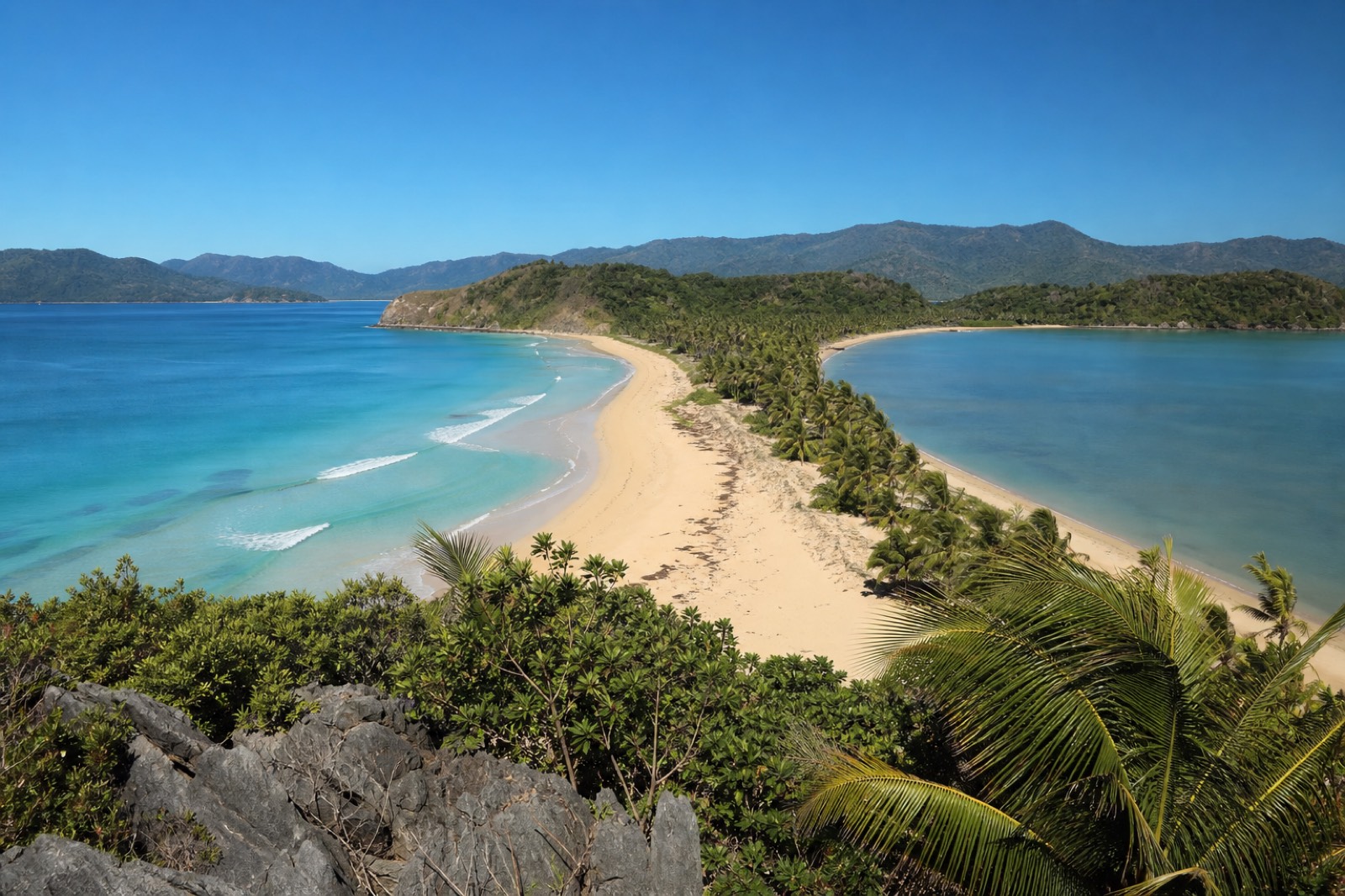
Nacpan is the northern half of a pair. A short rocky headland separates it from neighbouring Calitang Beach, and at low tide a sandbar links the two into a single sweep. Climb the small hill on the headland and you look straight down on both beaches meeting, which is the photo most people come for.
Calitang is the smaller, quieter cove on the far side. It rarely draws the same numbers as Nacpan, so if the main beach feels busy near the entrance, the walk over the headland usually thins the crowd fast. The viewpoint climb is short but steep in places and gets slippery when wet, so proper footwear beats flip-flops on that stretch. Go early if the photo is the goal, because the small hill gets a queue of its own by late morning in peak season.
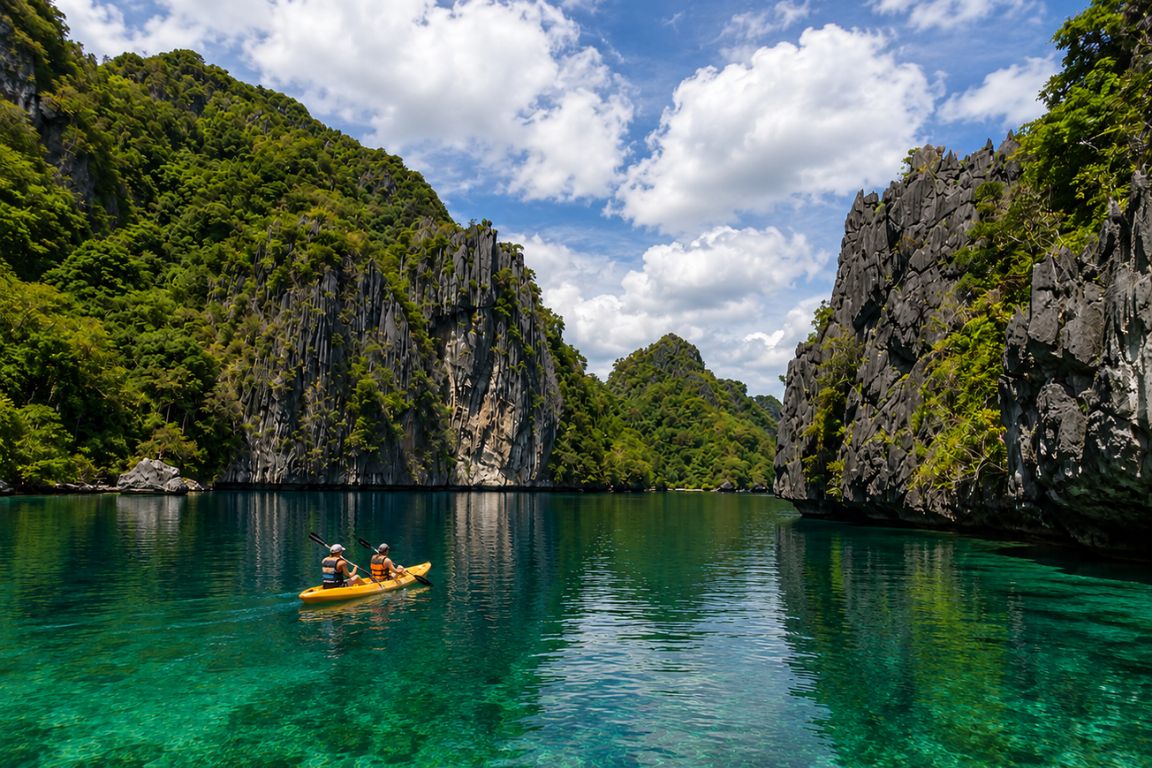
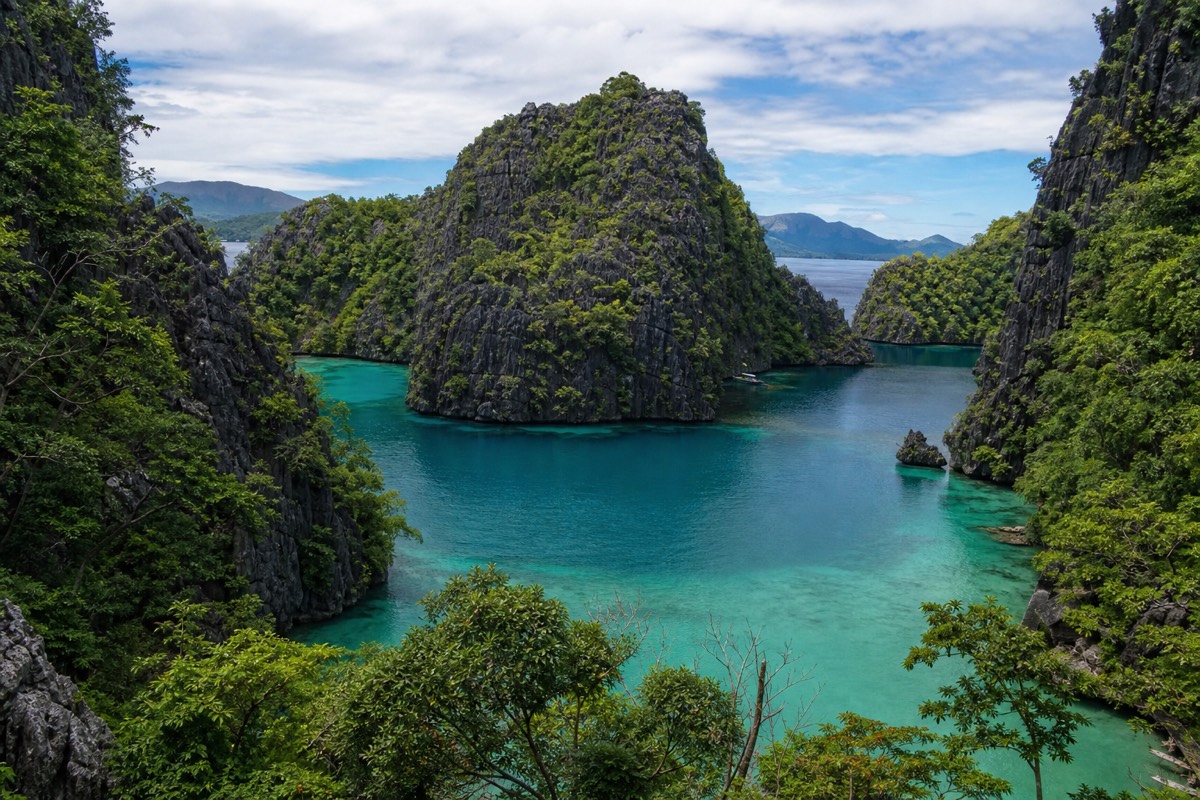
People sometimes expect a lagoon or a cave here because that is the El Nido they saw online. Nacpan is not that. It is a straightforward stretch of open coast, and the twin-beach view is its single dramatic feature rather than a landscape of hidden coves. Setting that expectation before you go is the difference between arriving delighted by all the space and arriving underwhelmed because you were picturing Big Lagoon.
The twin-beach view is at its most dramatic when the tide is low enough to expose the connecting bar of sand. Tides shift through the month, so there is no fixed hour that always works. If the classic shot matters to you, ask your driver or your accommodation what the tide is doing before you commit to a departure time.
Is Nacpan Beach Good For Swimming And Surfing?
Nacpan is a genuine swimming beach, unlike some of the lagoon stops where you mostly float. In the calm dry-season months the water is gentle and clear close to shore. When swell builds, usually in the monsoon season, it develops a shore break and occasional rip currents, so it swings from mellow to lively depending on the day.
The bottom shelves gradually, which makes the shallows friendly for a relaxed swim and for families paddling near the sand. On flat days you can wade out a long way. On days with a west swell running, the same beach picks up rolling sets that are fun to jump in but strong enough that weaker swimmers should stay out when conditions are unsuitable and seek local advice. There are no lifeguards, so read the water yourself and keep an eye on children.
One thing Nacpan does better than almost any beach reachable from town is sunset. The beach faces roughly west, the horizon is open, and the long sand means you can walk well away from the huts to watch the light go down over the water. That west-facing angle is also why swell reaches it: the same open exposure that gives you the sunset gives the sea room to build. Plan for it, and either arrange a later return with your driver or ride your own transport so you are not rushing off before the best hour.
As a surf spot Nacpan is a soft, forgiving beach break, fine for a longboard cruise on the right day but not the reason surfers come north. For a more dedicated wave you carry on to Duli, covered further down. If you would rather chase clear, sheltered snorkelling water instead of open surf, that belongs to the boat tours, and our full roundup of El Nido's beaches lays out which beaches need a boat and which you can simply drive to.
Motorbike, Van, Or Tricycle: Which Way To Nacpan Is Best?
A rented motorbike is the cheapest and most flexible way to Nacpan if you ride confidently. A tricycle is the classic no-hassle choice for one or two people. A van or private car makes most sense for groups, families, or anyone who wants air-conditioning and a driver who waits. Each suits a different traveller.
Motorbikes give you full control of your day and cost the least, but the dirt final stretch and mixed traffic on the main road make them a poor idea for nervous or inexperienced riders. Tricycles are everywhere in town, need no booking, and the driver will usually wait at the beach for the return, though the open sides mean dust and sun on the way. Vans and private cars cost more and are the comfortable pick for a group splitting the fare, especially with young kids or a lot of gear.
| Way to Nacpan | Rough travel time | Best for | Trade-off |
|---|---|---|---|
| Rented motorbike | About 45 min | Confident riders, solo or couples on a budget | Dirt final stretch, no shade, you handle the road yourself |
| Tricycle (round trip, driver waits) | About 45-55 min | One or two people wanting zero planning | Slower, dusty, open to sun and rain |
| Shared van or day-tour seat | About 45 min | Solo travellers wanting a fixed price | Set pickup and departure times |
| Private van or car with driver | About 45 min | Families and groups, comfort seekers | Highest cost, worth it split between people |
If you would rather not organise transport at all and would like the northern beaches folded into a guided land day with lunch sorted, the jeepney off-road land tour runs the inland and coastal route in one of the open 4x4-style vehicles, which turns the drive itself into part of the outing.
How Much Does It Cost To Get To Nacpan Beach?
Getting to Nacpan is inexpensive by any standard. A round-trip tricycle for one or two people, with the driver waiting, is the usual middle-ground cost. A rented motorbike for the day is cheaper still. Vans and private cars cost more but split well across a group. On top of transport, budget only for food, drinks, and a few small local charges.
Prices at the beach itself are modest. There is no formal ticketed gate, but expect the occasional small local charge for parking, a rented beach chair, or a table at one of the huts, so carry loose peso cash for those. Meals at the food huts are simple and cheap, and a cold drink or a fruit shake costs about what it does in town.
| What you pay for | Rough cost | Notes |
|---|---|---|
| Round-trip tricycle (waits for you) | Low, negotiate first | Agree the return in advance so the driver stays |
| Motorbike rental (full day) | Lowest transport option | Add fuel; check brakes and tyres before you leave town |
| Private van or car | Higher, splits per head | Best value with four or more people |
| Food, drinks, chair, parking | A little cash on the day | Bring small peso notes; card is not taken at the huts |
One money note that catches people out across the whole town: cash machines in El Nido are unreliable and sometimes offline for days, especially over long weekends. Draw pesos in Puerto Princesa or Manila before you arrive, and keep small notes for beach days like this one. If you want the wider picture of what a trip here runs to, a full El Nido travel-cost breakdown sets out fees, transport, and daily spending.
When Is The Best Time To Visit Nacpan?
The dry season, roughly December through May, is the sweet spot for Nacpan, with the calmest water and firmest road usually falling between January and March. The monsoon months from June to October bring more rain, bigger surf, and a muddier final track, though a bright monsoon morning can still be beautiful and far emptier.
Because Nacpan is reached by land, its season behaves a little differently from the boat tours. Rough seas that cancel island-hopping days do not stop you driving to Nacpan, so on a blown-out water day the northern beaches become the natural plan B. The flip side is that heavy rain turns the dirt final stretch soft and slow, and a strong west swell can make the shore break too punchy for easy swimming.
Time of day matters as much as the season. Early to mid-morning is calmest and least crowded, midday brings the day-trippers and the strongest sun, and late afternoon empties out again as the tour vans head back. For live conditions before you set out, the national weather service, PAGASA, publishes forecasts and storm warnings for Palawan.
| Period | Water and surf | Road and crowds | Verdict |
|---|---|---|---|
| January to March | Calmest, clearest, easy swimming | Firm track, busiest overall | Best all-round window |
| April to May | Warm, mostly calm, hot sun | Dry track, still busy | Very good, hotter |
| June to October | Bigger surf, occasional rip | Muddy stretches, far quieter | Emptiest, weather-dependent |
| November | Settling down, mixed | Drying out, low crowds | Good shoulder gamble |
Where Do You Eat At Nacpan Beach?
A handful of simple food huts and a couple of low-key beach clubs sit behind the sand, mostly toward the southern entrance end of Nacpan. They serve grilled fish and chicken, rice plates, fresh fruit shakes, and cold drinks. Prices are a touch above town for the convenience but stay reasonable, and cash is the only option.
Do not expect a strip of restaurants. This is beach food done well and kept basic: whatever came in that morning cooked over coals, served under a thatched roof or at a plastic table on the sand. The mango and calamansi shakes are the standout on a hot day. A few spots rent chairs and umbrellas, and one or two run to a proper bar setup with music near the entrance, while the far northern end stays almost entirely undeveloped.
Service runs on beach time. Order well before you are starving, because grilling a whole fish over coals is not fast, and a busy Saturday can back the kitchen up. That slower rhythm is part of the appeal once you settle into it, but it catches out day-trippers on a tight tricycle clock. If you have a fixed return time, tell the hut when you order so they can pace your food to it.
If you are picky about food or travelling with children who need a reliable meal, it is smart to bring a few snacks and plenty of water as backup, since huts can sell out of the popular dishes by mid-afternoon. For a broader sense of El Nido's dining, from beachfront grills to the town's dinner strip, our guide to where to eat in El Nido covers the town scene in detail.
What Should You Pack For A Day At Nacpan Beach?
Pack for a self-sufficient beach day: plenty of drinking water, reef-safe sunscreen, a hat and a rash guard for the strong open-coast sun, small peso notes for food and chairs, and a dry bag for the dusty road in. There is no shop selling forgotten items once you leave town, so what you bring is what you have.
Nacpan has none of the built-up infrastructure of the town beaches. Shade is limited to the palm line and whatever umbrella you rent, the sun bounces hard off the pale sand, and the nearest pharmacy or convenience store is back in El Nido. A wide-brimmed hat and a long-sleeve rash guard save more skin than sunscreen alone, especially if you plan to swim for hours in water that throws the light straight back up.
The road is the other thing to pack for. The final dirt stretch throws up dust in the dry season and mud in the wet, so a dry bag or a sealed pouch keeps your phone and cash clean on the tricycle. Bring more water than feels necessary, because the huts can run low on cold drinks on a busy afternoon, and the heat here is deceptive when a sea breeze masks it. For the full kit that covers boat days as well as beach days, our El Nido packing list lays out what earns its place in the bag.
| Item | Why it matters at Nacpan |
|---|---|
| Extra drinking water | Huts can sell out of cold drinks midday |
| Rash guard and hat | Little natural shade, strong reflected sun |
| Small peso notes | Food, chairs and parking are cash only |
| Dry bag or sealed pouch | Dust and mud on the final dirt track |
| Reef-safe sunscreen | Long hours in open water |
Is Nacpan Beach Good For Families With Kids?
Nacpan is one of the easiest El Nido outings for families. The gently shelving sand gives young children space for supervised paddling when conditions permit on calm days, there is room to run without dodging boats, and the food huts mean you are not carrying every meal. The main watch-points are the drive, the midday sun, and the shore break when swell is up.
Compared with a full island-hopping day, which asks small children to sit still on a boat for hours between stops, Nacpan lets them roam. The shallows stay waist-deep a long way out on flat days, and the wide sand absorbs a lot of energy. Parents who want a low-stress beach day without the logistics of a boat tend to rate it the most child-friendly option reachable from town.
The caveats are practical. The 45-minute road each way is a stretch for restless toddlers, so a private van beats an open tricycle for the very young. There are no lifeguards, and on a day with swell the same shore break that adults enjoy can knock a small child off their feet, so pick a calm morning and keep them in the shallows. For a wider look at travelling here with children, from boat days to town logistics, our notes on visiting El Nido with kids go further.
Can You Combine Nacpan With Duli Beach In One Day?
Yes. Duli Beach lies further north along the same coastal road, so pairing it with Nacpan is a natural full-day loop, especially by motorbike or private van. Duli is quieter, wilder, and the better surf beach of the two, while Nacpan is longer, livelier, and easier for swimming and food. Doing both gives you the contrast in a single trip.
The practical approach is to hit Nacpan first while the morning water is calm, then push on to Duli for the afternoon, when any surf has usually filled in. Duli has far fewer facilities, so eat at Nacpan or carry food. The road out to Duli is rougher again than the Nacpan track, which is another reason a confident motorbike rider or a driver who knows the route makes the day easier.
| Feature | Nacpan Beach | Duli Beach |
|---|---|---|
| Distance from town | About 20 km, roughly 45 min | Further north, longer and rougher |
| Best for | Swimming, long walks, beach food | Surfing, solitude, raw scenery |
| Crowds | Moderate, busiest midday | Very quiet |
| Facilities | Food huts, chairs, a beach bar or two | Minimal, bring supplies |
| Water character | Gentle to lively shore break | More consistent surf |
How Does Nacpan Compare To The Island-Hopping Beaches?
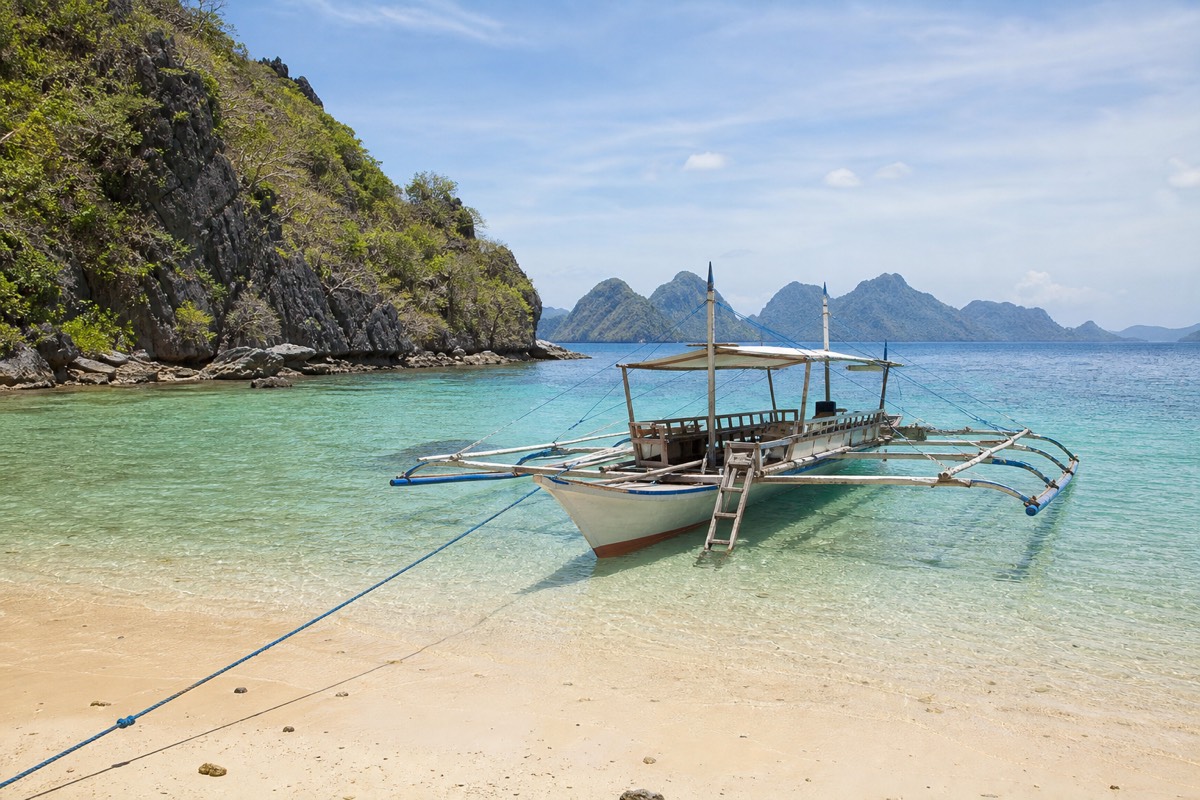
Nacpan and the island-hopping beaches solve different cravings. Nacpan is a long, walkable, land-reached beach for swimming, lazing, and sunset. The boat-tour beaches such as Seven Commandos, Shimizu, and the lagoon stops are smaller, dramatic, karst-framed coves you can only get to by bangka, threaded together across a day on the water.
If your idea of a beach day is space, a towel, a book, and a swim you can walk into, Nacpan wins. If it is a moving showcase of hidden lagoons, snorkelling reefs, and postcard sandbars reached one after another, that is the island-hopping experience, and no amount of road trips replaces it. Most travellers who spend three or more days here do both: a boat day or two for the archipelago, and a Nacpan day to slow down.
The classic first day on the water is Tour A, which combines Big Lagoon, Secret Lagoon, Shimizu Island and Seven Commandos Beach, subject to the operator’s route and conditions. Keep it on a separate date from your Nacpan road trip. For a gentler Nacpan day, arrange suitable independent transport and stay as long as you want.
| Aspect | Nacpan (land) | Island-hopping beaches (boat) |
|---|---|---|
| How you reach it | Road, about 45 min by tricycle or van | Wooden bangka on a guided day tour |
| Beach size | Long, wide, room to spread out | Small karst-framed coves |
| Best for | Swimming, walking, sunset, food | Lagoons, snorkelling, scenery |
| Crowd feel | Open, disperses along the sand | Several boats per stop at peak |
| Cost shape | Cheap transport plus a little cash | Fixed tour price, check the live listing |
Where you sleep changes how easy this all is. Staying in town keeps you close to the tricycle stands and the boat piers, while a stay on the Corong Corong side leans toward sunsets and quiet. Our notes on where to base yourself in El Nido weigh those trade-offs for a Nacpan-and-boat kind of trip.
How Does A Nacpan Day Fit Into Your El Nido Trip?
Slot Nacpan in as a rest day between boat tours rather than as your only beach outing. Most visitors give the archipelago one or two days on the water, then use a Nacpan morning or full day to slow the pace, recover from early boat starts, and see a different side of the coast. It also works as the natural plan B when rough seas cancel a tour.
The rhythm that works best is not stacking beach experiences of the same type. A boat day and a Nacpan day feel completely different, so alternating them keeps the trip fresh and gives sunburnt shoulders a break from the water. Because the drive to Nacpan holds up in weather that grounds the boats, keeping it flexible in your plan means a cancelled tour costs you nothing: you simply swap the days. Our take on how many days you need in El Nido helps you balance boat days against land days like this one, and a full day-by-day El Nido itinerary shows where a Nacpan day sits most naturally in a three or four day trip.
Plan Nacpan as your slow day and let the water carry the rest. Give the archipelago a full day or two by boat, keep a Nacpan morning for the swim and the twin-beach climb, and you leave El Nido having seen both sides of it: the dramatic, lagoon-riddled version everyone photographs, and the wide, quiet beach the locals disappear to when they want the sea to themselves.