Is El Nido Safe For Tourists?
El Nido is a safe, easygoing place to visit. The risks that actually catch travelers out are the sea, the sun, and the cash machines, not crime.
Keep the practical advice below as your starting point. For an arranged day on the water, Tour A brings the boat, guide and lunch together. Compare Your El Nido Options Below.
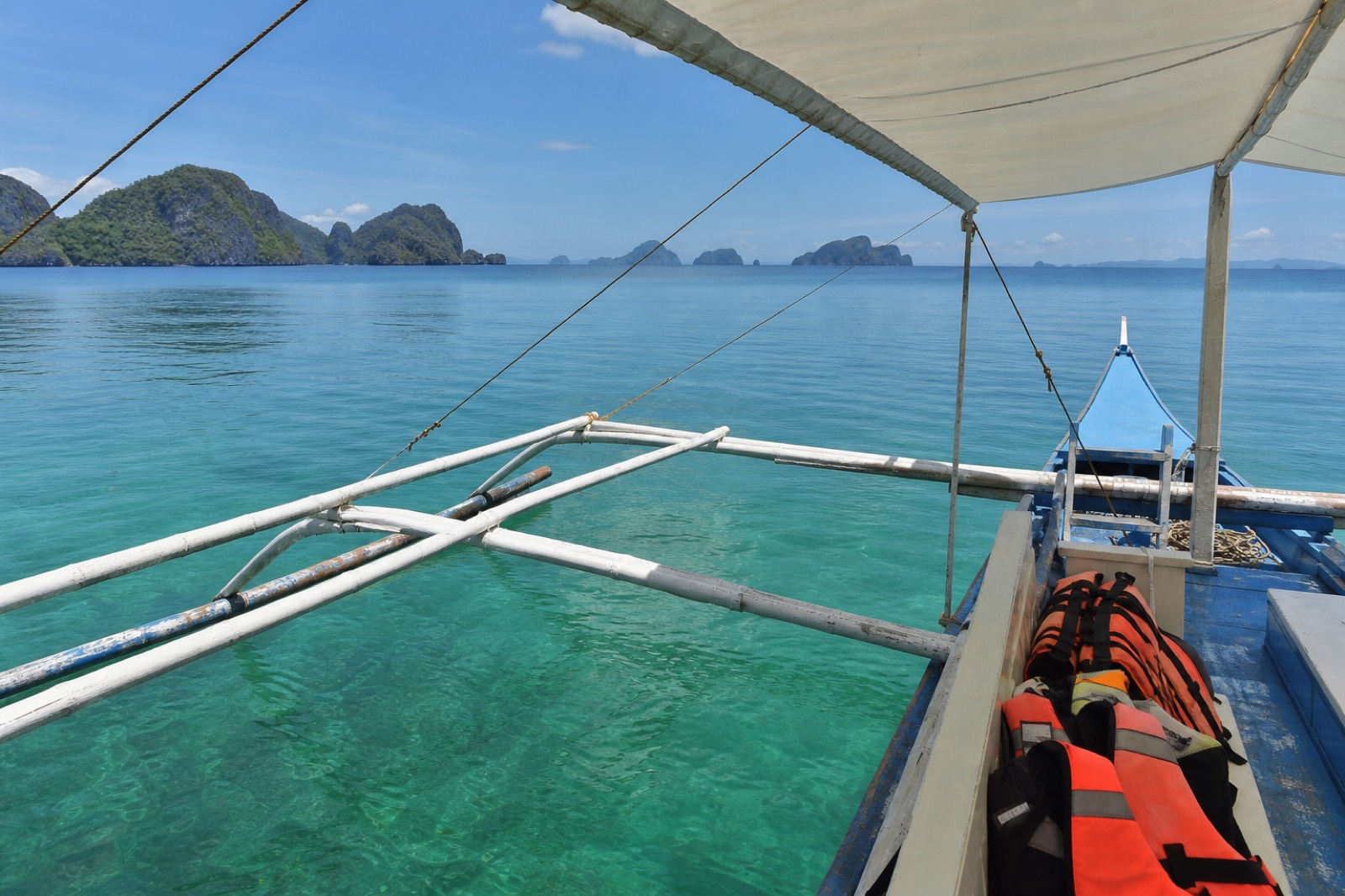
People arrive in El Nido expecting to worry about the wrong things. Petty theft and hassle are rare in a small town that lives on tourism, and the crews on the water take safety seriously because their livelihood depends on it. The things that genuinely go wrong here are natural and logistical: a cancelled boat day in bad weather, sunburn, a slip on wet limestone, or an empty ATM the day you need cash. Plan around those and you have very little to fear.
- Follow current forecasts, local notices and operator decisions.
- Discuss swimming and boarding needs; a private boat does not remove them.
- Keep a land-day alternative and budget cash for local expenses.
Is El Nido Safe For Tourists?
Yes, El Nido is generally safe for tourists, including solo and first-time travelers. Serious crime against visitors is uncommon, and the town is small and walkable. The real risks are environmental and logistical: rough seas and weather cancellations, strong sun, sharp rocks, unreliable ATMs, and long road transfers rather than personal safety.

Treat El Nido the way you would any busy beach destination. Keep an eye on valuables in crowded spots, do not leave a phone unattended on a boat bench, and use common sense after dark on the bar strip. Beyond that, the day-to-day feel is relaxed. The bigger variables are the ones the sea and the sky control, so the rest of this comes down to reading conditions and preparing for them.
What Are The Real Safety Risks In El Nido?
The sea sets the biggest risk. From June to October the southwest monsoon brings rougher water and typhoons, and the Coast Guard can suspend all boat tours at short notice. Sun and dehydration, sharp limestone rocks, and long van transfers on winding roads round out the list far ahead of any crime concern.

Weather is the honest headline. If a storm is moving through, tours are grounded, and that is the system working as it should rather than an operator being difficult. Picking the right window helps, so our notes on the best time to visit El Nido lay out which months bring the calmest water. You can check the official forecast and any storm warnings through PAGASA, the Philippine weather service, before you commit to a boat day. The calmest, driest water tends to fall between January and March, so if boats make you nervous, that window gives you the smoothest crossings.
Is It Safe To Swim And Snorkel On The Tours?
Yes, when you go with a licensed operator. Life jackets, snorkel gear and a safety briefing are included on the group and private island-hopping tours, and crews watch the water. The main hazards are sharp rocks and coral, sun exposure over a long day, and current on open crossings, all of which you can manage.

Keep your life jacket on in the lagoons even if you are a strong swimmer, since the rock gaps and boat traffic are the tricky part, not the swim itself. The operators we work with through El Nido Tours run licensed boats with life jackets sized for every passenger and brief the group before the first stop. Aqua shoes (rental around PHP 100) save your feet on limestone, and reapplying reef-safe sunscreen through the day matters more than most first-timers expect. On the open crossings between islands the water is livelier than inside the sheltered lagoons, so keep children and weaker swimmers in their jackets even during the short hops from stop to stop. If you would rather have full control of the pace and group size, our overview of private El Nido boat tours explains the trade-off.
How Do You Stay Safe With Money And ATMs?
Carry enough Philippine pesos in cash. ATMs in El Nido town are unreliable and sometimes offline for days, especially over long weekends and in peak season. Draw cash in Puerto Princesa or Manila before you arrive, and book tours online in advance so you can pay by card and sidestep the machines entirely.

Running out of cash is the most common avoidable headache here. Many small restaurants, tricycles and the on-arrival fees want pesos, and there is no guarantee a working machine will be nearby. Our breakdown of what a trip to El Nido actually costs helps you estimate how much to bring. Remember the environmental fee of around PHP 400 per person is paid in person on arrival and is separate from any tour price.
Are The Road Transfers And Getting Around Safe?
Road transfers are safe but long and winding. The van from Puerto Princesa airport takes roughly four to five hours on mountain roads, so motion sickness is the usual complaint rather than danger. In town, tricycles are the standard short-hop ride; agree the fare first and keep rides to daylight where you can on the rougher northern tracks.

If a long transfer worries you, flying into El Nido's own small airport shortens the road time considerably. The practical options, timings and trade-offs are covered in our guide on how to get to El Nido. Motorbike rental is popular for reaching the northern beaches, but only take it on if you are already confident riding, since the roads are patchy and help is far away if something goes wrong.
None of this should put you off. El Nido is one of the easier corners of the Philippines to travel, and the safest version of the trip is simply the well-planned one: watch the forecast, respect the sea, carry cash, and let a licensed crew handle the boat while you enjoy the water.