Is El Nido Worth Visiting? An Honest Answer
Yes, with honest caveats. Here is what makes El Nido worth the journey, what to expect, and who might want to look elsewhere.
Keep the practical advice below as your starting point. For an arranged day on the water, Tour A brings the boat, guide and lunch together. Compare Your El Nido Options Below.

Short answer up front: yes, for most people El Nido is worth the effort, and it is a real effort to get there. The reason travellers fly roughly 600 km south of Manila and then bump along in a van or a small plane is the Bacuit Archipelago, a scatter of limestone islands and lagoons that genuinely looks like the photos. It is not for everyone, though, and the honest version comes with a few caveats. We would rather set expectations straight than sell you a fantasy, so here is the case for and against, from a team that spends its days out on that water.
- Prioritize the experience that makes the journey worthwhile for you.
- Tour A focuses on Big Lagoon; Tour D adds a different lagoon route.
- Keep transport days and flexible land time separate from full outings.
Is El Nido Worth Visiting?
Yes, El Nido is worth visiting if you come for the scenery and the water. The lagoons, karst cliffs, and island-hopping days are the payoff, and they deliver. The caveats are crowds at the famous stops, fees and cash hassles, and a long journey to reach town. Manage those and the trip earns its keep.

People rarely regret the islands themselves. What trips them up is expecting an empty, effortless paradise and meeting a busy, slightly rough-edged town instead. Go in with clear eyes and El Nido almost always over-delivers on the thing you actually came for.
What Makes El Nido Worth The Trip?
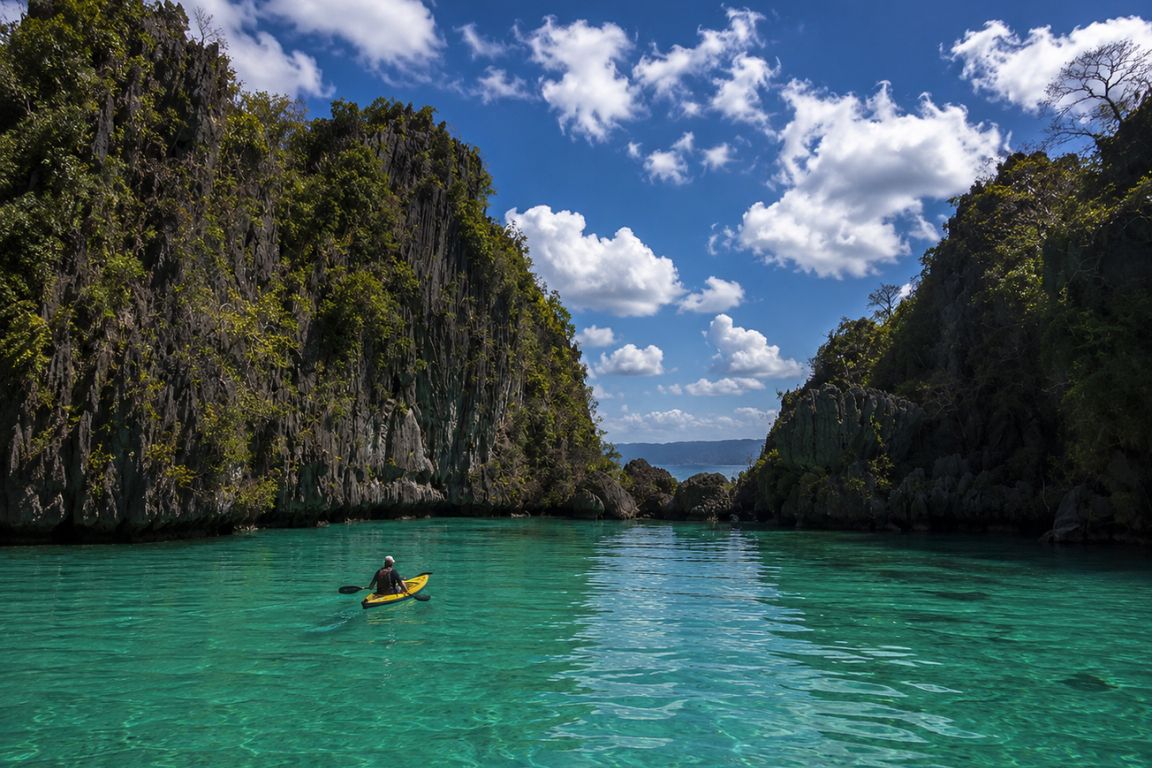
The Bacuit Archipelago is the whole case: more than 50 islands and islets ringed by limestone cliffs that drop straight into turquoise water. Kayaking into the Big Lagoon, swimming through a gap into a hidden lagoon, and snorkelling clear reefs between beaches is the kind of day that holds up to the hype.

The set-pieces are genuinely special. The Big Lagoon glows a pale green under sheer walls, the Secret Lagoon hides behind a crack in the rock, and the snorkelling between stops is bright with reef fish, with the odd turtle for the lucky. On land, the long twin beach at Nacpan and the sunset side at Corong Corong round out the picture without a boat, so even a bad-weather day still has something to offer. Most first-timers find that two island-hopping days and one land day is the sweet spot, enough to see the headline lagoons without every day looking the same. If you want to understand the flagship sight before you go, kayaking the Big and Small Lagoons explains what makes it worth the paddle, and the four classic island-hopping routes lay out how the days are built.
What Are The Downsides Of Visiting El Nido?
The honest trade-offs are crowds, cost, and logistics. Popular lagoons get busy midday when several boats arrive together; fees add up and the ATMs in town are unreliable; and getting there means a flight plus a transfer. None of these ruin the trip, but they surprise people who expected an empty paradise.

The town has grown fast, too, so parts of it feel built-up and a little chaotic rather than sleepy and remote. Then there is the weather. From June to October the southwest monsoon brings more rain and rougher seas, and the Coast Guard can delay or cancel boat tours at short notice for safety. That is worth planning around, since a cancelled tour day is the fastest way to feel short-changed. Timing your trip to the best time to visit El Nido tilts the odds heavily in your favour.
| Worth it for | Be ready for |
|---|---|
| Dramatic lagoons and limestone karst scenery | Busy stops around midday |
| Island hopping and lagoon kayaking | Cash-only fees and patchy ATMs |
| Clear-water snorkelling and diving | A long journey to reach town |
| Long land beaches like Nacpan | Rough seas and cancellations in monsoon months |
Who Might Not Enjoy El Nido?
El Nido may disappoint travellers who want a polished resort strip, walk-to-the-beach nightlife, or a luxury bubble. The town is casual and a little rough around the edges, the best beaches need a boat, and people prone to seasickness feel the choppier days. If a beach holiday means poolside comfort, another spot may fit better.

If that description gives you pause, it is worth weighing a livelier, more resort-driven alternative; El Nido compared with Boracay lays out that exact trade-off. And if you know you get seasick, pick calm dry-season dates and take tablets before you board, because much of El Nido's magic happens an hour or more out on the water, well beyond a quick swim from shore.
How Can You Make El Nido Worth It?
Give your preferred boat itinerary a full day, and keep flexible time for transport and weather changes. Check the actual travel date and cancellation terms before arranging the rest of your stay.

Choose the boat itinerary that matters most to you and check its actual date before arranging the rest of the trip. Local charges and expenses can still require cash after paying for a tour online.
El Nido is worth it if you meet it halfway: expect a real journey and a few crowds, and the archipelago pays you back with a day on the water you will not forget. Line up that first boat and let the lagoons make the argument themselves.