What Is El Nido Known For?
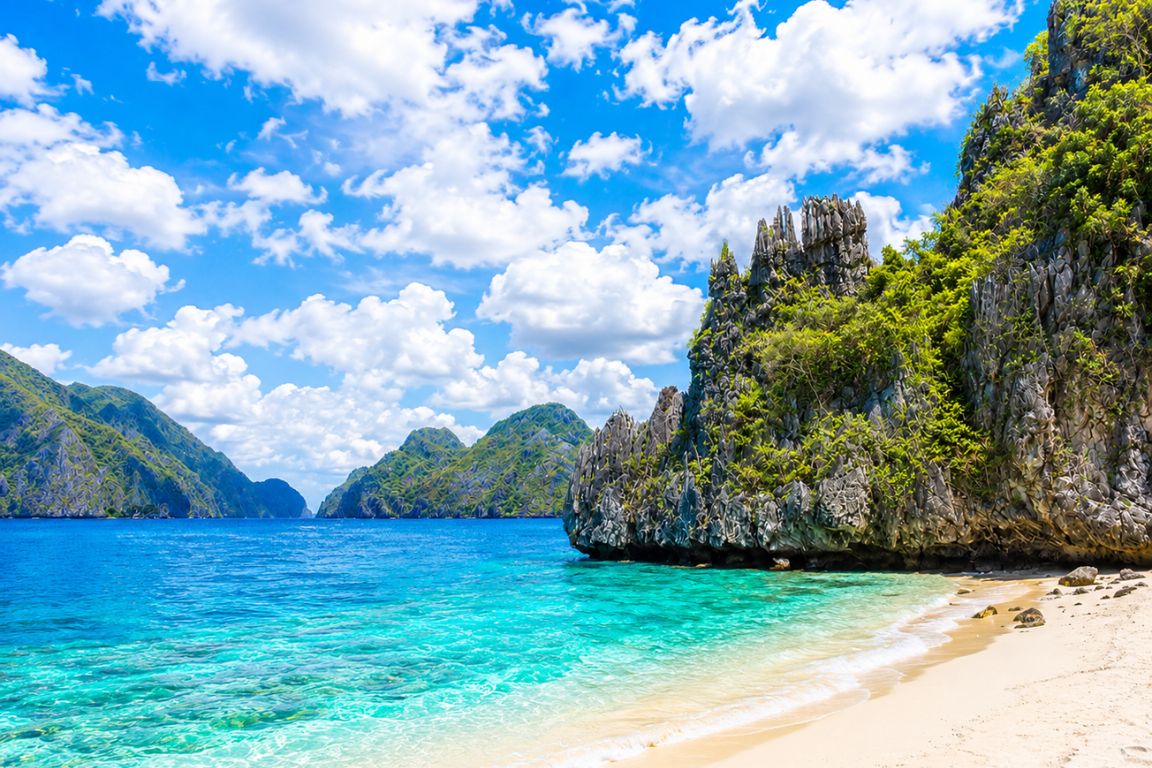
The Bacuit Archipelago made El Nido famous, but its name carries karst cliffs, hidden lagoons, long beaches, and standout sunsets too.
Keep the practical advice below as your starting point. For an arranged day on the water, Tour A brings the boat, guide and lunch together. Compare Your El Nido Options Below.
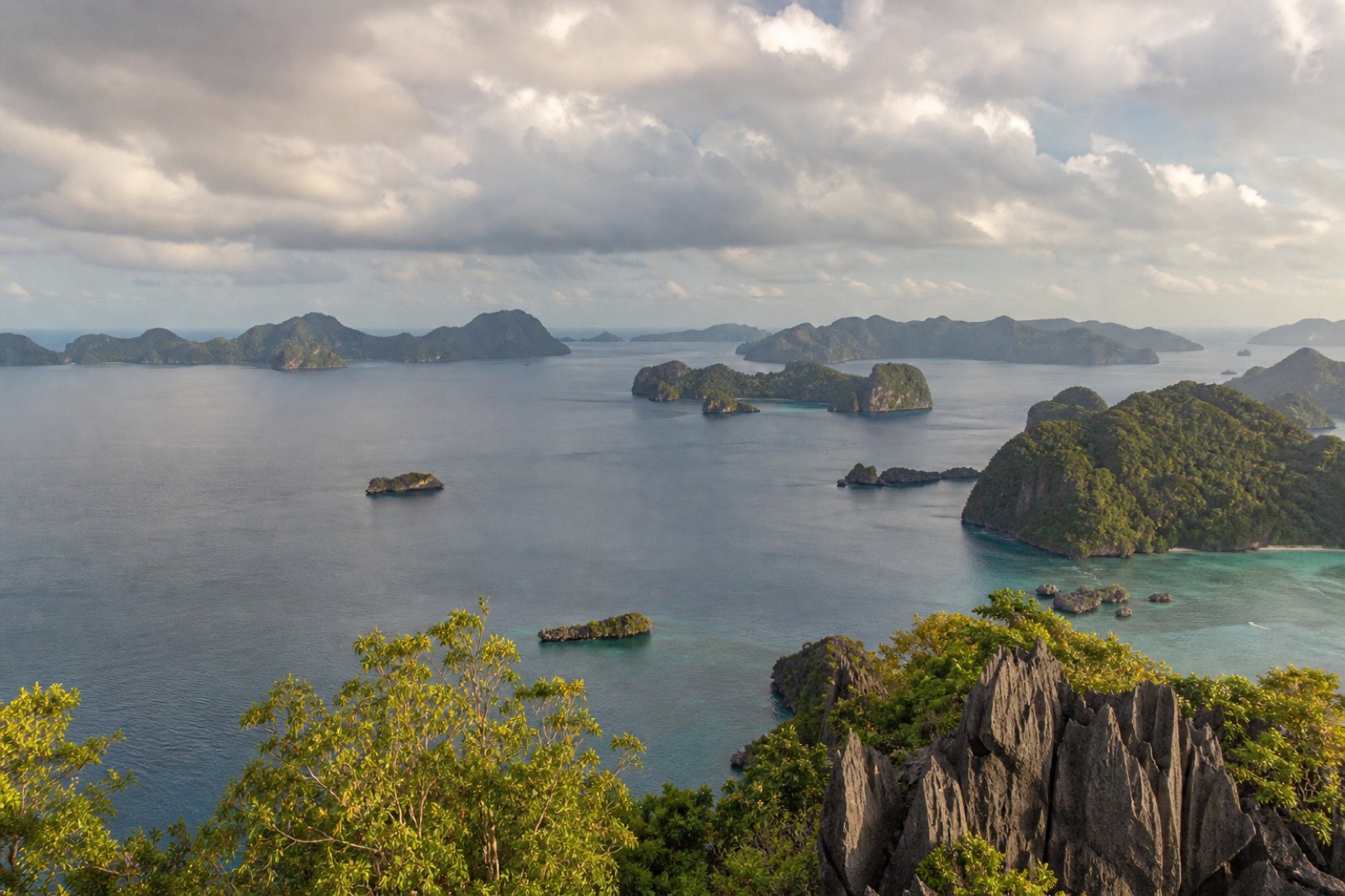
Ask anyone who has been, and the answer lands in the same place: the islands. El Nido is known for the Bacuit Archipelago, a cluster of limestone islands and hidden lagoons off the northern tip of Palawan that turned it into one of the Philippines' signature beach destinations. Beyond the boat tours, its name also carries towering karst cliffs, a famous cliff climb, long empty beaches, and some of the best sunsets in the country.
- Choose lagoon scenery, hidden beaches or land beach stops.
- Tour A covers Big Lagoon; Tour C focuses on a different island route.
- The adult Nacpan outing covers land beaches, not diving or the Coron crossing.
What Is El Nido Known For?
El Nido is best known for island hopping in the Bacuit Archipelago: more than 50 islands and islets wrapped in limestone karst, with lagoons you enter by kayak and beaches reached only by boat. It is also known for Taraw Cliff behind town, Nacpan Beach, clear-water snorkelling and diving, and its sunsets.
| Known for | What it is |
|---|---|
| Bacuit Archipelago | 50-plus islands and islets off El Nido, the island-hopping playground |
| Big Lagoon | A wide, cliff-walled lagoon entered by kayak, the signature sight |
| Limestone karst cliffs | Sheer walls up to around 300 m dropping into turquoise water |
| Taraw Cliff | A jagged peak behind town, climbed on a guided fixed-cable route |
| Nacpan Beach | A long twin beach around 20 km north, reached by land |
| Sunsets | Corong Corong and Las Cabanas on the western, sunset side |
What Is The Bacuit Archipelago?
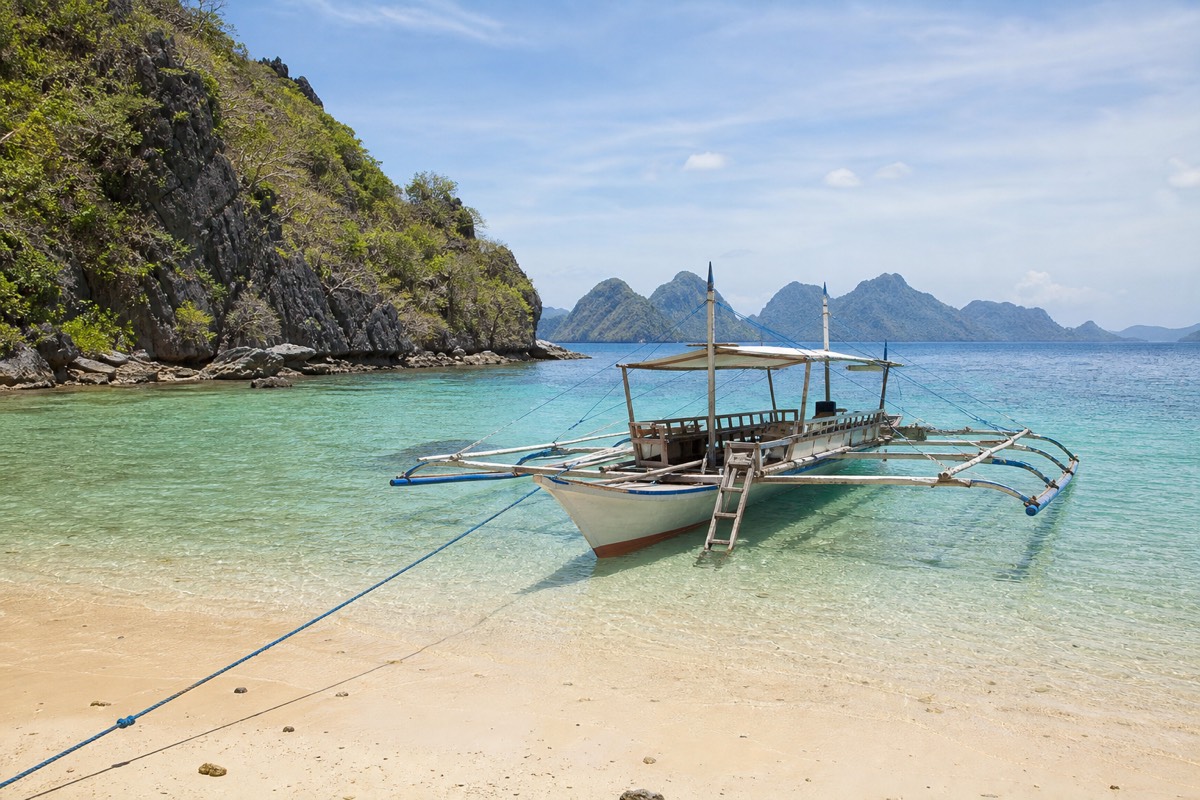
The Bacuit Archipelago is the group of more than 50 limestone islands and islets in Bacuit Bay, directly off El Nido town. Sheer karst cliffs, hidden lagoons, coral reefs, and small beaches are packed close together, which is why a single day's boat tour can string five or six standout stops in a row.
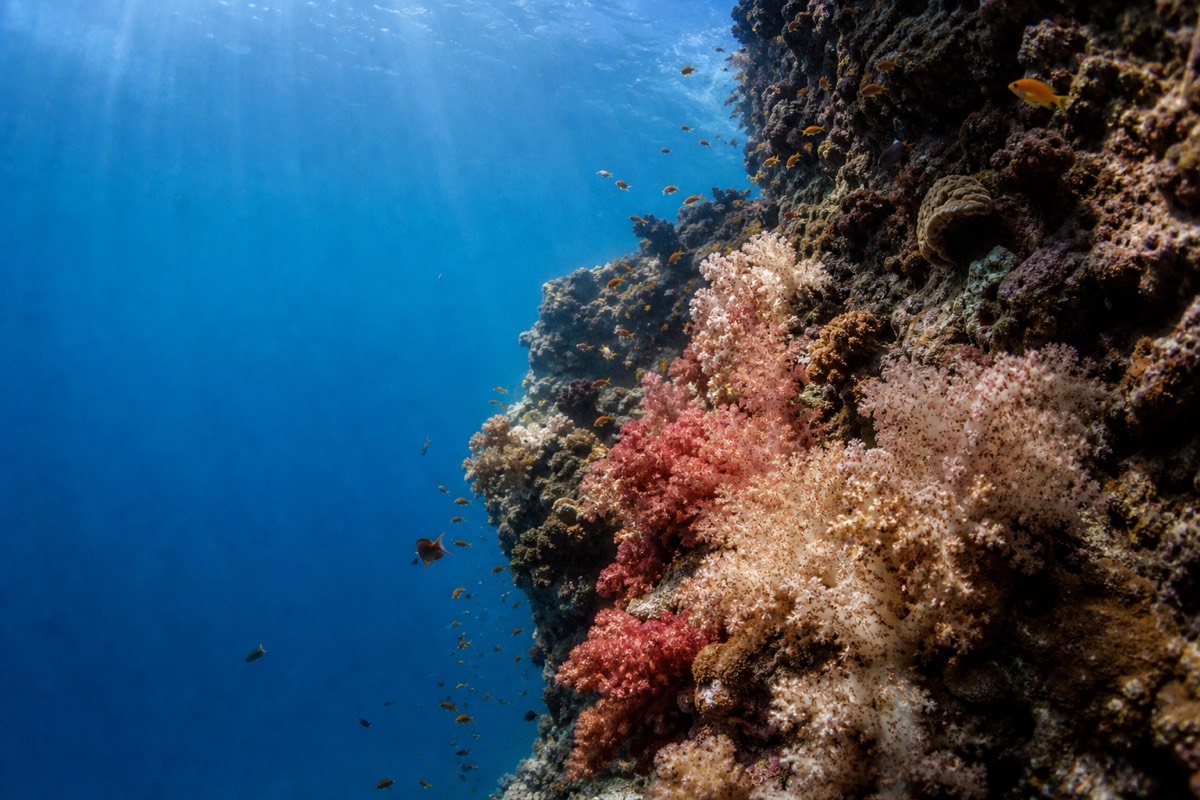
That density is the whole reason island hopping works so well here. Instead of long crossings between sights, you drift from a lagoon to a snorkelling reef to a lunch beach within the same bay, all aboard a traditional wooden bangka outrigger. The classic day trips are organised into four lettered routes, laid out in our guide to the four classic island-hopping routes.
Why Is The Big Lagoon So Famous?
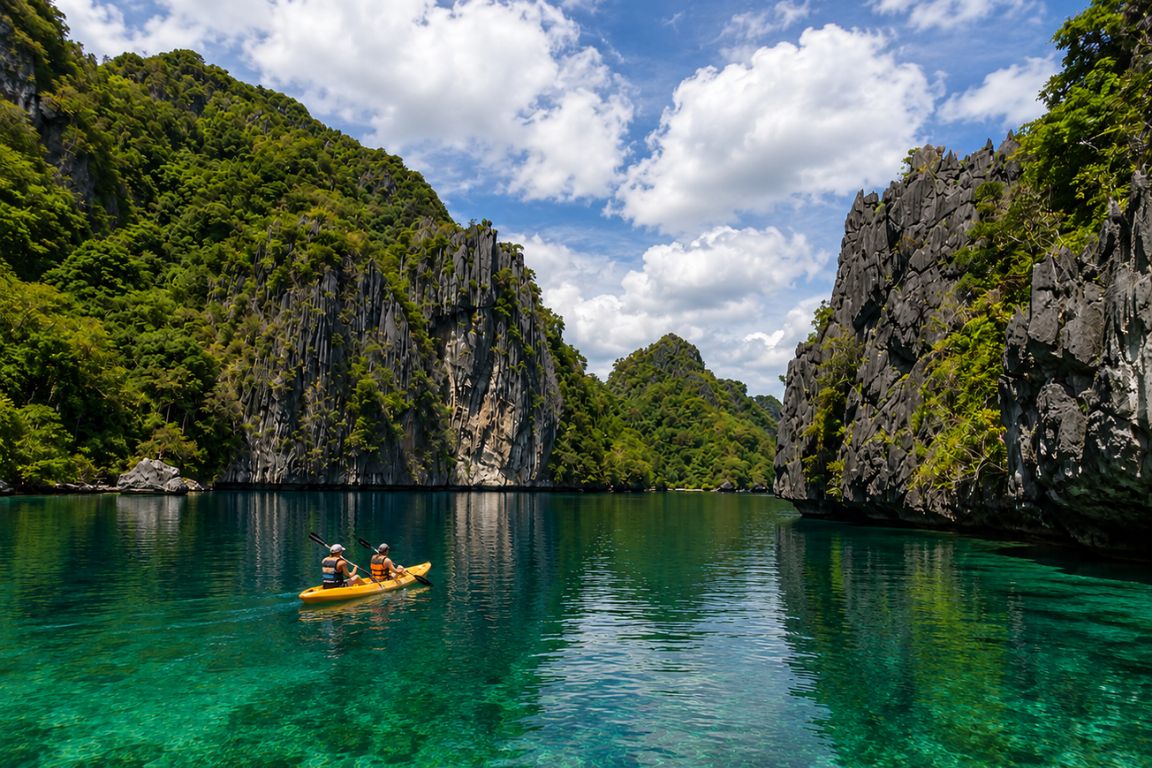
Big Lagoon is El Nido's postcard: a broad channel of shallow, glowing water walled in by limestone cliffs, entered by kayak or by swimming through a narrow gap. Paddling in as the walls rise overhead is the exact image most people picture when they think of El Nido, and it anchors the most popular tour.
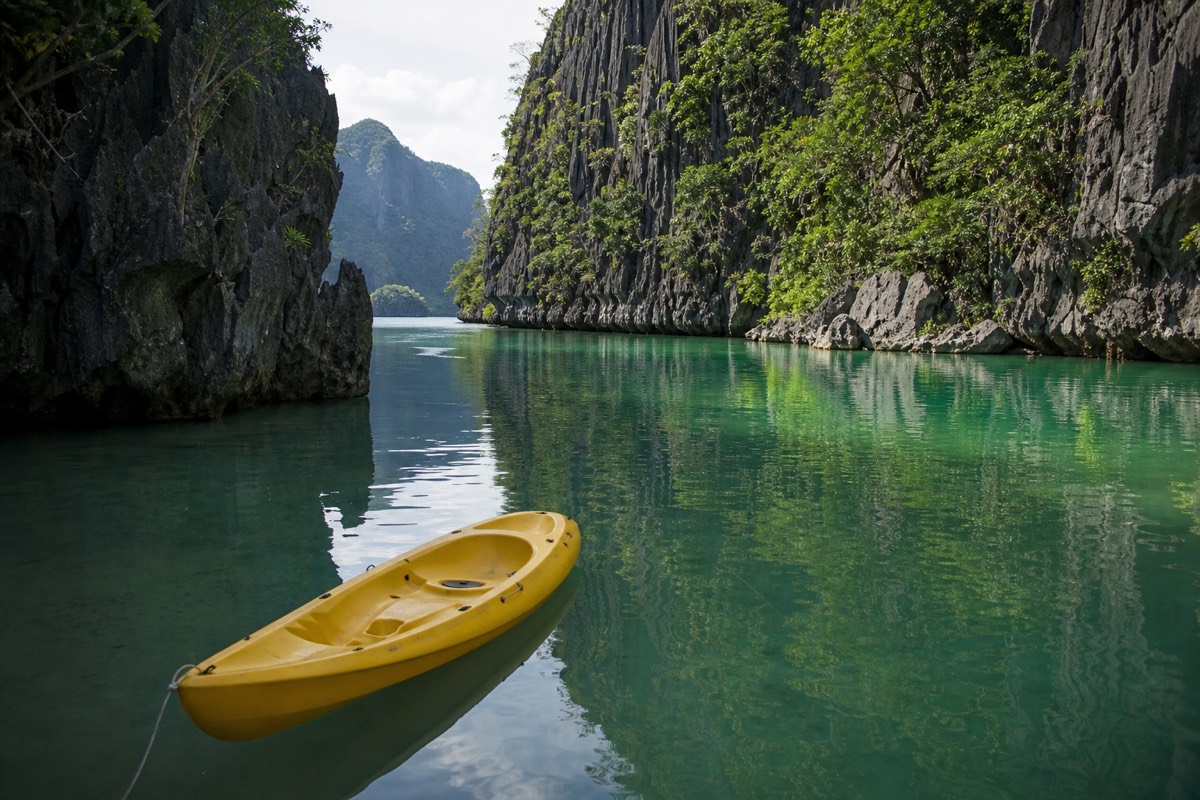
The Small Lagoon and Secret Lagoon sit nearby, each reached through its own tight opening in the rock, so the area rewards a slow morning by kayak. You pay a small users' fee and a kayak rental on the day, and the reward is the single most photographed scene in the archipelago. Our detailed look at the Big and Small Lagoons covers how to see them without the midday crush.
What Are The Limestone Karst Cliffs And Taraw Cliff?
The limestone karst is the dramatic backbone of El Nido: jagged grey cliffs rising up to around 300 metres straight out of the sea, the same rock that forms the lagoons and caves. Taraw Cliff is the peak looming directly behind town, climbed on a guided fixed-cable route for a sweeping panorama over Bacuit Bay.
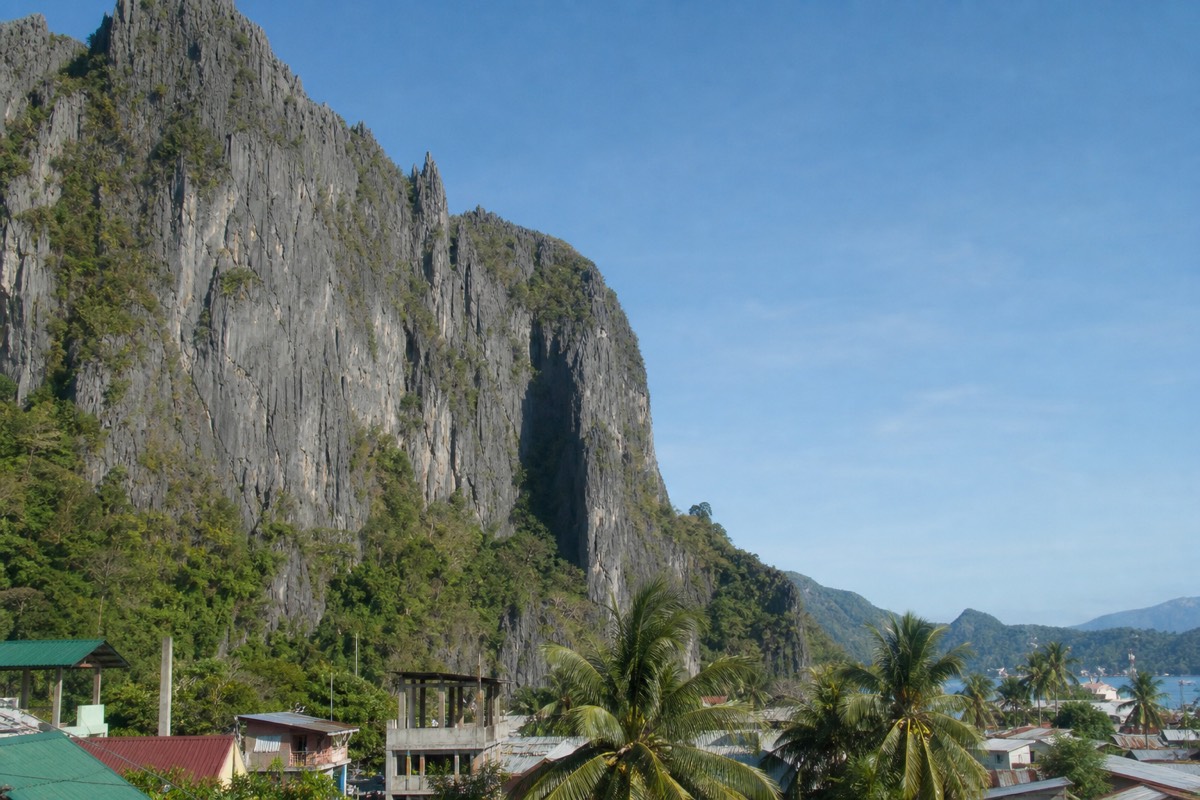
That karst is what sets El Nido apart from a plain sandy beach town; it shapes the caves on Tour B and the walls of every lagoon. The Taraw climb is the way to see it from above rather than from the water, and it is a genuine adventure rather than a gentle stroll. If the view is calling, our guide to climbing Taraw Cliff explains what the route involves.
What Beaches Is El Nido Known For?
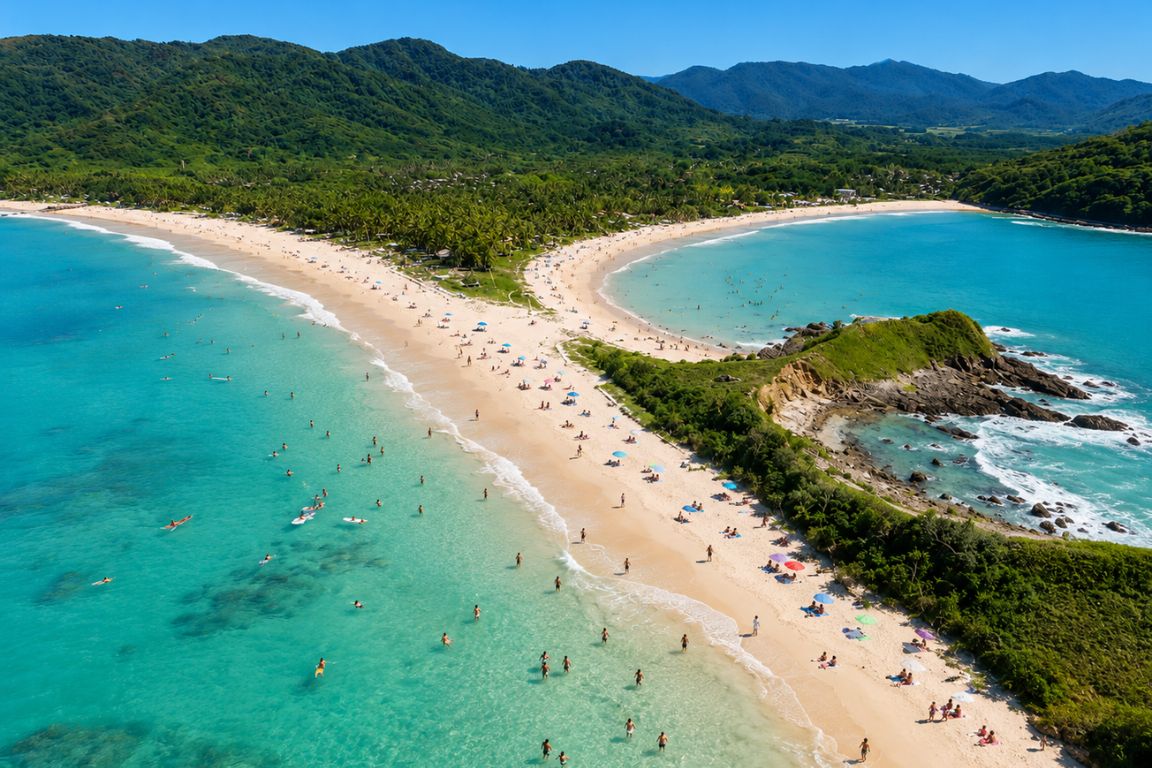
Beyond the boat-only coves, El Nido is known for Nacpan, a long twin beach about 20 km north reached by land, and for the sunset beaches just south of town, Las Cabanas and Corong Corong. Seven Commandos and Paradise Beach rank among the famous stops on the island-hopping routes themselves.
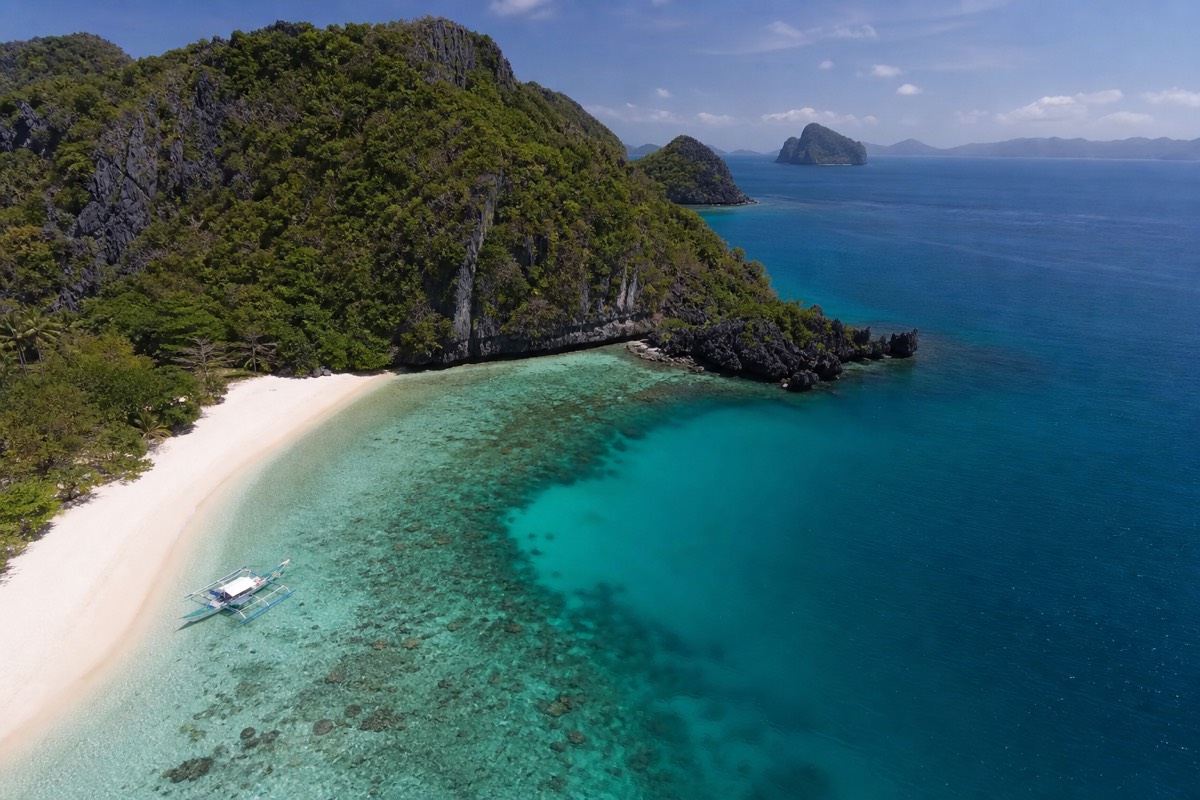
The mix is the point. You get dramatic, hard-to-reach coves on the tours and easy, walkable sand on land, so a good trip usually pairs both. The long sands of Nacpan Beach are the standout for a car-free day off the boat, and the west-facing beaches deliver the sunsets El Nido is quietly famous for, with Corong Corong the classic spot to watch the sky go orange.
What Else Is El Nido Known For?
El Nido is also known for snorkelling and diving in clear archipelago reefs, its mellow small-town nightlife strip, and as the launch point for the Coron-To-El-Nido Expedition boat to Coron. Turtles, reef fish, and occasional reef sharks draw divers, and the calm dry-season water is when it all looks its best.
The town itself is compact and social without being a party island, a short strip of bars and restaurants that suits a tired post-boat evening. It is also the southern anchor of one of the region's great slow journeys; the multi-day expedition route in the trip up to Coron camps on remote beaches along the way. However you spend your days, the surest way to see the Bacuit Archipelago is still a day on the water, and El Nido Tours can set you up with the route that fits your trip.
El Nido earned its name on the water, one lagoon and limestone wall at a time. The archipelago that made it famous is still the reason to come, and the surest way to understand the fuss is to spend a day out among the islands.